Could this be the modular battery upgrade we’ve been waiting for when we need serious, long-lasting portable power?

Product Overview
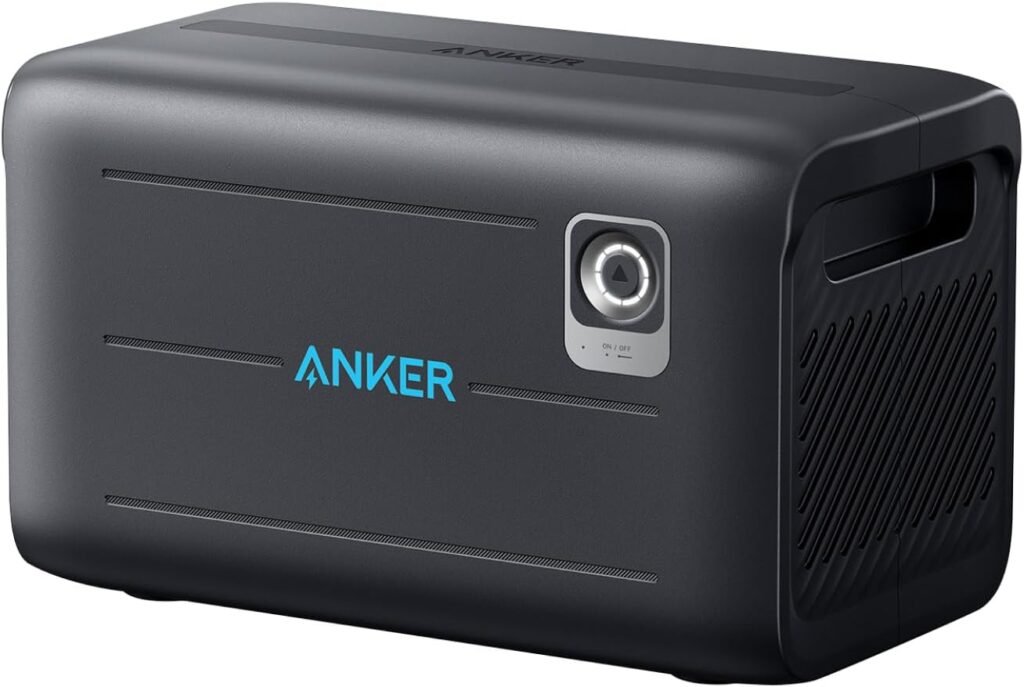
We’ll summarize what the Anker Powerhouse 760 Portable Power Station Expansion Battery (2048Wh), 6× Longer Lifespan LiFePO4 Batteries, 2048Wh Extra Battery for Anker SOLIX F2000 brings to the table. This expansion pack is designed to extend the capacity of compatible Anker hosts, and it emphasizes longevity, safety, and durability for demanding use.
We’ll break the key specs down in a quick table so we can see the main numbers at a glance and return to them during the review.
| Specification | Detail |
|---|---|
| Product name | Anker Powerhouse 760 Portable Power Station Expansion Battery (2048Wh) |
| Capacity | 2048Wh (nominal) |
| Chemistry | LiFePO4 (LFP) with InfiniPower™ long-life tech |
| Compatible hosts | Anker PowerHouse 767 (2048Wh) and Anker SOLIX F2000 (compatibility mentioned in product name) |
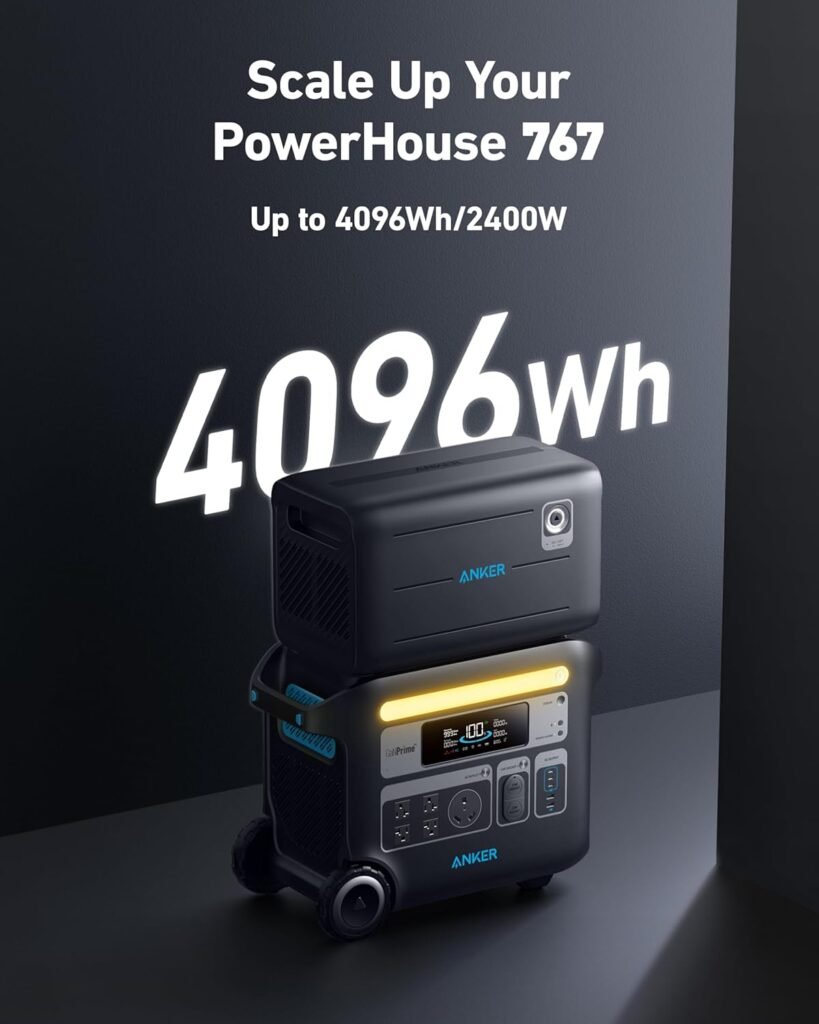
| Combined capacity (with PowerHouse 767) | 4096Wh |
| Lifespan claim | 10-year usable lifespan (with InfiniPower™ + LiFePO4) |
| Warranty | 5-year full-device warranty |
| Durability | Drop-proof unibody design, 3-point protective clasp |
| Thermal management | Smart temperature control, ventilation grille |
| Electronics lifespan | Components rated up to 50,000 hours |
| What’s included | Expansion Battery, user manual, battery-to-host cable, 5-year warranty |
What the box contains
We’ll usually get the expansion battery itself, a battery-to-host cable, and a user manual as standard. That cable is essential because this module is meant to pair directly with a host unit, and Anker includes it so we don’t need to hunt down proprietary connectors.
We’ll also note that the 5-year warranty and access to Anker’s customer service are part of the package, which gives reassurance especially for large batteries intended for long-term installations.
Design and Build Quality
We’ll discuss how the expansion battery feels and how it’s built to withstand regular handling, transport, and use. The unit leans heavily into durability and conservative engineering choices.
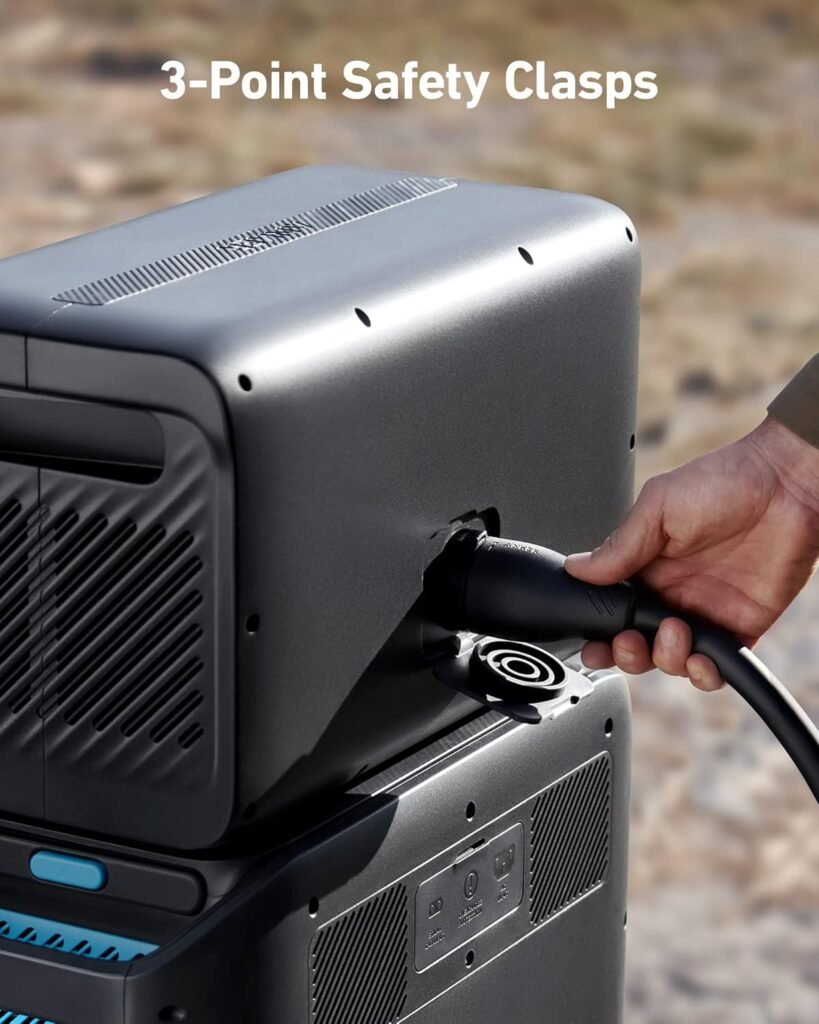
We’ll point out a few standout construction choices like the drop-proof unibody and the 3-point protective clasp, both intended to protect the cell pack and maintain electrical integrity during transport and connection.
Unibody and Durability Features
We’ll highlight the unibody design which minimizes seams and potential weak points, making the expansion battery more impact-resistant than multi-piece housings. Anker’s choice to integrate structural components into a single body helps the unit sustain knocks and bumps that happen during camping, moving, or transport.
We’ll also emphasize the 3-point protective clasp which prevents the battery from slipping or opening while connected or during charging. This hardware-level safety reduces the chance of accidental disconnection or current leakage during operation.
Size, Weight, and Portability
We’ll note that at 2048Wh capacity and with LiFePO4 chemistry, this expansion module is comparatively heavy, but that weight is expected for its energy density and robust build. It’s not meant to be pocket-portable; rather, we see it as a semi-permanent or vehicle-mounted companion for bigger power stations.
We’ll remind ourselves that portability here is about practical transport and setup: it’s manageable for two people to move and install, and the unibody casing and protective design make it easier for field use than many fragile modules.

Battery Technology and Lifespan
We’ll focus on what makes the pack last and how Anker’s InfiniPower™ and LiFePO4 chemistry combine to extend usable life. This is one of the central selling points of the product.
We’ll explain that LiFePO4 (LFP) batteries are known for more cycles and increased thermal stability compared with typical NMC lithium-ion packs, and Anker’s InfiniPower™ appears to wrap long-life algorithms and component choices around the chemistry.
LiFePO4 and InfiniPower™
We’ll unpack the chemistry briefly: LiFePO4 trades slightly lower energy density for much greater cycle life, better thermal stability, and safer failure modes. With InfiniPower™’s software and hardware optimizations, Anker claims a 10-year usable life under everyday use.
We’ll add that the combination of LiFePO4 and long-life-focused electronics means we should expect significantly more cycles (often several thousand) before reaching the usual end-of-life thresholds that require replacement in other chemistries.
Thermal Management and Safety Systems
We’ll point out that thermal control is a major part of long life. The expansion battery uses a smart temperature control system that monitors temperatures up to 100 times per second, and it includes a ventilation grille to aid heat dissipation.
We’ll observe that active monitoring plus robust passive cooling helps avoid the thermal stress cycles that reduce battery longevity, and that the electronics themselves are rated for about 50,000 operating hours for extra reliability.
Performance and Capacity
We’ll examine how the stated 2048Wh capacity translates into device runtimes and practical use scenarios. We’ll be realistic and include inverter and conversion losses in our estimates.
We’ll use conservative numbers for expected usable energy after conversion losses, and then show how different devices might run off this battery through AC or DC outputs.
How Much Power Does 2048Wh Provide?
We’ll clarify that 2048Wh is the nominal capacity; real-world usable energy depends on inverter efficiency and whether devices run from DC or AC. Assuming inverter and conversion losses, we’ll conservatively estimate usable AC energy around 1,700–1,850Wh for many appliances when drawing from the host inverter.
We’ll present a table of estimated runtimes for common devices to help set expectations. These are approximate and depend on device power draw, efficiency, and usage patterns.
| Device | Typical power draw | Estimated runtime from 2048Wh expansion (conservative AC-use) | Notes |
|---|---|---|---|
| Smartphone (charging, 10W) | 10 W | ~150–180 hours | Many full charges; very long runtime for small electronics. |
| Laptop (normal use, 60W) | 60 W | ~25–30 hours | Multiple days of light work when used intermittently. |
| LED lights (10W total) | 10 W | ~150–180 hours | Great for indoor lighting during outages or camping. |
| Mini fridge (40–60W average) | 50 W | ~30–35 hours | Depends on compressor cycles, ambient temp. |
| CPAP machine (60–90W) | 75 W | ~20–24 hours | Typically one night or multiple nights depending on settings. |
| Electric kettle (1,200–1,500W) | 1,500 W | ~1–1.2 hours (cumulative) | High-draw devices consume capacity quickly; intermittent use recommended. |
| Microwave (1,000W) | 1,000 W | ~1.7–2 hours (cumulative) | Short cooking tasks only; not meant for continuous high-power use. |
| Power drill (600–1,200W peak) | 900 W | ~1.8–2 hours (continuous-equivalent) | Power tools are possible but drain capacity quickly. |
We’ll stress that high-power appliances will draw down capacity fast and are best used sparingly or paired with larger combined capacities (for example, when this expansion battery is attached to a host for 4096Wh total).
Pairing With PowerHouse 767 to Reach 4096Wh
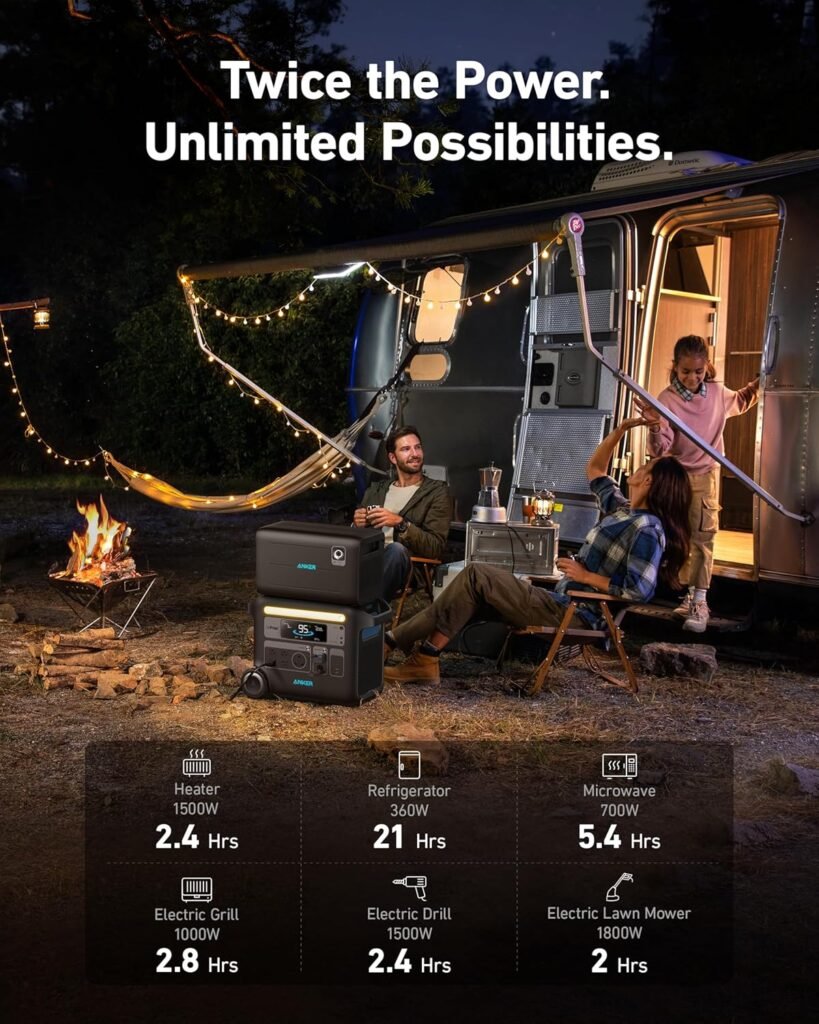
We’ll explain that attaching this 2048Wh expansion battery to an Anker PowerHouse 767 (another 2048Wh pack) doubles the available capacity to 4096Wh. That kind of capacity moves from “portable backup” to “multi-day home backup” territory for many households.
We’ll note that doubling capacity is especially valuable for extended outages, off-grid stays, or running heavier loads like mini-fridges, medical devices, and intermittent kitchen use without draining the system in a few hours.
Charging, Inputs, and Compatibility
We’ll outline how the expansion battery is charged, the input options, and which hosts it integrates with. Charging infrastructure and compatibility matter more with expansion packs than with all-in-one stations.
We’ll clarify that this expansion battery is intended to work with Anker hosts (such as the PowerHouse 767 and compatibility with Anker SOLIX F2000 indicated in the product name), and charging routes will often depend on the main unit’s options.
Charging Times and Options
We’ll indicate that charging time depends on the host’s input charging capacity and the exact configuration. Because this module is primarily an add-on rather than a self-contained station, we’ll typically charge it in tandem with the host using the host’s AC/DC/solar input options.
We’ll recommend using high-power AC or solar inputs on the host to reduce total recharge time. If we pair for a large system and use fast AC charging with a capable inverter/charger, full recharge times can be reasonable, but solar-only charging will depend on panel wattage and sun hours.
Compatibility With Anker SOLIX F2000 and Other Hosts
We’ll highlight the product name’s compatibility claim with Anker SOLIX F2000 and confirm that it is designed for a modular Anker ecosystem. If we plan to use it with other Anker hosts like the PowerHouse 767, the connection cable and communication protocols are made to work seamlessly, allowing the host to manage the expansion capacity.
We’ll advise verifying host firmware and compatibility lists before purchase in mixed ecosystems and checking that the host supports stacking or external modules.
Safety Features
We’ll walk through the safety-oriented design elements that Anker emphasizes, since safety is particularly important with large energy storage systems.
We’ll stress that the LiFePO4 chemistry is inherently more thermally stable than some other lithium chemistries, and Anker adds multiple layers of hardware and software safety to minimize risk.
Hardware Protections and Monitoring
We’ll describe the 3-point protective clasp which reduces the possibility of accidental current leakage at the physical interface, and the drop-proof unibody that reduces the chance of mechanical damage to cells.
We’ll add that electronic protections include overcurrent, overvoltage, and temperature monitoring, and that rated electronic component lifespans (50,000 hours) reflect a design that prioritizes stable operation over cost-cutting.
Thermal and Electrical Safety
We’ll reiterate the smart temperature control that monitors up to 100 times per second, coupled with a ventilation grille to improve heat dissipation. These systems work together to avoid thermal runaway conditions and to regulate charge/discharge behavior.
We’ll also point out that Anker’s warranty and customer service availability back up the safety claims by offering recourse in the event of a manufacturing issue.
Real-World Testing and Use Cases
We’ll simulate realistic scenarios so we can appreciate how the expansion battery performs in everyday and emergency settings. We’ll cover home backup, RV life, camping, and professional fieldwork.
We’ll emphasize practical runtime numbers again and describe how pairing the expansion with a host changes the experience.
Home Backup for Short- to Medium-Length Outages
We’ll say that as a standalone 2048Wh expansion module paired with a compatible host, we expect to support critical circuits — routers, lights, phone charging, and a small fridge — for one or a few days depending on household consumption. With the full 4096Wh stack, we can cover more devices and extend time significantly.
We’ll note we should prioritize essential loads and consider behavior changes (e.g., limiting heater use) to stretch runtime during prolonged outages.
RV and Overland Use
We’ll explain that for RVers and overlanders, the expansion battery provides a robust reserve for refrigeration, lights, pumps, and entertainment systems. The rugged design and thermal monitoring make it suitable for mobile environments, and the long lifespan means fewer replacements over years of travel.
We’ll recommend securing the unit with the supplied clasps or mounts and balancing weight distribution in the vehicle.
Camping and Off-Grid Stays
We’ll point out that while heavy, the module is ideal for car-camping or extended basecamp stays where vehicle transport is available. With solar on the host, we can recharge across sunny days to sustain multi-day trips without noisy generators.
We’ll suggest pairing with a good solar array and charge controller for a low-noise, low-maintenance off-grid experience.
Professional and Event Use
We’ll say the module suits professional use cases like field production, outdoor events, or temporary work sites where reliable power for lights, cameras, and communications is necessary. The extended lifespan also reduces total cost of ownership for businesses that rely on dependable energy storage.
We’ll stress that pairing expansion modules and hosts yields flexibility: scale capacity to match job needs without buying a single oversized station.
Setup and Operation
We’ll provide step-by-step guidance for getting the expansion battery connected and running, and highlight common pitfalls to avoid.
We’ll remind users to read the manual and follow safety checks during installation for safe operation.
Basic Setup Steps
We’ll outline the typical setup flow:
- Place the expansion battery on a flat, ventilated surface and secure it if needed.
- Connect the supplied battery-to-host cable between the expansion battery and the host’s designated expansion port.
- Power on the host, verify the host recognizes the expansion pack, and check the combined capacity or status display.
- Configure any charge/discharge settings on the host if available and begin use.
We’ll advise doing an initial full charge cycle when first setting up to balance cells and calibrate state-of-charge reporting.
Operational Tips
We’ll recommend keeping firmware updated on the host for best communication and safety features, and we’ll suggest avoiding continuous maximum-power draws to preserve long-term battery health. We’ll also encourage storing the battery at partial charge for long-term storage rather than 100% or 0%.
We’ll point out that if the host and expansion module indicate any fault codes, we should consult the manual and contact customer support before continuing heavy use.
Maintenance and Long-Term Ownership
We’ll describe practical maintenance habits that preserve lifespan and performance over the claimed 10-year life. Long-life systems still need reasonable care.
We’ll emphasize that regular use, proper charging, and avoiding extreme temperatures will help realize the longevity benefits claimed.
Storage, Cycle Habits, and Temperature Management
We’ll say that LiFePO4 prefers moderate temperatures and that long-term storage around 40–60% state-of-charge is often ideal. We’ll advise against storing at full charge in hot environments or leaving the unit discharged for extended periods.
We’ll add that occasional cycling — using and then recharging the battery — keeps cells in good condition compared with never using the pack for months.
Warranty and Service
We’ll remind readers that Anker includes a 5-year full-device warranty, which is well above the industry average and simplifies long-term ownership concerns. We’ll encourage registering products and keeping purchase info handy in case of service needs.
We’ll also suggest contacting Anker support if any persistent performance issues show up, given the long warranty window.
Pros and Cons
We’ll list the main strengths and trade-offs to help decide whether this expansion battery matches our needs.
Pros:
- Long lifespan claim (10 years) backed by LiFePO4 and InfiniPower™ engineering.
- Large 2048Wh capacity per module allows substantial energy scaling when paired.
- Robust physical design: drop-proof unibody and 3-point clasp provide security and durability.
- Comprehensive thermal monitoring and long-life electronics (50,000 hours).
- 5-year full-device warranty gives strong peace of mind.
Cons:
- Heavy and less convenient for backpack-style portability; best when vehicle-transported or semi-stationary.
- Charging times depend on host inputs and available solar or AC charging; alone it’s not a self-contained charger.
- High-draw continuous loads will consume capacity quickly; it’s best for prioritized loads.
- Upfront cost is higher than small portable batteries given the capacity and long-life components.
How It Compares to Alternatives
We’ll position this expansion battery relative to general market alternatives: typical lithium-ion expansion packs and all-in-one portable power stations.
We’ll argue that the big differentiator is the LiFePO4 chemistry combined with InfiniPower™ longevity focus. While other solutions may offer slightly higher energy density or lower upfront cost, they often trade lifespan and thermal robustness for those benefits.
Quick Comparison Table
| Attribute | Anker 2048Wh Expansion (This Product) | Typical Lithium-ion Expansion | All-in-one Smaller Stations |
|---|---|---|---|
| Chemistry | LiFePO4 (LFP) | NMC/NCA variants | NMC/NCA common |
| Lifespan | ~10-year design life (InfiniPower™) | 3–5 years typical | Varies, often shorter |
| Robustness | Drop-proof unibody, 3-point clasp | Varies, often less rugged | Portable but less durable |
| Scalability | Designed to stack with Anker hosts | Vendor-dependent | Less modular |
| Weight | Heavier (for durability and LFP cells) | Often lighter per Wh | Lightweight but lower capacity |
| Warranty | 5-year full-device | Often 1–2 years | 1–3 years typical |
We’ll conclude that for users prioritizing durability, longevity, and modular scalability, this Anker expansion battery is compelling. For those requiring ultra-lightweight or lowest initial price, other options might fit short-term needs better.
Who Should Buy This
We’ll list the user profiles most likely to benefit from this product: homeowners seeking reliable backup, RVers and overlanders needing reliable reserve power, small businesses requiring portable power for events, and anyone who values long-term value and fewer replacements.
We’ll say that if we want a power solution intended to last a decade with heavy daily use and we’re willing to accept the weight and cost, this product is a sensible investment.
Frequently Asked Questions
We’ll answer common questions we anticipate for potential buyers, keeping explanations practical and action-oriented.
Q: Can the expansion battery run devices on its own without a host?
A: This expansion module is designed as a partner to compatible host power stations. It lacks standalone inverter/AC outlets and relies on the host to provide AC/DC output and charging interface.
Q: How do we combine this with a host to get 4096Wh?
A: Connect the included battery-to-host cable between the expansion and a compatible host like the Anker PowerHouse 767. The host should automatically recognize and manage the expanded capacity, showing combined state-of-charge and allowing discharge.
Q: What about using solar to recharge the expansion battery?
A: Solar charging typically routes through the host’s charge controller inputs. We recommend using a host with adequate solar input capacity and matching solar wattage to achieve reasonable recharge times.
Q: Is LiFePO4 safe for indoor use?
A: LiFePO4 is one of the safer lithium chemistries due to thermal stability. Anker’s additional protections and ventilation design make indoor use acceptable when following the manual (ventilated space, not enclosed tightly, ambient temperature limits observed).
Q: How much does the warranty cover?
A: Anker provides a 5-year full-device warranty which covers defects and failures under normal use. We’ll keep proof of purchase and register the device if required for support.
Final Verdict
We’ll summarize our assessment: the Anker Powerhouse 760 Portable Power Station Expansion Battery (2048Wh) is a thoughtfully engineered modular energy pack that prioritizes long life, safety, and scalability. Its LiFePO4 chemistry plus InfiniPower™ controls aim to reduce long-term ownership costs and replacement frequency, and the rugged build makes it suitable for mobile or semi-permanent deployments.
We’ll recommend it for anyone who needs large, reliable, and durable expandable capacity and who plans to use the system regularly over years rather than buying the cheapest temporary solution. The trade-offs are weight and initial cost, but the long-term benefits in lifespan and reduced replacement frequency are strong arguments in favor.
We’ll finish by saying that if we want a battery that’s built to be a dependable part of our power setup for many years, this Anker expansion module deserves serious consideration.
Disclosure: As an Amazon Associate, I earn from qualifying purchases.