Disclosure: As an Amazon Associate, I earn from qualifying purchases.
Have we ever stood in the middle of a beautiful, remote spot and thought, “If only we could plug in right now”?
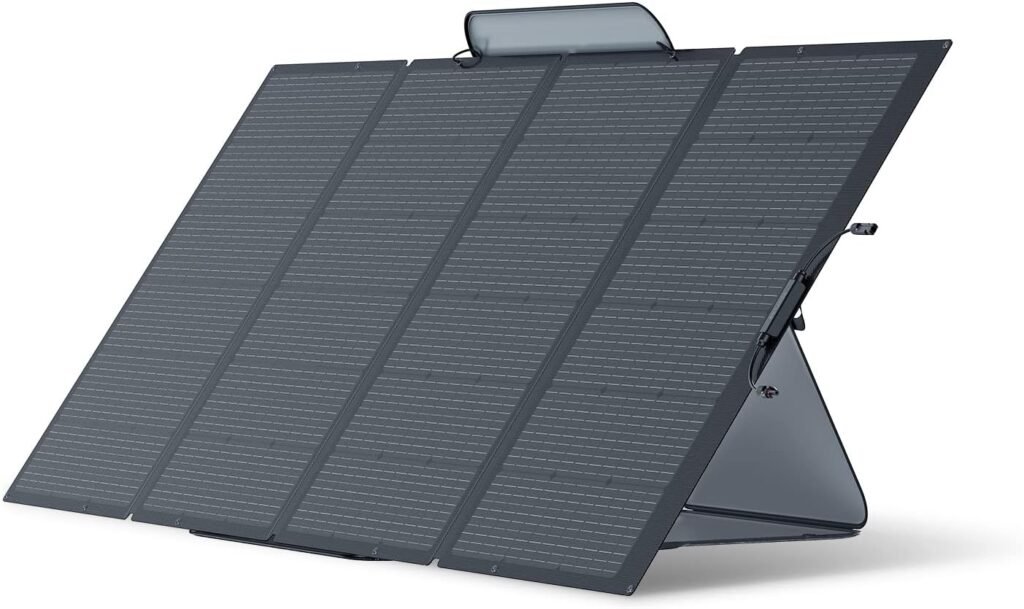

Why We Were Drawn to the EF ECOFLOW 400W Portable Solar Panel
When we first looked at the EF ECOFLOW 400W Portable Solar Panel, Foldable & Durable, Complete with an Adjustable Kickstand Case, Waterproof IP68 for Outdoor Adventures, we were looking for a serious power solution that still felt manageable to carry and set up. We wanted something we could rely on off-grid, in changing weather, and for more than just charging a phone.
This panel stands out because it promises a rare combination: high power (400W), genuine portability, and real-world durability. Our review focuses on what this actually means for us when we’re camping, living in a van, working remotely, or preparing for emergencies at home.
Key Features at a Glance
Before we get into real-world scenarios, it helps to sum up what this product claims to do. We like to see the big picture first, then unpack the details.
Core Specifications That Matter
The technical specs directly affect how we use a solar panel. They influence how fast we can charge a power station, whether we can carry it easily, and how long it will last.
Here is a simplified breakdown:
| Feature | Detail |
|---|---|
| Power Output | 400W (peak) |
| Solar Cell Type | Monocrystalline |
| Conversion Efficiency | Up to 22.4% |
| Weight | ~16 kg (35.3 lbs) |
| Design | Foldable, portable, with adjustable kickstand carry case |
| Waterproof Rating | IP68 (main panel body only) |
| Materials | Multi-layer EVA + tough fiberglass |
| Use Case | Outdoor adventures, off-grid camping, overlanding, backup power |
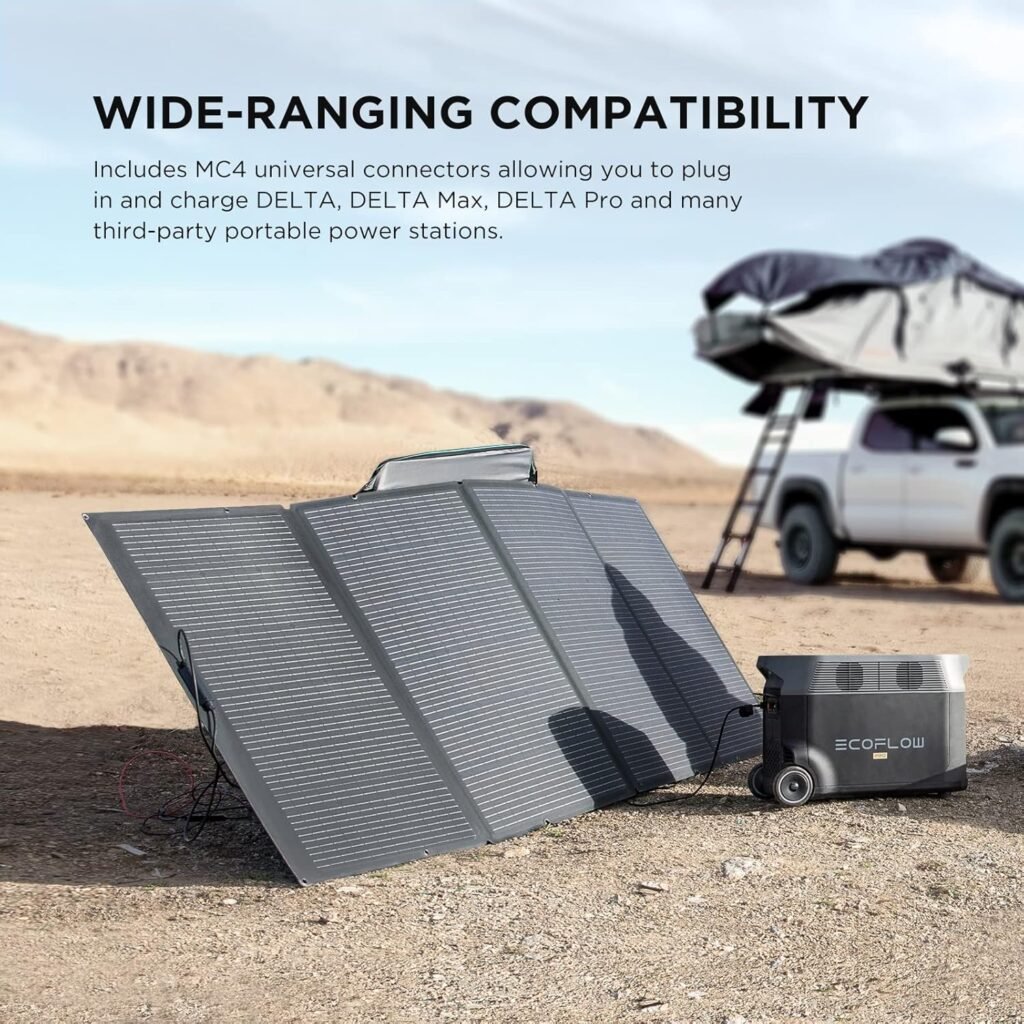
| Best Paired With | EcoFlow power stations (MPPT optimization built in) |
These specs tell us we’re not dealing with a toy panel. This is a serious, high-output panel designed for people who actually need power off-grid, not just a trickle charge.
Design and Build Quality
Foldable, Portable Construction
We appreciate gear that strikes a balance between power and practicality. At 400W, this panel is large enough to power real devices, but EcoFlow has made it foldable so that we can store it in a van, car trunk, or closet without it dominating the space.
The panel folds into a compact package that slips into its carry case. That means:
- We can pack it along for road trips without rearranging the whole vehicle.
- We can stow it neatly at home as part of our emergency kit.
- We can take it from the vehicle to the campsite without multiple trips.
Is it light? At 16 kg (35.3 lbs), it’s not featherweight, but for a 400W panel, it’s surprisingly manageable. We think of it like carrying a loaded duffel bag: very doable for most of us, especially if we only move it a short distance from car to campsite.
Materials and Durability
EcoFlow uses layers of flexible EVA (ethylene-vinyl acetate) and fiberglass to reinforce the panel. We see this as a big plus for real-world use:
- EVA adds protection and flexibility, helping absorb shocks.
- Fiberglass gives structural strength, preventing bending and cracking.
That construction makes the panel feel less fragile than typical rigid glass panels we might worry about cracking or chipping. For outdoor users—campers, vanlifers, overlanders—this kind of resilience matters a lot. We’re not always setting up on perfect surfaces, and gear gets knocked around.

Adjustable Kickstand Case: Practical Portability
Why the Kickstand Case Matters
The adjustable kickstand case is more important than it might sound at first. It’s not just a bag; it doubles as a stand to angle the panel toward the sun. This combination of carrying case and stand means we don’t need extra accessories or DIY supports.
We can:
- Prop the panel up at an angle for better sun exposure.
- Adjust the tilt as the sun moves through the day.
- Pack everything away in the same case when we’re done.
Having the case function as a stand also cuts down on setup time. We just unfold, set the angle, and connect the cables.
Ease of Setup in Real Use
We’ve all used “portable” gear that ends up being fussy to deploy. With this panel, setup is straightforward:
- Take the folded panel out of the case.
- Unfold it into its full array.
- Use the kickstand positions to angle it toward the sun.
- Plug it into the EcoFlow power station.
We like that the design minimizes moving parts and loose hardware. Fewer parts to lose, fewer things to fiddle with. This matters especially when we set up camp after a long drive or when the light is fading and we want power running quickly.
Weather Resistance and IP68 Waterproof Rating
Understanding IP68 in Real Terms
The IP68 waterproof rating on the main body of the panel means it is both dust-tight and able to withstand submersion in water to a specified depth and duration (as defined for IP68 devices). In practice, for us this means:
- Dust, sand, and dirt are not going to ruin the panel.
- Rain, splashes, and even heavy sprays are manageable.
However, there is an important detail: only the main body of the panel is waterproof. The junction box and connection points are not meant to be submerged. So while we don’t need to panic if it starts raining while the panel is out, we still need to treat the connectors with some common sense and keep them off the ground and out of puddles.
Handling Harsh Outdoor Conditions
Because of its construction and IP68 rating, this panel is well-suited for:
- Beach camping (sand and spray)
- Desert travel (dust and intense sun)
- Mountain trips (unpredictable weather, cold mornings, wet ground)
- Backyard use year-round (morning dew, rain showers)
We feel more relaxed using gear when we know it can handle some abuse and weather. The panel’s ruggedness reduces the mental load of “babying” it every time we use it outdoors.
High Performance and Efficiency
What 400W Actually Means for Us
A 400W solar panel is a big step up from the small foldable panels that only give us 60–120W. In good sunlight, 400W can mean:
- Charging a portable power station significantly during the day.
- Running small appliances via the power station (like a portable fridge, lights, or a laptop) while still gaining net energy.
- Shorter charging times so we’re not dependent on long sunny days.
The actual wattage we get in real life depends on conditions: angle, temperature, clouds, and so on. But having a 400W rating means even at 50–70% of its peak, we’re still getting a useful amount of power.
Monocrystalline Cells and 22.4% Conversion Efficiency
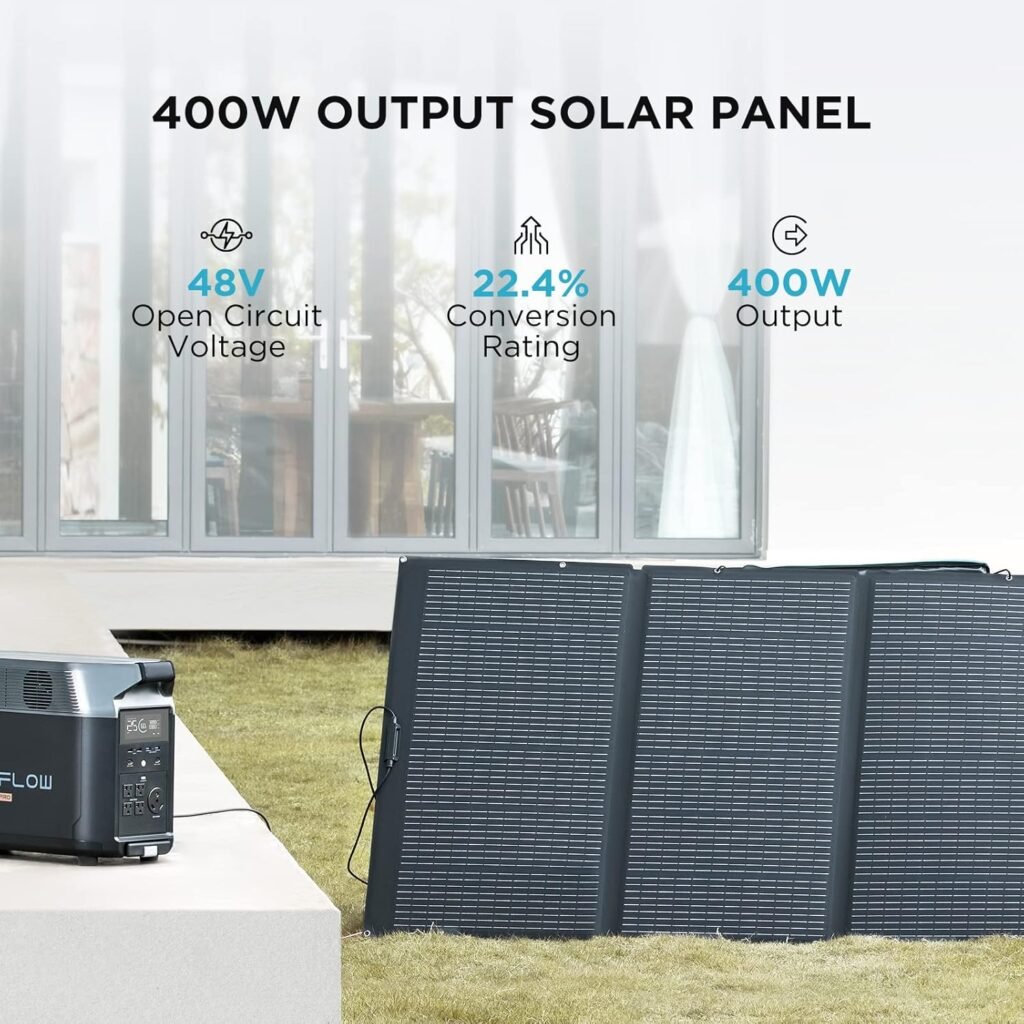
The panel uses Monocrystalline solar cells, which are some of the most efficient currently available for consumer products. The claimed 22.4% conversion efficiency is notably high, meaning:
- More of the sunlight that hits the panel is converted into usable electricity.
- We get more output from the same surface area compared to many older or cheaper panels.
- We can carry fewer panels to reach a given power output.
Even if we never see perfect-lab conditions in the field, high efficiency still helps in marginal light, short winter days, and partially cloudy weather. For us, this can be the difference between having enough power for everything or having to ration.
MPPT Optimization with EcoFlow Power Stations
Why Pairing Matters
When we pair this panel with an EcoFlow power station, the system uses an MPPT (Maximum Power Point Tracking) algorithm. MPPT is a fancy way of saying the power station adjusts how it draws power from the panel so it gets the maximum possible energy under current conditions.
This gives us:
- Better performance in variable conditions (like passing clouds).
- More stable charging throughout the day.
- Improved performance even when temperature or light angle isn’t ideal.
We can use solar panels without MPPT, but we would be leaving power on the table. With a panel this capable, we want to squeeze out as much energy as possible.
Realistic Charging Outcomes
Actual numbers depend on which EcoFlow power station we pair it with, but as general scenarios:
- A medium-size EcoFlow power station (around 1 kWh) can be meaningfully charged in a single sunny day.
- A larger station (around 2–3 kWh) can be replenished over a day or two, depending on how much power we’re using while charging.
Because of the high efficiency and MPPT optimization, we don’t have to chase perfect conditions all the time. We still benefit from partially cloudy or winter days, even if at reduced output.
Portability vs. Power: Who This Panel Suits
For Outdoor Enthusiasts and Campers
For camping and general outdoor adventures, this panel hits a sweet spot between portability and capability. We see it working well if we:
- Run a 12V fridge or cooler from a power station.
- Charge phones, tablets, laptops, and camera gear.
- Use LED lights, fans, and other low to medium draw devices.
Instead of constantly worrying about battery levels, we can set this panel up at the campsite, keep the EcoFlow power station plugged in, and let the sun refill our power bank during the day.
For Vanlife and Overlanding
For those of us living or traveling in vans, RVs, or overland rigs, the EF EcoFlow 400W panel is powerful enough to act as a main or supplementary solar source:
- We can fold it away when stealth parking or when we don’t want permanent roof panels.
- We can angle it toward the sun instead of being limited to the roof angle.
- We can use it alongside roof-mounted panels to increase total charging capacity.
We like this approach when we don’t want to drill holes or permanently modify a vehicle, or when we rent or borrow vehicles but still want serious solar capability.
For Home Backup and Emergency Preparedness
Off-grid camping is only one use. At home, we can store this panel in a closet or garage and pull it out during:
- Power outages from storms or grid failures.
- Situations where we want silent, fuel-free backup power.
- Times when we’re managing energy use more deliberately.
Paired with an EcoFlow power station, this panel can keep essentials going: phones, lights, small medical devices, modems/routers, and laptops. We’re not running an entire household off a single 400W panel, but we are gaining resilience when the grid goes down.
Ease of Use in Everyday Scenarios
Setup Steps We Actually Follow
Using the EF EcoFlow 400W panel in day-to-day situations becomes quite routine:
-
Choose a good spot
We look for a clear view of the sky, away from shade (trees, buildings, vehicles). -
Unfold the panel
We lay it out flat initially to check cable orientation and cable reach. -
Deploy the kickstand
Using the adjustable kickstand positions, we set a tilt angle roughly matching the sun’s height in the sky. -
Connect cables to the EcoFlow power station
We make sure connections are dry, secure, and not under strain. -
Monitor the power input
On the EcoFlow power station display, we can see how many watts we’re receiving. This helps us tweak the angle if needed.
Over time, this process becomes second nature, and we start to adjust tilt intuitively as the day goes on.
Storage and Transport
When we’re done using the panel:
- We fold it carefully along the built-in fold lines.
- We place it back into the carry case.
- We store it in a dry spot, away from sharp objects.
Because it’s designed for transport, it stands up better to being moved often compared to many rigid panels that are meant to be semi-permanently installed.
Performance in Different Weather Conditions
Sunny Days: Best-Case Scenario
In direct, unobstructed sunlight with good orientation, we can expect the closest to peak output. The combination of 400W rating and high efficiency means:
- The panel can often reach a good percentage of its rated power.
- Charging is faster and more predictable.
- We can run and charge multiple devices through the EcoFlow power station.
On bright days, we might find we need fewer hours of full sun to reach our daily power needs, which is reassuring if we’re active or moving around a lot.
Cloudy, Cold, or Mixed Weather
No solar panel is immune to clouds, but higher-efficiency panels and MPPT systems tend to fare better. In cloudier conditions, we might see:
- Lower wattage but still usable input through the day.
- More fluctuations due to passing clouds.
- Reasonable performance in cool temperatures, as solar cells can actually work more efficiently at lower temperatures.
We adjust expectations here: instead of thinking “full recharge,” we think in terms of “topping up enough for essentials.” The 22.4% efficiency and smart power tracking help squeeze energy from imperfect conditions.
Strengths and Limitations
What We Consider the Strongest Points
We see several clear strengths with the EF EcoFlow 400W Portable Solar Panel:
-
High Power Output (400W)
Enough to be genuinely useful for larger power stations and higher consumption. -
Excellent Efficiency (22.4%)
Makes better use of available sunlight than many standard panels. -
Portable and Foldable
Large power in a package that is still manageable for one person to carry. -
Durable Materials, IP68 Rating
Built for real-world outdoor use, with protection against dust and water for the panel body. -
Adjustable Kickstand Case
Convenient combination of carrying case and angle support. -
Optimized with EcoFlow Power Stations (MPPT)
Designed to work efficiently with the EcoFlow ecosystem.
These strengths make the panel especially attractive for people who want a high-performance, portable solar setup that doesn’t feel like a science project.
Where We Notice Trade-Offs
There are also some trade-offs we should be honest about:
-
Weight (16 kg / 35.3 lbs)
For a 400W panel, this is reasonable, but it’s not something we want to carry long distances on foot. It’s best suited for vehicle-based travel (car, van, RV, truck). -
Size When Deployed
A 400W panel naturally takes up a fair amount of ground or surface area when unfolded. We need enough open space to lay it out. -
Waterproof Limitations
While the panel body is IP68 rated, the junction box and connectors still need protection from standing water or full submersion.
Recognizing these limitations helps us plan how and where we’ll use it. For car-based trips or stationary use at home, these trade-offs are usually easy to manage.
Comparing It to Smaller Portable Panels
Why We Might Choose 400W Over 100–200W
Smaller panels are lighter and easier to manage, but we find they often fall short for larger, modern power needs. With this 400W panel:
- We can support more continuous loads (like fridges and laptops).
- We have more margin for poor weather days.
- We reach full charge faster, which is especially important on short winter days.
In practical terms, we can treat the 400W panel as a main solar workhorse rather than a backup or trickle charger. This shifts our mindset from “let’s sip a little power” to “let’s confidently run what we need.”
When a Smaller Panel Might Still Make Sense
There are still cases where a smaller panel might suit us better:
- Backpack-only trips where we carry everything on foot.
- Occasional light use scenarios, like topping off a battery pack on day hikes.
- Minimalist setups with very low power needs.
However, as soon as we’re using a vehicle and want to power a fridge, laptop, camera batteries, routers, and lights, we tend to gravitate back toward something at this 400W scale.
Using the Panel Safely and Effectively
Basic Safety Practices
To keep the panel performing well and to stay safe, we follow simple guidelines:
- We keep connectors dry and off the ground when in use.
- We avoid stepping on the panel or placing heavy objects on it.
- We disconnect the panel during electrical storms.
- We store it away from extreme heat sources when not in use.
These habits are easy to build and help our investment last longer.
Getting the Most Out of the Panel
We also like a few best practices to maximize energy production:
- Angle adjustment: Changing the tilt position a couple of times per day can noticeably improve yield.
- Avoid shading: Even small shadows from tree branches or antennae can reduce overall output.
- Keep it clean: Wiping away dust, pollen, or bird droppings with a soft cloth and appropriate cleaner helps maintain efficiency.
These small actions add up over weeks and months of use, especially when we rely heavily on solar as our main energy source.
Practical Use Cases We Imagine
Off-Grid Weekend Adventure
We pack the EF EcoFlow 400W panel and a compatible EcoFlow power station for a three-day camping trip:
- The panel charges the power station during the day.
- We run a portable fridge, charge phones and cameras, and use LED lighting at night.
- By the end of the trip, we’ve stayed powered the whole time without starting a fuel generator or plugging in anywhere.
This is where the panel feels like a freedom tool—we’re not tied to powered campgrounds.
Road Trip and Remote Work
We are traveling from place to place and working on the road, needing to keep laptops, Wi-Fi devices, and phones topped up:
- We set up the panel at midday while we work or rest.
- The EcoFlow power station acts as a hub for all our electronics.
- Even in moderate conditions, the 400W panel can keep up with our typical workday needs.
We turn rest stops, scenic viewpoints, and quiet parking spots into temporary, solar-powered offices.
Emergency Power at Home
A storm knocks out grid power in our neighborhood:
- We unfold the 400W panel in the backyard where it gets the most sun.
- We charge an EcoFlow power station and use it to run essential devices: a router, phones, some lights, and maybe a compact fan or CPAP device.
- As long as we get reasonable daylight, we can maintain core functions until grid power returns.
Here, the panel becomes part of our household resilience plan rather than just outdoor gear.
Value and Longevity
Why We See It as a Long-Term Investment
We think of a high-quality solar panel like this as a long-term partner rather than a short-lived gadget. The combination of:
- Rugged materials
- High-efficiency cells
- Weather resistance
- Compatibility with a whole ecosystem of EcoFlow products
means we can use it across multiple setups and over many years.
Even as we upgrade power stations or change vehicles, a durable, efficient panel remains useful. That makes the upfront cost easier to justify when we spread it over many trips and situations.
Where Its Value Really Shines
The value becomes clear when we consider all the alternative costs we might avoid:
- Fuel and maintenance for a gas generator.
- Hookup fees at powered campsites.
- Wasted time searching for outlets or charging stations on the road.
- Spoiled food from fridge or freezer failures during power outages.
For us, the benefit is not only financial; it’s also about independence and confidence. Knowing we have a reliable way to turn sunlight into usable electricity is powerful.
Who We Think This Panel Is Best For
Ideal Users
We see this product fitting especially well if we:
- Travel by car, van, RV, or truck and want significant power off-grid.
- Own or plan to own an EcoFlow power station and want a matching, optimized solar solution.
- Go camping frequently and like to bring power-hungry gear like fridges, drones, or laptops.
- Want reliable backup power at home without relying solely on fuel generators.
- Care about ruggedness and real weather resistance for long-term, outdoor-heavy use.
If we recognize ourselves in any of those groups, the EF EcoFlow 400W panel is worth serious consideration.
Who Might Want Something Different
This panel may be more than we need if:
- We mostly go on short day hikes and need to carry everything on our back.
- Our power needs are extremely minimal—just a small power bank and a phone.
- We never plan to own a power station or run AC or DC devices beyond tiny electronics.
In those cases, a smaller, lighter panel might be more convenient. For most off-grid or travel scenarios involving vehicles, though, this 400W panel hits a very meaningful capability level.
Our Overall Take on the EF ECOFLOW 400W Portable Solar Panel
The EF ECOFLOW 400W Portable Solar Panel, Foldable & Durable, Complete with an Adjustable Kickstand Case, Waterproof IP68 for Outdoor Adventures strikes us as a thoughtfully designed solution for people serious about portable solar.
We get:
- High performance with a 400W rating and impressive 22.4% efficiency.
- True portability, thanks to a foldable form factor and a well-designed carry/kickstand case.
- Durability and weather resistance, with multi-layer EVA, fiberglass, and IP68 protection for the main panel body.
- Smart system-level behavior when paired with EcoFlow power stations through MPPT optimization.
We do accept that it has some weight and takes up space when deployed, but those are natural consequences of its power level. For vehicle-based travel, remote work, extended camping, and home backup, the trade-offs feel entirely reasonable.
In our view, this panel is best for those of us who want to step beyond “just charging a phone” and into running actual off-grid systems—fridges, laptops, lights, and more—without giving up portability. If we want a robust, long-lasting, and efficient solar partner for our EcoFlow ecosystem, this 400W panel fits that role extremely well.