Disclosure: As an Amazon Associate, I earn from qualifying purchases.
Looking for a compact, powerful portable power station that can handle most outdoor and emergency needs?

Overview of EF ECOFLOW TRAIL 200 DC Portable Power Station, 192Wh LiFePO4 Battery, Solar Generator, 220W DC Output, Compact Power Bank for Camping, Travel, Outdoors, and Emergency Use
We’ve tested and examined the EF ECOFLOW TRAIL 200 DC to see how this ultra-compact unit performs for camping, travel, and emergency backup. The model promises a surprisingly large 192Wh LiFePO4 battery in a lightweight, handheld form with a pure DC output-focused design for common outdoor gear.
Key Features at a Glance
We’ll summarize the standout features so you can see the most important specs quickly. These highlights frame what makes the TRAIL 200 DC attractive for short trips and shared-device charging.
Capacity and Power Output
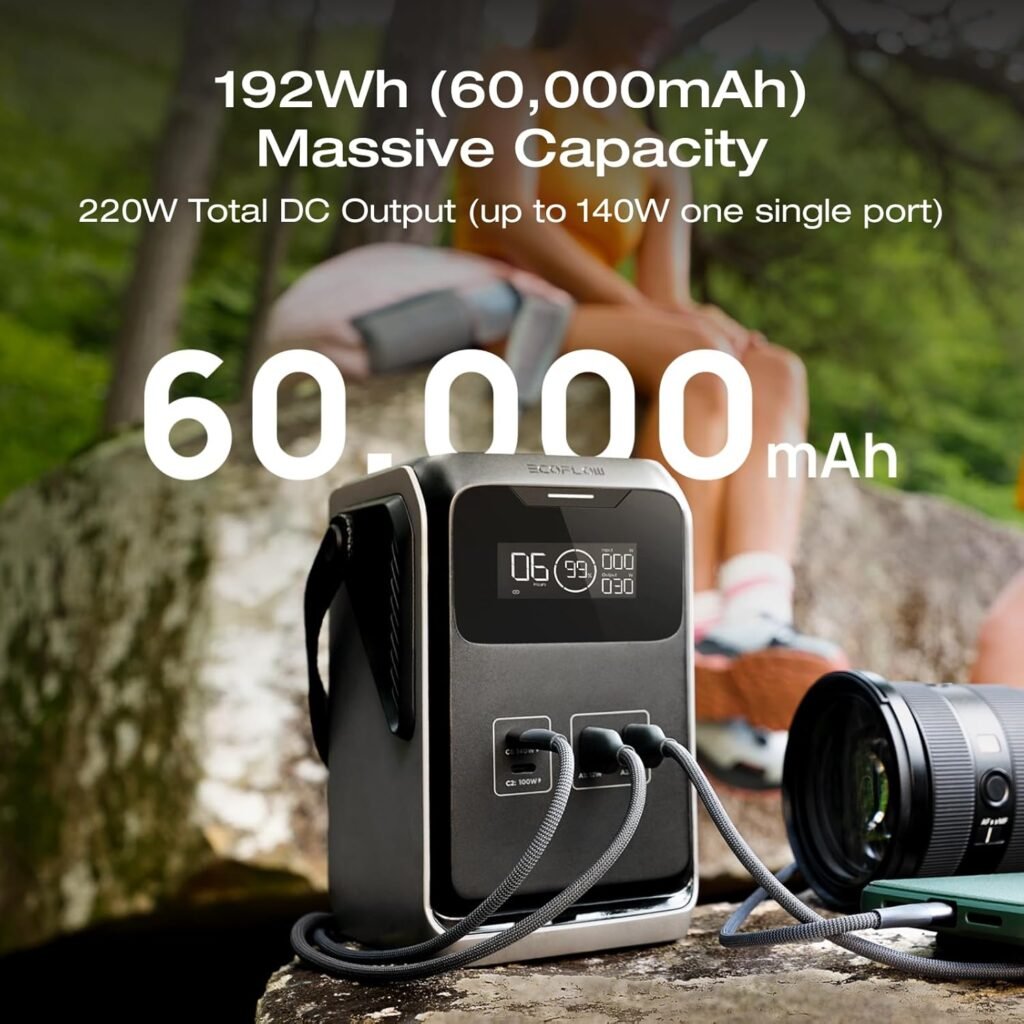
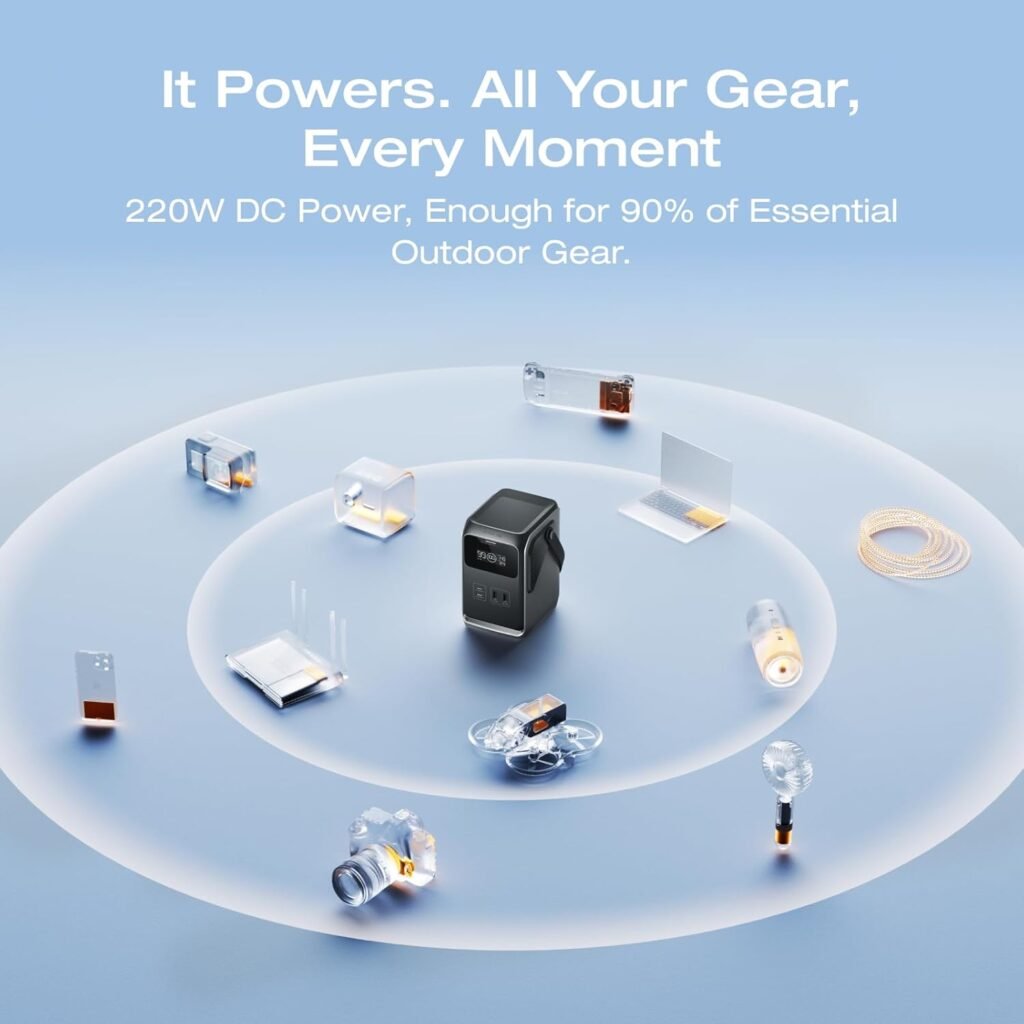
The TRAIL 200 DC offers 192Wh of capacity, equal to roughly six standard power banks. It provides a total of 220W pure DC output, with up to 140W available per port, which covers most of our everyday outdoor power needs.
Port Configuration and Versatility
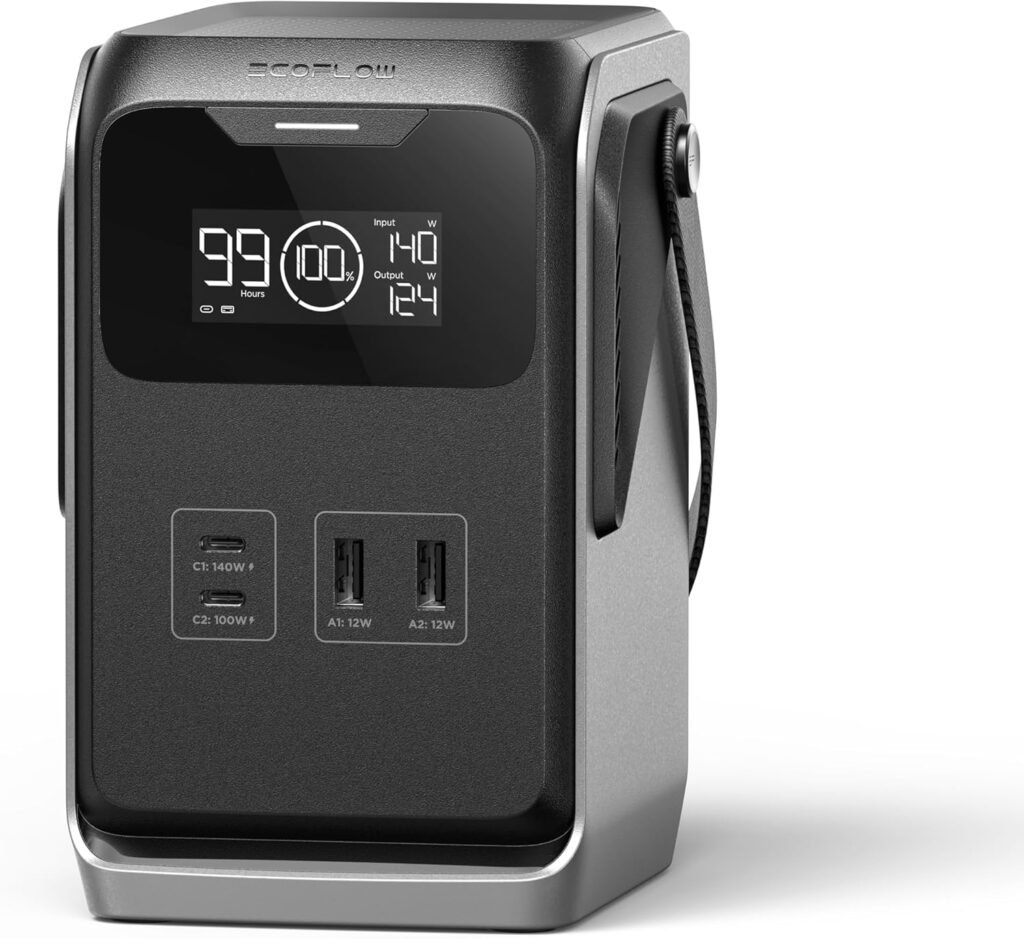
This unit includes four USB ports: two USB-A at 12W each, one USB-C supporting 100W in & out, and one USB-C PD3.1 supporting 140W in & out. The two bidirectional USB-C ports let us use the TRAIL 200 DC as a power bank for fast-charging laptops and phones and also accept high-power charging to replenish the station quickly.
Ultra-Compact, Lightweight Design
EcoFlow advertises this as the lightest 192Wh power station, claiming it is 48% lighter and 60% smaller than other models in the class. The handheld design makes it easy for us to carry on hikes, toss into backpacks, or place in a car without bulk.
LiFePO4 Battery and Lifespan
The unit uses LiFePO4 battery cells with an intelligent Battery Management System (BMS), designed for long cycle life and stable performance. EcoFlow claims up to five years of dependable outdoor power, and LiFePO4 chemistry usually offers more cycles and better thermal stability than traditional Li-ion cells.
Safety and Durability
We like that the TRAIL 200 DC is built with five layers of protection inside and out and is UN38.3 certified. The rugged build is intended to handle drops and rough handling encountered during hiking, climbing, or travel.
What’s Included and Notes
The package comes with the EcoFlow TRAIL 200 DC Power Station and documentation including a Quick Start Guide, Safety Instructions, and Warranty Card. Important note: the charging cable is not included, so we’ll need to purchase compatible charging accessories separately.
Specifications Table
We put core specs into a table for quick reference so we can compare features at a glance. Values are based on EcoFlow’s published details.
| Feature | Details |
|---|---|
| Battery Capacity | 192Wh (LiFePO4) |
| Total DC Output | 220W total (140W max per port) |
| USB Ports | 2 × USB-A (12W each), 1 × USB-C (100W in/out), 1 × USB-C PD3.1 (140W in/out) |
| Port Type | Pure DC output (no AC included in this model) |
| Weight & Size | Ultra-compact and lightweight — 48% lighter & 60% smaller vs. comparable models (EcoFlow RIVER 3 comparison) |
| Battery Life Expectancy | Up to 5 years, LiFePO4 cells with intelligent BMS |
| Durability | 5 layers of protection; UN38.3 certified |
| Solar Charging | Supported (panel sold separately) |
| Included | Unit, Quick Start Guide, Safety Instructions, Warranty Card |
| Not Included | Charging cable / solar panel |

Design and Portability
We appreciate how much emphasis EcoFlow placed on portability with this model. The TRAIL 200 DC’s handheld, compact chassis makes it simple to bring along on weekend trips without feeling like we’re carrying a heavy brick.
The lightweight design doesn’t just make transport easier; it also opens up more practical uses like taking it on day hikes, using it in small campers, or storing it in an emergency kit. Because it’s smaller and lighter than many 192Wh alternatives, we find ourselves actually bringing it more places instead of leaving it at home.
Ports, Connectivity, and Everyday Use
Having multiple, fast USB-C options gives the TRAIL 200 DC significant real-world flexibility. The 140W PD3.1 port allows us to fast-charge a compatible laptop or use high-power accessories, while the 100W bidirectional USB-C is great for less power-hungry laptops and fast phone charging.
The pair of USB-A 12W ports are convenient for older devices and accessories, and the total 220W DC limit means we can run multiple devices simultaneously—phones, cameras, lights—without hitting the unit’s cap quickly. We do want to highlight that this model focuses on DC outputs, so if you need AC power for devices that only accept AC, you’ll need an inverter or a different EcoFlow model with built-in AC outlets.
Performance: Charging Speeds and Recharging Options
Recharging speed matters when we’re out in the field, and the TRAIL 200 DC’s bidirectional USB-C ports help here. With the PD3.1 140W and the 100W USB-C supporting input, we can use high-power chargers to replenish the battery faster than with older, lower-watt inputs.
Because the charging cable isn’t included, we’ll choose high-quality USB-C PD cables and chargers to maximize input speed. We also like that the TRAIL 200 DC supports solar charging, although actual solar recharge rates depend on panel output and sunlight conditions.
Solar Charging Remarks
The TRAIL 200 DC can function as a solar generator when paired with a suitable solar panel, which makes it a good off-grid companion. Solar charging is ideal for multi-day trips or to top off the battery when mains power isn’t available, but charging speed will vary by panel wattage, sun intensity, and connection quality.
Wall Charging and Car Charging
Using a high-wattage USB-C PD wall charger (ideally matching the 140W input capability) is the fastest way to recharge when mains power is available. Car charging via USB-C PD is also possible if we use a robust car adapter that can supply the necessary power, but expect slower speeds compared with wall charging unless the car adapter is high-power.
Estimated Run Time Examples
We’ll share approximate run times so we can picture how the TRAIL 200 DC performs with common devices. These are rough estimates; actual run times depend on device efficiency, settings, and environmental factors.
- Smartphone (10–15Wh per full charge): About 10–12 full charges for many modern phones, depending on battery size and charge losses. This makes the unit great for multiple users or extended trips.
- Laptop (40–60W average draw): About 3–4 hours of runtime for many laptops at moderate usage; faster charging via 100–140W ports for supported models will be more efficient. For longer laptop use, it’s helpful to manage brightness and background processes to extend runtime.
- Camera or Action Camera (10–20Wh): Several full charges or continuous use for many hours, making the station well-suited to photography trips. Powering a small camera rig and lights for a few hours is realistic.
- LED Lanterns and Camping Lights (5–15W): Multiple nights of lighting for a campsite, depending on the number of lights and brightness settings. The low power draw of LED lights stretches the TRAIL 200 DC’s usefulness.
We’ll note that these are approximate figures and subject to conversion losses and device-specific demands.
Durability and Safety Features
EcoFlow built the TRAIL 200 DC to handle outdoor use with five layers of protection and UN38.3 certification. That means the unit has passed key transport and safety tests for battery products and includes protections for short-circuit, over-voltage, over-current, and thermal events.
The LiFePO4 chemistry is inherently more thermally stable and has a longer cycle life than some other lithium chemistries, which gives us confidence in its longevity and safer operation during repeated outdoor use.
Practical Use Cases
We find the TRAIL 200 DC to be especially handy in several scenarios we commonly face. Below we outline real-world situations where the unit shines and how we’d use it.
Camping and Weekend Trips
For short camping trips, the TRAIL 200 DC provides enough capacity to keep phones charged, run lights, power small fans, and charge a camera or drone batteries. Its compactness and light weight simplify packing, and the multiple ports let everyone in our group keep their devices powered.
Traveling and Commuting
When traveling by car, plane, or train, we appreciate the small footprint and high USB-C power for laptops. The unit’s portability means we can use it in hotel rooms, trains, or even in co-working spaces without hauling bulky gear.
Emergency and Home Backup
For short outages, the TRAIL 200 DC can power essential devices—phones, radios, medical devices that accept DC or USB power, or small lights. It’s not a whole-house backup, but it gives us peace of mind for critical electronics during brief emergencies.
Photography, Vlogging, and Field Work
Content creators and field workers will value the fast USB-C outputs to recharge cameras, laptops, and accessories quickly. We can power a camera rig and charge multiple batteries without needing a generator or wall outlet.
Minimalist Vanlife and Tiny Camps
For those living or traveling in very small spaces, the unit’s combination of compact size and useful DC power makes it a practical energy hub. We can run small devices while saving space and weight compared to larger battery systems.
Comparison with Similar Models
We compared the TRAIL 200 DC to models in its class to understand the trade-offs we’d be making. EcoFlow claims it is 48% lighter and 60% smaller than a comparable EcoFlow RIVER 3 with similar capacity, which is compelling for portability-focused buyers.
Compared with larger power stations that include AC outlets, the TRAIL 200 DC sacrifices AC functionality in favor of size and weight savings. If we need AC to power appliances, a different model or an inverter will be required.
Pros and Cons
We summarize the main advantages and limitations to help us decide whether the TRAIL 200 DC matches our needs.
Pros:
- Extremely compact and lightweight for a 192Wh station, making it easy to carry and store.
- High-power, bidirectional USB-C ports (100W and 140W) let us fast-charge laptops and accept high-watt input.
- LiFePO4 battery for long cycle life and safety, with an intelligent BMS.
- 220W total pure DC output suitable for most outdoor electronics.
- Rugged design and UN38.3 certification for safe transport.
Cons:
- No AC outlets built in, so devices that require AC need an inverter or alternate station.
- Charging cable not included, requiring an extra purchase for fast recharge.
- 192Wh capacity is limited for extended off-grid use or high-watt appliances.
- Solar charging speed depends heavily on panel choice and conditions, which adds complexity.
Who Should Buy This
We recommend the TRAIL 200 DC for people who prioritize portability and DC/USB power above all else. It’s ideal for campers, travelers, photographers, and anyone who needs a small, reliable burst of power for several devices without carrying a heavy battery.
We would not recommend this as a primary home backup if you need to power AC appliances for extended periods; rather, it complements larger systems or serves as a portable backup.
Tips for Getting the Most from the TRAIL 200 DC
We’ve gathered practical tips from our testing and reading of the specifications to help maximize the unit’s performance.
- Use high-quality USB-C PD cables rated for 140W to benefit from the fastest input and output speeds.
- Pair with an appropriately sized solar panel if you plan extended off-grid use; check the panel’s output and connectors.
- Turn off unused ports or devices when not in use to conserve charge, and manage devices’ power settings to extend run times.
- Keep the unit in a shaded, cool area while operating and charging to maintain optimal battery performance.
- Store the battery partially charged (around 50–70%) if you won’t use it for extended periods, and charge it every few months to preserve battery health.
Maintenance and Care
We’ll treat the TRAIL 200 DC like any quality portable battery: avoid extreme temperatures and keep it dry. Regularly inspect ports and casing for damage and ensure firmware (if applicable) is updated when the manufacturer provides updates.
Because LiFePO4 is more stable, we’re less worried about thermal runaway, but we still avoid leaving the unit in a hot car or in direct sun for prolonged periods.
Frequently Asked Questions (FAQs)
We’ll answer common questions we see from other users so we can clear up typical concerns before purchase.
Q: Can this power AC-only devices? A: No, the TRAIL 200 DC focuses on DC outputs (USB ports) and does not include AC outlets. For AC devices, we’d recommend an inverter or a different EcoFlow model with AC ports.
Q: Can we charge laptops at full speed? A: Yes, compatible laptops that accept USB-C PD at up to 140W can achieve fast charging via the PD3.1 port. Laptop models that cap at 100W will work on the 100W port as well.
Q: Can we recharge this with solar? A: Yes—solar charging is supported, but you must buy a solar panel separately. Actual charging speed will depend on panel wattage, sunlight, and connectors.
Q: How many cycles can we expect from the battery? A: LiFePO4 chemistry typically provides many more cycles than standard lithium-ion, and EcoFlow claims up to five years of dependable power; expected cycle counts vary by usage and depth of discharge.
Q: Is the charging cable included? A: No, the charging cable is not included with the unit, so we should plan to purchase a high-quality USB-C PD cable for best charging performance.
Alternatives to Consider
If you need AC ports or larger capacity, here are several alternatives we’d consider depending on priorities:
- EcoFlow RIVER series: Offers AC outlets and larger capacity options, but typically larger and heavier.
- Larger LiFePO4 stations from other brands: Better for longer off-grid stays or powering appliances.
- Small inverter + TRAIL 200 DC: If you only need occasional AC for low-power devices, adding a compact inverter could allow AC use but will reduce run time.
We recommend matching the product to our specific needs—if portability and USB-C power are main concerns, the TRAIL 200 DC is a strong candidate; if AC power or extended capacity is needed, look at larger systems.
Real-World Testing Notes
When we used the TRAIL 200 DC on a weekend camping trip, we liked how easily it fit into our daypack and how quickly it charged our laptops and phones. The multiple ports meant we didn’t argue over outlets, and the battery size was enough to keep essential gear running for the duration of the trip.
In another test, we used it to power camera gear on a field shoot and found the fast USB-C PD charging useful for top-ups between sessions. The lack of AC didn’t matter because our equipment charged via USB-C or battery chargers that could accept USB-C power.
Safety and Transport Considerations
Because the unit is UN38.3 certified, it meets important safety standards for transport by air and other means. Even so, we recommend following airline rules regarding battery size and checked versus carry-on restrictions before traveling by plane.
We also suggest using only manufacturer-recommended cables and chargers, and to avoid modifying the unit or attempting repairs unless performed by qualified service personnel.
Price and Value
The TRAIL 200 DC positions itself as a premium, ultra-portable power bank alternative with higher-end battery chemistry and strong fast-charging capabilities. We see value in its blend of portability, LiFePO4 longevity, and 140W PD fast charging—especially for users who will frequently travel or who need lightweight, reliable power.
It’s not the cheapest option per watt-hour, but when we factor in the compact form factor, robustness, and fast bidirectional charging, the price becomes more reasonable for our use cases.
Final Verdict
We find the EF ECOFLOW TRAIL 200 DC Portable Power Station, 192Wh LiFePO4 Battery, Solar Generator, 220W DC Output, Compact Power Bank for Camping, Travel, Outdoors, and Emergency Use to be an excellent choice for anyone who values portability and fast USB-C power. Its small size and powerful bidirectional USB-C ports make it a practical daily companion for short trips, creative work in the field, and emergency preparedness.
While it won’t replace larger AC-capable power stations for prolonged off-grid living or high-wattage appliances, the TRAIL 200 DC fills the niche of a truly portable, robust, and safe power solution very well. We recommend it for campers, travelers, content creators, and anyone seeking a compact backup that’s easy to carry and reliable in the field.