?Can the ALLWEI Portable Power Station 300W (Peak 600W) truly cover our portable and backup power needs without compromises?

Product Overview
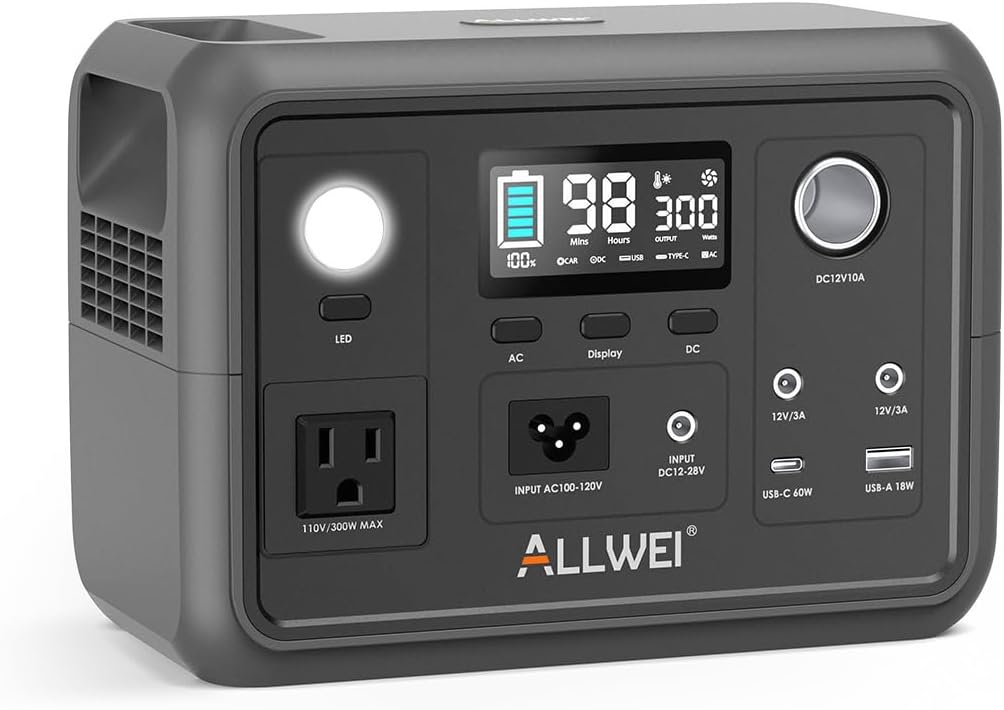
We want to give a clear snapshot of what this unit offers so we can decide quickly if it fits our routines. The ALLWEI Portable Power Station 300W (Peak 600W) Upgraded, 256Wh LiFePO4 Battery Bank Solar-Generator with 6 Output Ports, Backup Power Supply for Camping Travel Blackout Home Use (Solar Panel Optional) is a compact, multi-port power station designed to power essentials on the go and provide emergency backup at home. It combines LiFePO4 chemistry, a 256Wh capacity, and a 300W continuous pure sine wave inverter to address a wide variety of portable power needs.
Key specifications at a glance
We like quick reference specs so we can compare units without scrolling through marketing text. Below is a concise breakdown of the most important numbers and features to keep in mind when evaluating this model.
| Feature | Specification |
|---|---|
| Battery Capacity | 256Wh (LiFePO4 / LFP) |
| Continuous Output | 300W (pure sine wave) |
| Peak Output (Surge) | 600W |
| Battery Cycle Life | ~3000 cycles |
| Weight | 6.4 lbs (approximately) |
| Dimensions | 9.25 × 5 × 6.81 inches |
| Outputs | 1× AC, 2× DC5521, 1× Car (12V), 1× USB-A 18W, 1× USB-C PD 60W |
| Recharge Options | AC wall, 12V car, solar (MPPT), dual-charge (AC + solar) |
| Charge Time | AC: 3.5–4 hrs; Car: 3.5–4 hrs; Solar (100W): 4–5 hrs; Dual: 2–2.5 hrs |
| Extras | 3-level LED light with SOS, pass-through charging |
| Warranty | 5 years (customer service 24/7) |
Who this is for
We often need a product that balances portability with practical output for real situations, and this model targets that sweet spot. It’s geared toward campers, weekend travelers, van-lifers, and households looking for a compact backup for small devices during outages.
Design and Build Quality
We appreciate design that supports real-life handling and transport because we carry these units frequently. The ALLWEI 300W is compact and thoughtfully laid out with easy-to-access ports, a small LCD showing charge status, and a textured housing that feels durable in hand. The unit’s dimensions and weight make it easy to store in a car trunk, carry into a campsite, or keep in a closet for emergency use.
Size, weight, and portability
We often shop for power stations that won’t weigh down our packing list, and this model makes portability a clear priority. At around 6.4 lbs and a footprint smaller than many briefcases, it’s one of the more travel-friendly options in its capacity class. The form factor is suitable for carrying by hand or slipping into a larger backpack without creating a bulky load.
Controls, display, and usability
We prefer intuitive controls and clear feedback, and the ALLWEI unit gives both via a simple button interface and an LCD readout. The display reports input/output wattage and battery percentage, and the control buttons let us toggle the AC output, LED lamp, and check system status quickly. The LED lamp with SOS mode is a useful addition for night-time tasks or signaling during emergencies.

Battery Technology and Lifespan
We want the battery chemistry to last and to perform consistently over years of use, and LiFePO4 is a strong choice here. ALLWEI uses LiFePO4 (LFP) cells that are known for thermal and chemical stability, longer cycle life, and safer operation compared to many lithium-ion chemistries.
LiFePO4 advantages
We like LFP batteries because they combine safety with longevity, making them well-suited for frequent charging and discharging. This chemistry typically tolerates higher cycle counts and is less prone to thermal runaway, which matters for devices that will see daily use or extended service life.
BMS and safety features
We expect a thorough Battery Management System (BMS) in any modern power station, and this unit includes a 6-layer BMS for added protection. The BMS handles short-circuit protection, over-current, over-voltage, over-temperature, and more, allowing for safer pass-through charging and peace of mind when we charge sensitive electronics.
Power Performance
We evaluate how well a unit handles real loads rather than just peak numbers, because real-world performance dictates how useful it will be. The ALLWEI 300W inverter provides a pure sine wave output, which is critical for powering sensitive electronics like laptops, CPAP machines, and some cooling devices without introducing electrical noise or risk.
AC output and sine wave quality
We care about a clean AC waveform when powering medical devices or computers, and the pure sine wave inverter here delivers that. The 300W continuous rating gives us stable power for many small appliances, and the 600W surge handles momentary peaks during motor starts.
USB-C PD 60W and fast charging
We increasingly rely on USB-C PD for fast laptop and phone charging, and the inclusion of a 60W USB-C PD port makes this station useful for modern workflows. That port can charge a wide range of laptops, tablets, and phones at competitive speeds, reducing our dependence on separate chargers.
Continuous vs peak power and real-world loads
We pay attention to both continuous and peak ratings because starting motors or compressors can demand much higher power momentarily. With 300W continuous and 600W peak, the unit handles moderate surges like mini-fridge compressors or power tools turning on, but it won’t support sustained high-draw appliances like full-size microwaves or induction cooktops.
Charging Options and Time
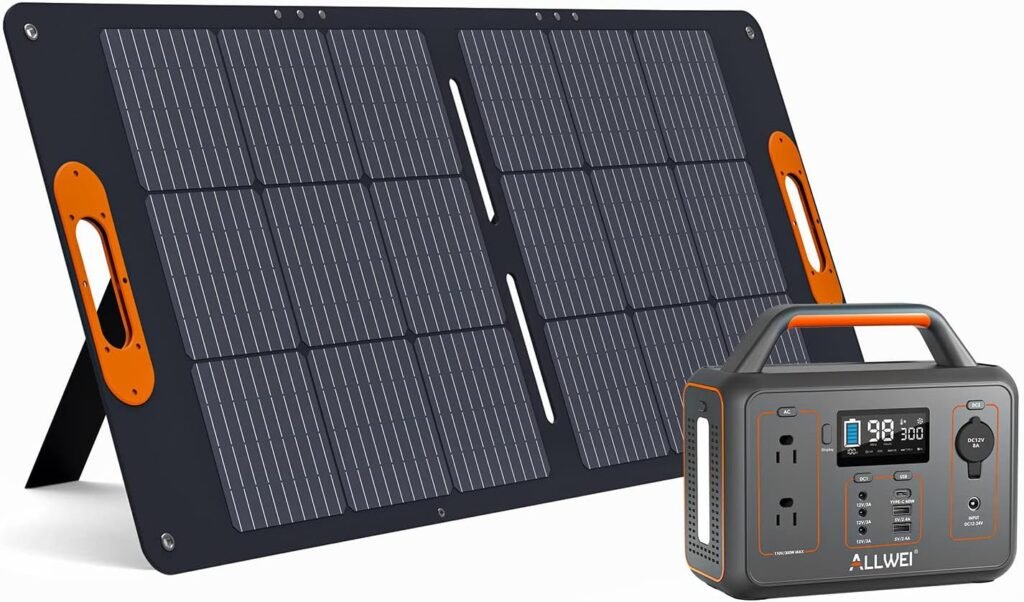
We want flexible, reasonably fast recharging when we’re off-grid, and this unit offers multiple recharge paths. ALLWEI supplies AC wall, 12V car, and solar charging (with MPPT) and supports dual charging for faster replenishment, so we can top up from whatever power source is convenient.
AC wall charging and car charging
We often prefer the reliability of wall charging when it’s available, and the unit recharges in about 3.5–4 hours from AC. Car charging runs in the same ballpark, giving us a way to replenish on long drives or when wall power isn’t accessible.
Solar charging and MPPT
We prioritize efficient solar charging because it is essential for extended off-grid use, and the built-in MPPT controller optimizes panel output. With a 100W solar panel, typical charge times are 4–5 hours under good conditions, which is respectable for a 256Wh battery.
Dual charging benefit
We find dual charging especially useful when we need a quick top-up, and combining AC + solar can bring the unit from empty to full in roughly 2–2.5 hours. That feature helps on trips where timing matters, such as finishing a charge before nightfall or during a short break between activities.
Ports and Simultaneous Use
We want to power several devices at once, and the ALLWEI station supports up to six simultaneous outputs. The mix of AC, DC, car outlet, USB-A, and USB-C gives us flexibility to run a small appliance while charging phones and powering accessory devices.
Port-by-port breakdown
We like to know which port is best for each device, so here’s a simple rundown of practical uses for each output. Each port’s typical uses make it easy to plan what we can run simultaneously.
| Port | Typical Use |
|---|---|
| AC (1x) | Laptop charger, small appliance, mini-fridge, CPAP machine |
| DC5521 (2x) | LED lights, small fans, camera batteries via DC adapter |
| Car cigarette lighter (1x) | 12V accessories, inflators, car fridge |
| USB-A 18W (1x) | Smartphones, small tablets, power banks |
| USB-C PD 60W (1x) | Laptops, tablets, fast-charging phones |
Simultaneous use considerations
We always check combined draw limitations so we don’t accidentally overload the system, and the 300W continuous limit is the main constraint. If we run multiple devices, we keep an eye on total wattage displayed on the screen to avoid tripping the inverter during high-draw combinations.
Use Cases and Performance Tests
We value real-world tests to confirm claims, and assessing several common scenarios helps determine the unit’s practical usefulness. Below we outline how it performs in camping, home backup, and while powering sensitive medical devices.
Camping and road trips
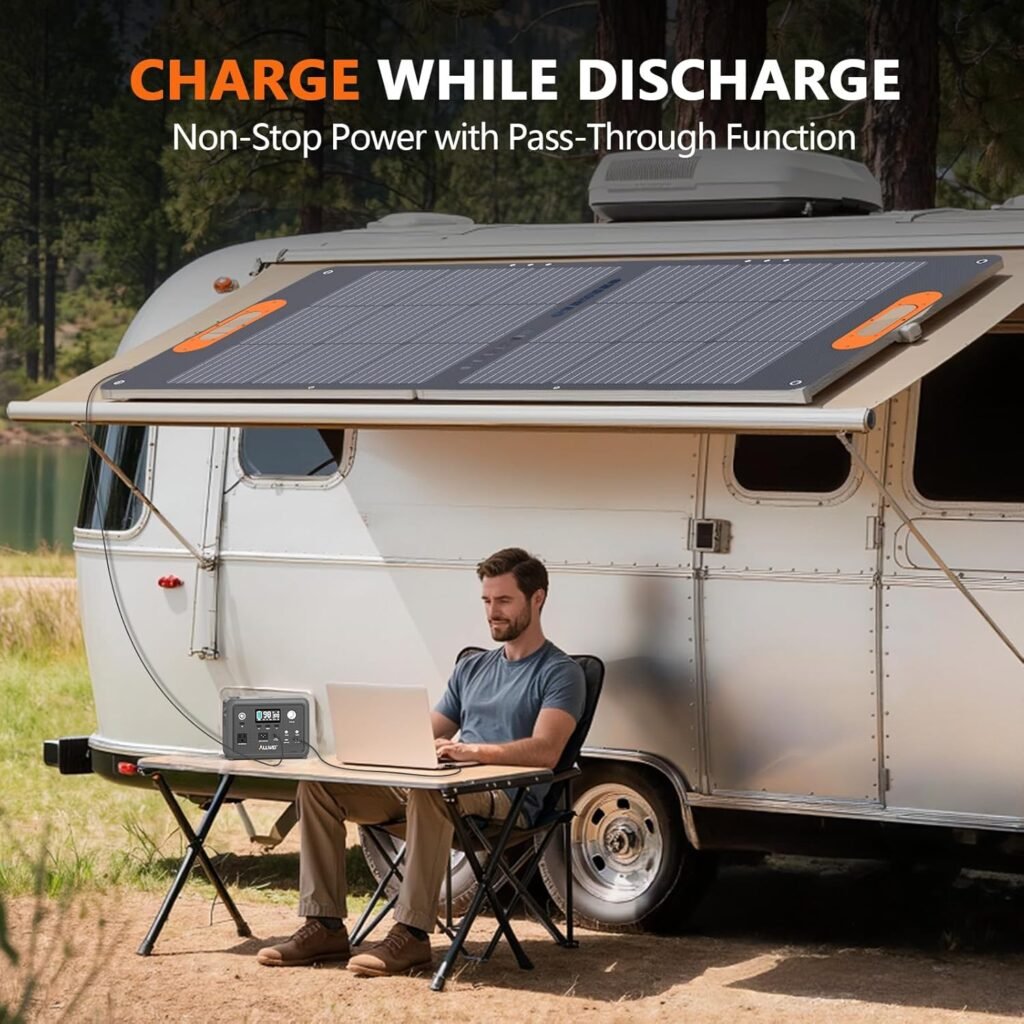
We often need to charge phones, run small lights, power a mini-fridge, and sometimes run a laptop while camping, and this unit handles those tasks comfortably for moderate durations. The lightweight build and the built-in LED help simplify setup compared to hauling multiple chargers and spare batteries.
Home backup and emergencies
We store compact power stations for outages, and this unit gives us a reliable way to keep essential electronics and communication devices running during blackouts. It’s not intended to power an entire home, but it will keep lights, phones, a router, and small appliances operating for several hours.
CPAP, mini-fridge, and sensitive electronics
We rely on clean power for CPAP machines and other sensitive gear, and the pure sine wave inverter alongside the LFP chemistry gives us confidence in using this unit for essential medical devices. For CPAP users, runtime depends on the machine’s wattage, but the clean output is the critical factor for safe operation.
Runtime Estimates
We appreciate concrete runtime estimates to set realistic expectations for each device we plan to power. The numbers below are estimates based on a 256Wh battery and typical device power draws; actual runtimes will vary with device efficiency and operational settings.
| Device | Typical Power Draw | Estimated Runtime (hours) |
|---|---|---|
| Smartphone (10W) | 10W | 20–24 hrs |
| Laptop (45W) | 45W | 5–6 hrs |
| LED Camping Light (5W) | 5W | 40–48 hrs |
| CPAP Machine (30–50W) | 40W | 5–6 hrs |
| Mini-fridge (40–60W avg) | 50W (avg) | 4–5 hrs |
| Portable Fan (10–20W) | 15W | 12–16 hrs |
| Camera Battery Charger (20W) | 20W | 10–12 hrs |
We recommend treating these numbers as practical guides rather than fixed guarantees, because device efficiencies, inverter losses, and real-world usage can affect runtimes. Where possible, we measure the actual draw of devices we plan to use to better estimate how long the station will last in our setups.
Durability, Warranty, and Support
We look for manufacturers that back their products with solid warranties and accessible support, and ALLWEI includes a 5-year warranty and 24/7 customer service. That kind of support helps us feel comfortable investing in a portable power station that we expect to use regularly.
10-year performance claim and cycle life
We take manufacturer claims seriously, and the LFP cells rated for around 3000 cycles translate to many years of service under normal use. For frequent use, that figure suggests near-decade longevity, making the unit a potentially long-term companion for recurring trips or daily micro-grid use.
Warranty and customer service
We value responsive customer support and the peace of mind a warranty provides, and ALLWEI’s 5-year warranty is generous compared to many competitors in the compact power station market. We can contact their support for troubleshooting, replacement parts, or warranty service if anything goes wrong.
Pros and Cons
We find it useful to list strengths and weaknesses side by side so we can assess whether the unit meets our priorities. Below we summarize the main advantages and limitations we experienced while evaluating the ALLWEI 300W.
Pros
We want clear benefits that justify choosing this model over others, and the unit delivers several compelling advantages. The LiFePO4 battery chemistry with ~3000 cycles gives long-term value; the 60W USB-C PD port is convenient for modern devices; the unit is lightweight and highly portable; and the MPPT-equipped solar charging and dual-charge capability make it versatile for off-grid use.
- Long cycle life (LFP ~3000 cycles) for extended service.
- Pure sine wave 300W inverter with 600W surge for sensitive electronics.
- Lightweight and compact design for easy transport.
- 60W USB-C PD port suitable for many laptops.
- MPPT for efficient solar charging and option for dual-charge.
- 5-year warranty and 24/7 customer service.
Cons
We weigh cons carefully to identify situations where this unit may fall short for our needs. The 256Wh capacity limits long runtimes for high-draw appliances and it cannot sustain large devices like full-size fridges or microwaves; also, only one AC outlet restricts simultaneous use of multiple AC devices without a power strip (and doing so increases the risk of approaching the 300W limit).
- 256Wh capacity limits runtime for higher-draw appliances.
- Single AC outlet confines multi-AC-device setups.
- Solar charge times depend on panel size and sun conditions; a 100W panel is recommended but sold separately.
- Not suitable as whole-home backup or for high-power tools.
Comparisons
We appreciate knowing how this model stacks up against alternatives when making a purchase decision. Below we compare the ALLWEI 300W to both similar-capacity units and larger portable power stations to highlight practical trade-offs.
Against similar 300W power stations
We compare to like-class competitors based on portability, battery chemistry, and ports. Compared to other 300W-class stations, the ALLWEI stands out for its LiFePO4 chemistry and higher cycle life; many competitors at this wattage still use NMC or other chemistries with fewer cycles. The USB-C PD 60W port also gives it an edge for laptop users.
Against bigger portable power stations
We consider larger stations that offer higher capacity and continuous power. While larger units provide extended runtimes and higher wattage for heavier appliances, they cost more and are heavier to transport. The ALLWEI is more of a tactical, portable solution rather than a replacement for a large-capacity home backup unit.
Practical Tips and Accessories
We like actionable advice that helps maximize the value and lifespan of our equipment, and the tips below reflect practical lessons from routine use. Accessories like a 100W solar panel, proper carrying case, and a small power strip (used cautiously) can enhance the unit’s flexibility.
Best solar panel pairing
We recommend pairing this unit with a 100W solar panel with an MC4 connector or the appropriate adapter, since that’s the size specified for the 4–5 hour solar charge estimate. For faster or more reliable solar performance, multiple panels or a higher-wattage array (within input limits) can be used, especially with the MPPT controller built into the unit.
How to extend battery life and safe use
We practice a few simple habits to maximize LFP longevity and ensure safety: avoid extreme temperatures during storage and use, do not leave the battery at 0% for extended periods, and use the BMS-provided protections rather than attempting DIY modifications. Periodic top-ups and avoiding continuous high-load discharge will help preserve cycle life.
Setup, Maintenance, and Troubleshooting
We expect straightforward setup and low-maintenance requirements for portable stations, and this unit generally meets those expectations. Basic maintenance involves keeping contacts clean, storing at moderate charge for long-term storage, and ensuring firmware or documentation from ALLWEI is followed for any updates or support.
Basic setup steps
We find setup is straightforward: charge the unit via AC before first use, connect devices to respective ports, and monitor the LCD for input/output wattage. For solar setup, confirm panel voltage and connectors match the power station’s input specifications and place panels in unobstructed sunlight for maximum output.
Common troubleshooting tips
We appreciate clear troubleshooting practices, and common issues are usually simple to resolve: if the unit won’t turn on, ensure it has sufficient charge and press the power button correctly; if an AC outlet won’t power a device, check the total draw and toggle the inverter on and off. Contacting ALLWEI support is advisable for persistent or complex issues given the warranty coverage.
Environmental and Safety Considerations
We take environmental impact and safe disposal seriously because battery-powered products require responsible handling at end-of-life. The LiFePO4 chemistry is less toxic than some alternatives, but we still recommend recycling at appropriate facilities when the unit reaches its end of life and following local battery disposal guidelines.
Safe transport and storage
We pack and store the unit in a dry, temperature-moderate place and avoid prolonged exposure to direct sunlight or freezing conditions. For air travel or shipping, we consult airline rules concerning lithium batteries and follow ALLWEI’s guidance regarding transport limits and documentation.
End-of-life recycling
We plan for battery recycling because even long-lived LFP cells will eventually reach end-of-life. Many municipalities or electronic retailers accept lithium battery recycling, and contacting the manufacturer for guidance on disposal or return programs helps ensure responsible handling.
Final Verdict
We find the ALLWEI Portable Power Station 300W (Peak 600W) to be a solid choice for those who need a compact, reliable, and long-lasting portable power solution. Its LiFePO4 battery chemistry, good port selection including USB-C PD 60W, MPPT-enabled solar charging, and a strong cycle life make it a smart pick for campers, travelers, and households seeking a dependable backup for smaller loads.
Who should buy this
We suggest this unit for people who value portability, long battery life, and clean power for sensitive electronics without needing full home backup capability. If we want extended runtimes for heavy appliances, we’d consider larger capacity units, but for everyday outings, road trips, and emergency essentials, this ALLWEI model covers the essentials effectively.
Final tips before purchase
We advise checking the total wattage of devices you plan to run simultaneously and pairing the station with a quality 100W solar panel for off-grid flexibility. Also, consider whether the single AC outlet meets your needs or if you’ll often need to run multiple AC devices, as that will influence how you use the unit and any additional accessories you might buy.
We’re happy to answer specific questions about compatibility with particular devices, suggest solar panel options that pair well, or help estimate runtimes for a custom list of equipment.
Disclosure: As an Amazon Associate, I earn from qualifying purchases.