Have we ever wished our power station could charge as fast from our car as it does from the wall?

What Is the OUPES 800W 3‑in‑1 Alternator Charger?
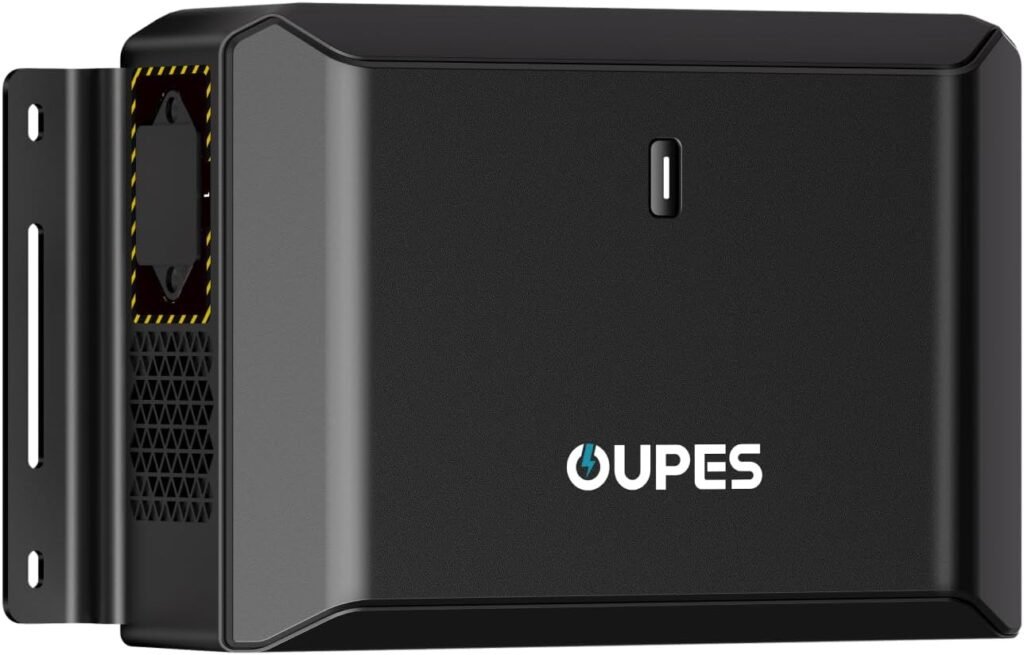
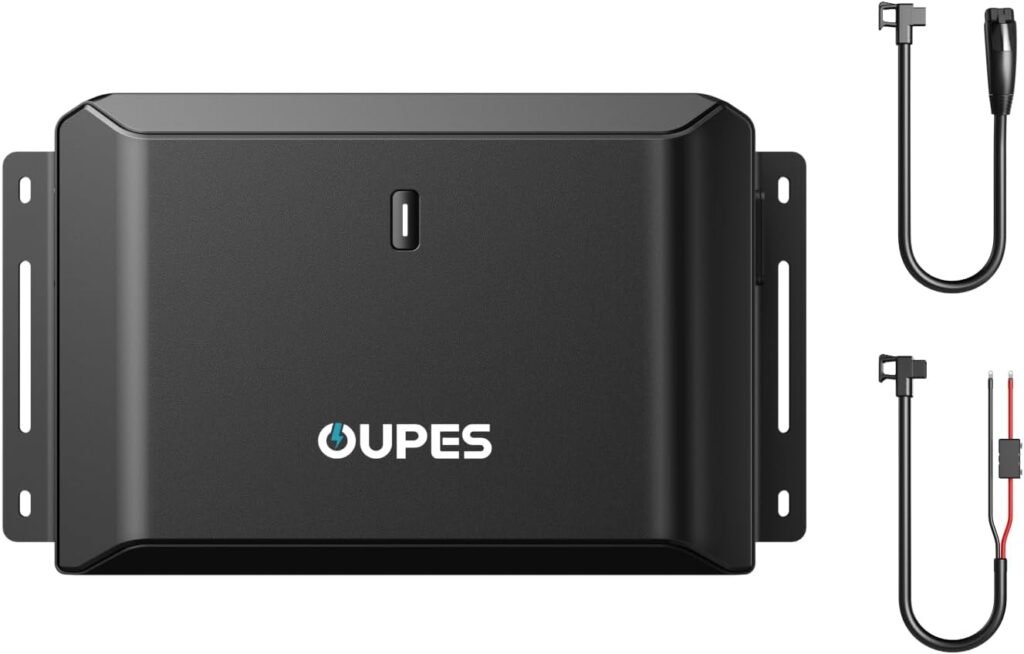
The OUPES 800W 3-in-1 Alternator Charger for Power Stations is a vehicle-mounted charger that pulls up to 800W from our car’s alternator while we drive. Instead of using the usual 12V cigarette lighter port (which is painfully slow), this unit lets us rapidly recharge compatible OUPES power stations from the alternator itself.
We see it as a bridge between our vehicle and our portable power system. It helps turn our SUV, pickup, or RV into a rolling power hub, so we can keep our power station topped up on the move without relying on campsites, generators, or long hours parked on shore power.
Key Features at a Glance
Sometimes it helps to see the basics lined up clearly. Here’s a quick overview of what this charger offers and what it means for us in real-world use.
| Feature | What It Means for Us |
|---|---|
| 800W alternator charging | Up to 8X faster than a standard 100W car cigarette lighter port |
| 3-in-1 functionality | Charge Mode, Reverse Charge Mode, and Battery Maintenance Mode |
| Smart Bluetooth app | Monitor voltage, current, mode, and status from our phone |
| 12V/24V vehicle compatibility | Works with most gas/diesel SUVs, pickups, and RVs |
| Reverse charging (800W boost) | Help revive or support a weak or dead vehicle battery using our OUPES power station |
| 100W trickle maintenance mode | Keep an infrequently used vehicle battery healthy over time |
| Built-in thermal protection | Added safety during high loads or harsh climate conditions |
| 2-year warranty | Extra peace of mind for frequent travelers and overlanders |
This combination makes it more than just a charger. It becomes a battery support tool, an on-the-road charging solution, and a smart monitor for our vehicle’s electrical system.
8X Faster Charging: What That Actually Means for Us
The headline promise is “8X faster car charging vs cigarette lighter,” and that sounds impressive—but how does it play out in daily use?
From 100W to 800W: A Big Step Up
Conventional car-charging through a 12V cigarette lighter socket typically maxes out around 100W. At that rate, charging a large power station can take many, many hours—sometimes more than a full day of driving.
The OUPES alternator charger, by comparison, can draw up to 800W from the alternator (depending on vehicle and conditions). That’s an enormous difference in energy transfer.
Suppose we have a 1,000Wh to 1,200Wh OUPES power station:
- At 100W (cigarette lighter): It might take 10–12 hours of continuous driving to go from close to empty to near full.
- At up to 800W (alternator charger): Under ideal conditions, we might recharge that same station in roughly 1.5–2 hours of drive time.
In practical terms, this means a road segment we were going to drive anyway now doubles as a powerful charging window. Instead of planning our trip around plug-in time, we can let the alternator do the heavy lifting in the background.
Real-World Use on Road Trips
We might not always hit a full sustained 800W—alternator output, battery state, and temperature all factor in—but even at 400–600W, the improvement over a cigarette lighter is huge.
On a typical day trip or when we change camp locations:
- A few hours of driving can bring our OUPES power station from significantly low to comfortably high.
- We arrive at camp with enough power to run a fridge, lights, fans, laptops, or camera gear without worrying about finding shore power.
This is especially freeing for boondocking, off-grid travel, or just long road adventures where we want our power station to stay ready without babying its charge level.
3-in-1 Functionality: Why It Matters
This charger is not just a one-trick pony. It offers three different modes, each targeting a specific real-world need. That’s where it stands out from simpler DC-to-DC car chargers.
Charge Mode: Powering Our Life on the Road
In Charge Mode, the alternator charger does what most of us initially buy it for: it takes power from the alternator while we drive and sends it into our OUPES power station.
We can think of it as turning our vehicle into a mobile power source:
- While we’re on the highway, the power station is topping up.
- When we pull over or arrive, our portable station is ready to run appliances, tools, or camp gear.
- We’re no longer reliant on wall outlets or solar alone, especially on cloudy or forested routes.
This mode is the core of the product, and for most of us, it will be the one we use most often.
Reverse Charge Mode: Helping a Weak Car Battery
Reverse Charge Mode flips the script: instead of pulling energy from the engine/alternator to the OUPES power station, it lets the power station send up to 800W back to the vehicle battery.
This is especially useful if:
- Our starter battery is low from leaving lights, a fridge, or accessories on.
- We’re camped for several days and the vehicle battery gets weak.
- We want a robust jump-assist option without traditional jumper cables from another car.
We’re not just “jump starting” in the old sense; with 800W available, we can give the battery a meaningful boost. In some cases, this can mean the difference between being stranded and simply turning on Reverse Charge Mode, waiting a bit, and starting the engine.
It’s a reassuring backup, particularly for remote trips where we can’t rely on passing traffic.
Battery Maintenance Mode: Long-Term Health for Infrequently Used Vehicles
For vehicles that sit for long periods—RV in storage, adventure rig between seasons, or a secondary truck—the Battery Maintenance Mode provides a low-power 100W trickle-type charge.
We can think of it like a smart maintainer:
- It keeps the vehicle battery topped up at a safe, gentle level.
- It helps reduce the risk of battery sulfation and early failure associated with repeated low states of charge.
- It’s useful in storage situations where we have a charged OUPES power station nearby to support the vehicle battery over time.
This is especially appealing for us if we own a power station already and we’d like to get extra value from it throughout the year.
Smart App Monitoring: Staying in Control
We typically don’t want to keep popping the hood or staring at a little box to know what our electrical system is doing. The OUPES charger addresses this with Bluetooth app control and monitoring.
What We Can See and Do from the App
From our phone, we can:
- Select and switch modes: Charge Mode, Reverse Charge Mode, or Battery Maintenance.
- View real-time voltage and current: See how much power is coming in or going out.
- Monitor system status: Check for errors, limits, or overload warnings.
- Keep an eye on trends: Get a sense of how our alternator and batteries behave during different drive segments or conditions.
This is especially helpful because it saves guesswork. Instead of wondering whether we’re overtaxing the system, we can watch live readings and adjust accordingly.
Safety and Convenience on the Road
App monitoring also means we spend less time physically checking the unit. While we sit in the driver’s seat or relax in the cabin:
- We can confirm that the charger is operating as expected.
- We can see if voltage drops or temperature warnings appear.
- We can switch modes if our priorities change (for example, from charging the station to helping our vehicle battery).
For longer road trips, this feels like having an extra gauge on our dashboard that specifically tracks how well we’re turning engine run-time into usable electricity.
Compatibility: Which Vehicles and Power Stations Does It Work With?
Before we rely on any vehicle accessory, we need to know it will actually work with our setup. The OUPES 800W Alternator Charger is designed with broad compatibility in mind.
Vehicle Compatibility (12V/24V Systems)
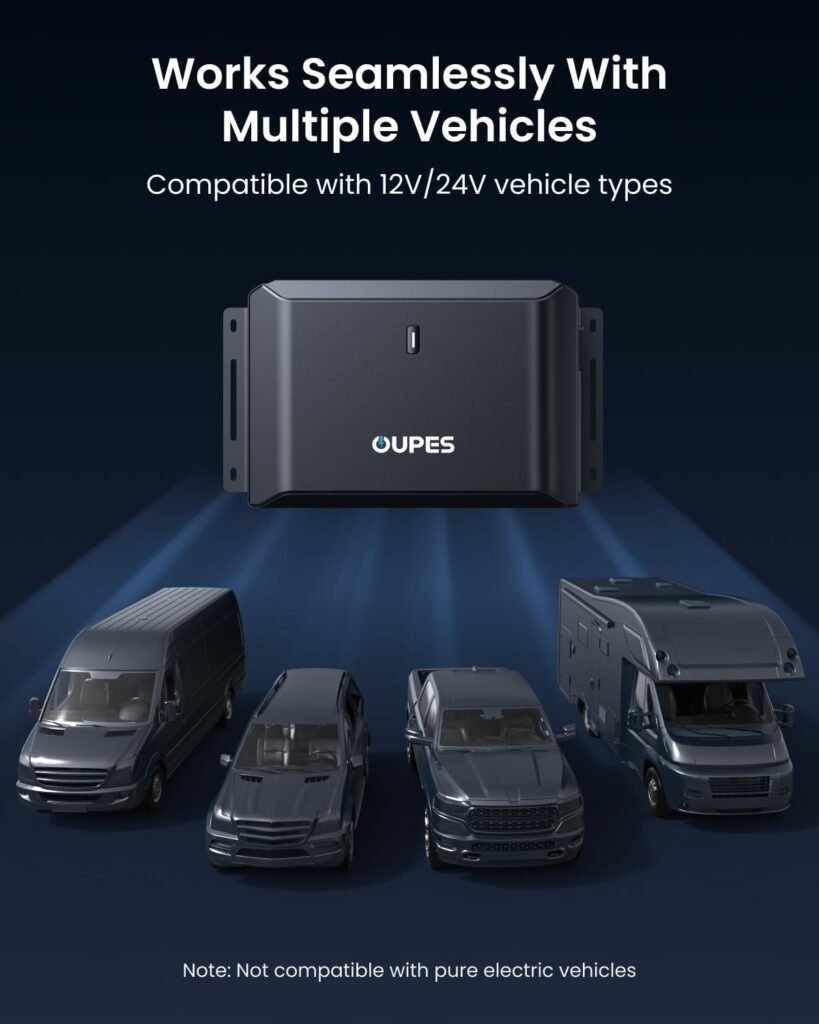
OUPES rates this charger as compatible with about 95% of gas and diesel SUVs, pickups, and RVs that use 12V or 24V systems. In day-to-day terms, that usually means:
- Most modern gasoline SUVs and pickups (12V)
- Many diesel trucks and work vehicles (often 12V, some 24V)
- A wide range of RVs and camper vans with standard automotive systems
For us, the advantage is that we likely don’t need to heavily modify our vehicle’s wiring. The unit is designed to integrate into typical automotive electrical systems rather than requiring complex custom installs.
We still need to double-check:
- Our alternator’s rated output.
- Our vehicle manual for any unusual charging system quirks.
- Compatibility guidance from OUPES specific to our model.
But for most mainstream vehicles, we can expect straightforward integration.
OUPES Power Station Compatibility
This charger is built specifically for OUPES power stations, particularly the Mega and Guardian series. That means:
- We get optimal performance and communication when pairing the charger with these OUPES units.
- Cable interfaces and protocols are tuned for these stations.
- Safety logic is coordinated, helping manage power flows on both sides.
If we already own a Mega or Guardian series power station, the alternator charger becomes a natural add-on that significantly expands what our system can do on the road.
Installation and Setup: What We Should Expect
We’re not all electricians or upfitters, so ease of installation matters. While exact steps can vary depending on vehicle and OUPES configuration, we can outline what we generally should expect.
Basic Installation Considerations
In most setups, we’ll need to:
- Connect to vehicle power: The charger ties into the vehicle’s electrical system so it can draw alternator output safely.
- Position the unit securely: Typically in the engine bay, under the hood, or in another protected location depending on cabling and airflow.
- Run cables to the power station: This might involve routing a cable through the firewall or to the cabin/cargo area where our OUPES unit lives.
Because the charger can draw up to 800W, correct wiring and suitable cable gauges are important. Thin or poorly routed cables can lead to voltage drop, inefficiency, or overheating.
DIY vs Professional Install
Some of us are comfortable wiring batteries and accessories; others prefer to have a professional handle it. In our view:
- Confident DIYers with experience in car audio, dual-battery systems, or DC circuits might manage installation themselves by carefully following OUPES instructions.
- Everyone else may want to use an automotive electrician, RV shop, or upfitter to ensure that installation is safe, code-compliant, and tailored to our vehicle.
The product’s “no complex wiring needed” claim refers more to its compatibility with typical systems and standardized design, not that we should ignore best practices. Proper connections and secure mounting still matter a great deal.
Performance in Different Use Cases
To understand the value of the OUPES 800W Alternator Charger, it helps to imagine how we might use it on different kinds of trips and in different lifestyles.
Road Trip and Overlanding
For overland rigs and long-distance road travel, this charger is especially compelling:
- Daily drive segments become charging opportunities.
- We can run a 12V fridge, lighting, and devices off the power station at camp and let the alternator refill that energy the next day.
- We are far less dependent on finding shore power or carrying a loud gasoline generator.
The combination of fast alternator charging and smart monitoring fits well with the needs of people who frequently move from one remote spot to another.
RV and Van Life
In an RV, camper van, or van conversion:
- Many of us already use a power station as part of our off-grid setup.
- Adding the alternator charger lets us quickly replenish that station as we relocate between camps or fuel stops.
- Instead of running a generator for hours, we let the engine’s alternator work while we’re already on the road.
For full-time or seasonal van lifers, this can significantly reduce generator run-time, fuel usage, and noise, while also giving us Reverse Charge Mode as an emergency backup for the starter battery.
Weekend Camping and Family Trips
For more casual use—weekend getaways, camping with family, tailgating, or outdoor events:
- We may not need every advanced feature daily, but the fast charging alone is a game-changer.
- After a weekend of using our OUPES power station to run coolers, lights, and devices, the drive home becomes enough to recharge for the next weekend.
- Battery Maintenance Mode is handy if our adventure vehicle sits for long periods between trips.
We get more value from our power station and worry less about whether it will be charged next time we want to head out.
Emergency Preparedness
In storms, grid outages, or unexpected situations:
- Our vehicle becomes an energy backup for our power station, and our power station becomes a backup for our vehicle battery.
- We can keep important devices, lights, and small appliances running off the power station, recharged by the alternator during necessary errands or relocation.
- If the car battery struggles after sitting unused, Reverse Charge Mode can help us get back on the road.
This two-way relationship between car and power station adds resilience that goes beyond simple portable battery packs or jump starters.
Safety and Reliability
Any time we connect a high-power device to our vehicle, we want to know it’s been designed with safety in mind. OUPES calls out several aspects that matter here.
Thermal Protection and Heavy-Duty Design
Pulling up to 800W from an alternator in hot environments—or boosting a battery in cold conditions—puts real stress on components. The OUPES alternator charger includes:
- Built-in thermal protection: It monitors temperature and can throttle or shut down if things get too hot to operate safely.
- Rugged construction: Intended for use in harsh conditions like desert heat, dusty environments, or mountain roads where air is thin and temperatures vary.
This matters a lot on long summer highway drives, where under-hood temperatures can be extreme. We want a system that won’t keep pushing itself past safe limits.
Smart Monitoring to Prevent Overload
With the app providing real-time voltage and current readings, we’re not flying blind:
- We can see if our alternator voltage dips too low.
- We can monitor how close we are to rated limits.
- The system is designed to help prevent overloads automatically rather than leaving it entirely to us.
This interplay between hardware protections and software visibility is what gives us confidence to rely on the charger over many trips.
Warranty and Support
OUPES includes a 2-year warranty with this alternator charger. For most of us, that covers at least several camping seasons, road-trip cycles, or a substantial period of van life.
Combined with their existing ecosystem of power stations and accessories, we can reasonably expect ongoing firmware, app, and documentation support.
Pros and Cons: Our Balanced Take
No product is perfect for everyone. We find it helpful to lay out the strengths and potential downsides clearly so we can decide if it fits our own needs.
What We Really Like
-
Massive speed upgrade vs cigarette lighter
Going from ~100W to potentially 800W transforms alternator charging from “nice to have” into a primary recharge method. -
True 3-in-1 utility
It’s a charger, a battery booster, and a maintenance tool, all in one unit. We get more use out of our OUPES power station. -
Smartphone monitoring and control
We see realtime voltage/current and change modes from our phone, which reduces guesswork and adds convenience. -
Broad vehicle compatibility
Designed to work with most 12V/24V gas and diesel SUVs, pickups, and many RVs, so we don’t need a rare or special vehicle. -
Safety engineering and warranty
Thermal protection and a 2-year warranty give us more confidence when using it regularly, even in tough conditions.
Potential Downsides or Tradeoffs
-
Limited to OUPES ecosystem
It’s designed for OUPES power stations (Mega/Guardian series). If we own different-brand stations, this won’t be a universal solution. -
Installation still requires care
Even with “no complex wiring” claims, we should still plan for proper cable runs and possibly professional help—this is not just plugging into a cigarette lighter. -
Alternator and engine wear considerations
Any high-output alternator charger relies on the engine running. We’re effectively turning fuel into electricity, so wear, fuel use, and alternator capacity must be considered if we use it heavily. -
Real-world power may vary
We might not always hit the full 800W, especially with smaller alternators, long cable runs, or high ambient temperatures. It’s still far faster than 100W, but expectations should be realistic.
Who Is This Product Best For?
Different users will get different levels of value from an alternator charger like this. Based on the design and features, we see some clear ideal users.
Great Fit For
-
Overlanders and off-grid travelers
If we frequently camp without hookups and move often, fast alternator charging is almost a must-have. -
RVers and van lifers
When we live or vacation in a vehicle and depend on a power station for daily needs, this charger helps keep energy flowing from engine time. -
Owners of OUPES Mega/Guardian stations
If we already own one of these power stations, this charger takes our existing investment and makes it far more flexible. -
Emergency preppers and remote workers
For those of us who want stacked layers of redundancy—vehicle, power station, and home—this unit adds a powerful bridge between systems.
Might Not Be Necessary For
-
Casual users with small power needs
If we only charge phones and small devices and rarely drain our power station, a standard 12V charger might be adequate. -
Stationary home users
If our power station never leaves the house or only charges from solar or AC, a vehicle alternator charger won’t add much benefit. -
Non-OUPES power station owners
Those of us who own solar generators from other brands will likely need brand-specific solutions rather than this one.
Practical Tips for Getting the Most Out of It
Once we decide the OUPES 800W Alternator Charger is right for us, how do we actually get maximum value from it? Here are some habits and strategies we’ve found helpful.
Pair Drive Time with Charging Strategy
We can think of our trip segments as charging windows:
- Plan major recharges during longer drive days rather than short hops.
- Use solar panels or AC at times when the vehicle is parked, reserving alternator power for when we’re already on the road.
- Monitor via the app so we know when the power station is already near full and we might want to reduce strain.
By coordinating our driving and charging, we end up with a more predictable and efficient power cycle.
Keep an Eye on Vehicle Electrical Health
A fast alternator charger is powerful, but we also want to protect our vehicle:
- Watch alternator voltage and current in the app; if things look low or erratic, ease off or pause charging.
- Avoid retrofitting onto a vehicle with a known weak alternator or failing battery without addressing those issues first.
- Use Battery Maintenance Mode if the vehicle sits often, to extend battery life rather than constantly recovering from deep discharge.
This way, we use the charger as part of an overall vehicle health strategy, not as a band-aid for neglected maintenance.
Use Reverse Charge Mode Wisely
Reverse Charge Mode is a fantastic tool, but we should:
- Treat it as backup and support, not something we rely on daily.
- Ensure our power station still has enough capacity before using it to revive a car battery.
- Give the battery enough time at 800W to recover—not just a few seconds—while keeping an eye on cables and temperature.
This can help prevent being stranded, especially in remote camp spots where another vehicle isn’t available for traditional jump starts.
How It Compares to Traditional Options
To appreciate what the OUPES 800W Alternator Charger offers, it helps to mentally compare it to the tools many of us already know.
vs. Cigarette Lighter Car Charging
- Speed: OUPES alternator charger can be up to 8X faster.
- Flexibility: Cigarette lighters only offer charge in one direction, and at low power. The OUPES unit also maintains and reverses charge for the car battery.
- Monitoring: Typical 12V cables have no monitoring. The OUPES app provides detailed data and control.
For anyone who has waited all day to add a modest amount of charge via a 12V socket, this is a major upgrade.
vs. Standalone Jump Starter Packs
- Standalone jump packs are great at one thing: briefly delivering a burst of power to start an engine.
- The OUPES alternator charger, combined with an OUPES power station, is more of an energy management system:
- It recharges the station quickly while driving.
- It supports the vehicle battery as needed.
- It integrates with daily off-grid living needs.
We might still choose to carry a dedicated jump starter, but this system covers a much broader use range.
vs. Dual-Battery Kits and Isolators
Traditional dual-battery setups hard-wire an auxiliary battery system to the vehicle:
- They’re powerful but require more custom design, wiring, and components.
- Once installed, they’re largely fixed in place.
The OUPES solution offers some similar benefits (charging an “auxiliary” power source from the alternator) but uses a portable power station instead of fixed batteries and includes app-based smart control. For many of us, this is more modular and flexible.
Final Thoughts: Is the OUPES 800W Alternator Charger Worth It?
If we rely on an OUPES power station for off-grid power and we spend significant time in a vehicle—road trips, overlanding, RV living, or frequent camping—this charger is a strong addition to our setup.
We gain:
- Fast, efficient charging from our alternator while we were going to drive anyway.
- A backup lifeline for our vehicle battery through Reverse Charge Mode.
- Long-term battery care with maintenance mode for infrequently used rigs.
- Smart, convenient oversight via the Bluetooth app.
We do need to:
- Ensure our vehicle’s alternator and battery are in good shape.
- Plan for careful installation, possibly with professional help.
- Accept that this is primarily designed for the OUPES ecosystem (especially Mega and Guardian series).
For those of us who check those boxes, the OUPES 800W 3-in-1 Alternator Charger transforms the way our vehicle and power station work together. Instead of treating them as separate systems, we let them support each other—keeping us powered, prepared, and more independent wherever the road takes us.
Disclosure: As an Amazon Associate, I earn from qualifying purchases.