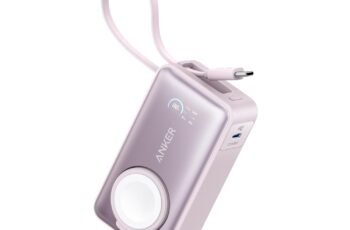
Lithium-ion batteries power portable stations with high energy density and compact design, letting you run essentials without the noise of a generator. You’ll enjoy faster charging, lower self-discharge, and better portability, even off-grid. But as you plan capacity, weight, and recharge options, you’ll weigh safety, lifespan, and thermal stability to guarantee reliable performance when you need it most. There’s more to choose and optimize—and you’ll want to reflect on how to lock in longevity.
Understanding Lithium-Ion Chemistry in Portable Power Stations
Lithium-ion chemistry in portable power stations centers on LiFePO4 for safety, stability, and long life. You’ll find LiFePO4 batteries favored for their safer, more thermally stable structure and thousands of usable cycles. This chemistry resists overheating and reduces fire risk, letting you deploy stations indoors or in travel scenarios with confidence. Compared with Li-NMC, LiFePO4 trades some energy density for longer lifespan and better safety. Weight is higher, yet optimized designs keep portability practical. You’ll notice deep discharges don’t greatly erode capacity, enabling 2,000 to 4,000 cycles before 80% capacity remains. A robust BMS monitors voltage, temperature, and state of charge, while MPPT-enabled charging and multiple ports keep your devices ready and balanced. LiFePO4 batteries are also favored for their ability to handle high current draw with improved thermal management, making them well-suited for peak loads from refrigeration or medical equipment.
Why Lithium-Ion Beats Alternatives for Mobility and Performance
You gain mobility and dependable performance from lithium-ion packs that pack more energy into smaller, lighter packages than many alternatives. Their higher energy density lets you carry compact power stations without sacrificing capacity, ideal for travel, camping, and outdoor gear. Compared with LiFePO4, you get more watt-hours in a smaller form factor, boosting laptop and small appliance usability. The resulting sleeker, ergonomic designs enhance portability while maintaining runtime. Fast charging cuts downtime, especially when power sources are scarce, and smart battery management safeguards performance during quick top-ups. Temperature stability and robust monitoring support reliable operation across climates, from winter trips to emergency scenarios. Low self-discharge keeps stored power ready, while lightweight integration enables all-in-one systems with versatile ports.
- Higher energy density enables smaller, lighter packs with equal or greater capacity
- Fast charging paired with smart management for reliable on-the-go use
- Broad temperature tolerance and low self-discharge support dependable off-grid performance
Safety and Longevity: Managing Life Cycle and Thermal Stability
Thermal stability and lifecycle health depend on disciplined charging, temperature control, and prudent usage patterns that minimize stress on the cells. You prolong cycle life by keeping DoD low, avoiding full discharges, and favoring partial charges. Partial discharge is fine; memory effects don’t apply. Lower DoD yields more cycles, and charging below 4.20 V per cell extends life. Different chemistries differ: LiFePO4 handles thousands of cycles, while cobalt chemistries hover around five hundred. EcoFlow DELTA 2 Max demonstrates ~3,000 cycles before 20% capacity loss. Maintain steady temperatures to curb capacity fade and safety risks. Use safer chemistries where possible, implement cooling, and avoid rapid charging when not needed. End-of-life reuse and proper second-life testing matter for sustainability.
| DoD/Charge | Temperature/Cycle Impact |
|---|---|
| Low DoD/Partial Charge | Slower capacity loss, more cycles |
| High Temperature | Accelerates aging, safety risk |
| Fast Charging | Additional stress; plan when necessary |
| Second-Life Testing | Guarantees suitability for storage use |
Real-World Applications: From Outdoors to Home Backup
Outdoor power needs are shifting toward quiet, lightweight lithium-ion stations that you can rely on off-grid or during outages. You’ll notice campers, hikers, and homeowners leaning on 501–1500 Wh models for a balance of portability and practical runtimes. Off-grid charging powers smartphones, cameras, GPS units, and even small portable fridges, boosting safety and convenience. With solar integration, daytime recharging extends usability in remote areas, making near-infinite sun-powered energy possible. In emergencies, these stations replace noisy, fuel-based generators, delivering essential power for communications, lighting, and medical devices. Home backup becomes safer and simpler, thanks to fuel-free reliability and quieter operations. The result is a versatile, resilient energy solution for outdoor adventures and everyday outages.
- Portable power stations for camping and home backup
- Solar-ready, longer runtimes with 501–1500 Wh
- Quiet, emissions-free operation for essential devices
Choosing the Right Lithium-Ion System: Capacity, Weight, and Recharging Options
Choosing the right lithium-ion system boils down to capacity, weight, and charging options that fit your needs. Start with capacity: small units around 280 Wh power smartphones many times, while large models exceed 3,900 Wh for broader appliance support. Your runtime and device mix hinge on this, and expandability lets you double capacity by attaching extra packs. Be aware usable capacity may be less than rated—some units offer 95% or more in practice. Next, weigh portability against power: lighter models exist, but bigger capacities add weight; LiFePO4 adds safety and longevity at the cost of extra heft. Finally, recharge options matter: AC, solar with MPPT, and car inputs, with fast charging up to 1,300 W and 600 W solar in premium units. Choose a balance that matches your usage and transport needs.
Frequently Asked Questions
How Do Temperature Fluctuations Affect Li-Ion Performance in Portable Power Stations?
Temperature fluctuations hurt Li-ion performance: cold slows chemistry, raises resistance, and cuts capacity; heat speeds degradation, raises risk of failure. Use BMS, insulation, and pre-warming; stay within 0–25°C for best charging, wider range for discharge.
What Are Common Myths About Charging Li-Ion Packs on the Go?
Charging Li-ion packs on the go isn’t dangerous if you use a safe charger with a good BMS. Don’t rely on old myths—top up regularly, avoid full drains, and keep charging in well-ventilated spots. You’ll preserve longevity.
Can Li-Ion Batteries Be Safely Disposed of at Home Without Special Facilities?
No, you can’t safely dispose of Li-ion batteries at home without special facilities. Take them to certified recycling centers, hazardous waste programs, or retailer take-back sites to prevent fires, leaks, and environmental harm. Keep terminals taped until disposal.
How Do Charging Speeds Impact Battery Health Over Time?
Charging speeds influence battery health: faster charging can stress cells, raise temps, and hasten degradation, especially at high SOC or poor cooling; ideal practice slows wear with moderate charging, good thermal management, and avoiding extremes in voltage ranges.
Do Li-Ion Packs Lose Capacity When Stored Long-Term Without Use?
Yes, they lose capacity over long storage. You minimize loss by keeping packs around 50% charged, storing below 20°C, and cycling every 6–12 months; avoid full or empty states and frequent high-temperature exposure.
Conclusion
You’ll feel the pulse of power in your backpack—a tiny dragon sleeping in a brick-sized shell, roaring to life at the flip of a switch. Your charges sprint like cheetahs, batteries never tantrum, and your camping nights glow like neon constellations. When storms loom, this lithium fortress rides the wind, sipping sunshine and shade alike. Quiet, brave, and endlessly reliable, it turns every gadget into a loyal sidekick on your wild, off-grid adventures.