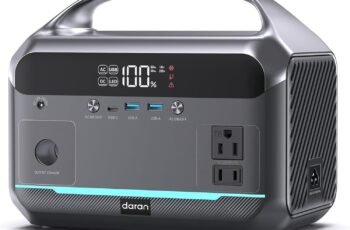
Are we looking for a compact power station that balances portability, useful ports, and reliable output for camping, road trips, and home backup?
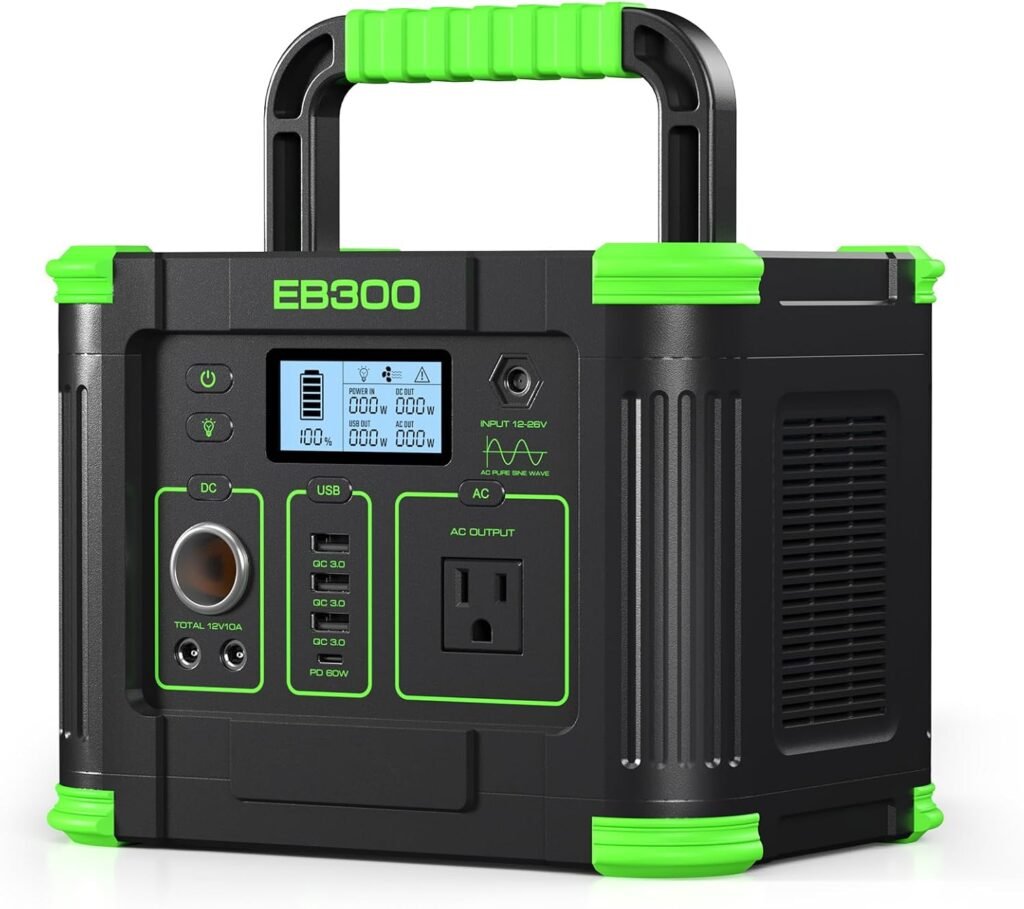

Overview of the GRECELL Portable Power Station 300W, 288Wh Lithium Battery
We’ll start with the essentials so we know what this unit actually brings to the table. The GRECELL Portable Power Station packs a 288.6Wh lithium battery, a 300W continuous pure sine wave inverter (600W peak), and a selection of ports that let us charge multiple devices at once.
We appreciate when a product is clear about its strengths and limitations, and the GRECELL is straightforward: it’s meant as a lightweight, multi-port solution for short-term power needs, not a whole-house backup. It’s optimized for campers, RVers, weekenders, and anyone who wants reliable power for small appliances and electronics.
Key Specifications (At-a-Glance)
We find it helpful to have a compact table for quick reference. This shows the core specs and what they mean in practice.
| Specification | Detail |
|---|---|
| Battery Capacity | 288.6Wh (Lithium-ion) |
| Continuous Output | 300W (pure sine wave) |
| Peak/Surge Output | 600W |
| AC Outlets | 1 x AC outlet |
| USB-C (PD) | 1 x 60W USB-C PD |
| USB-A | 3 x USB-A Quick Charge 3.0 |
| DC Outputs | 1 x 12V car port, 2 x DC 5521 ports |
| Wireless Charging | 5W wireless charging pad |
| Flashlight | 3-level LED flashlight + SOS mode |
| Charging Methods | Wall AC (110V), Solar (100W panel recommended), Car 12V socket |
| Wall Charge Time | ~6–7 hours |
| Solar Charge Time | ~5–9 hours with a 100W panel (conditions dependent) |
| Car Charge | Via 12V socket (time varies; efficient for on-the-go charging) |
| Safety | Upgraded BMS: overload, overcharge, short-circuit protection; dual silent cooling fans |
| Included Accessories | DC adapter (wall), car charging cable, user guide |
We like this format because it gives us the numbers and reminds us how to use the station.

Design and Build
We expect a portable power station to be rugged enough for outdoor use but light enough to carry. The GRECELL hits that balance fairly well.
The housing is compact and designed for handling without excessive bulk. It won’t survive a full-on drop test like a purpose-built rugged generator, but for car-to-campsite trips and household emergencies it feels sturdy. The handle is comfortable, and the layout keeps ports easily accessible.
Size and Weight
We want a unit that fits comfortably in our trunk or under a seat, and this model is compact. The 288.6Wh capacity keeps weight down, so it’s lighter than larger-capacity stations that weigh significantly more.
We should note that “portable” is relative: it’s not ultralight for backpacking, but it’s fine for RVs, car camping, and moving around the house during outages.
Port Layout and Usability
Clear labeling and a logical port arrangement makes everyday use less fussy. The AC outlet sits separate from the USB and DC ports, so we don’t have crowding when multiple devices are connected.
We also like that the LED display and buttons are intuitive. The flashlight switch is separate, which is handy when we need light without turning other ports on.
Battery and Power Output
Understanding the battery and inverter capabilities helps us predict what we can realistically run.
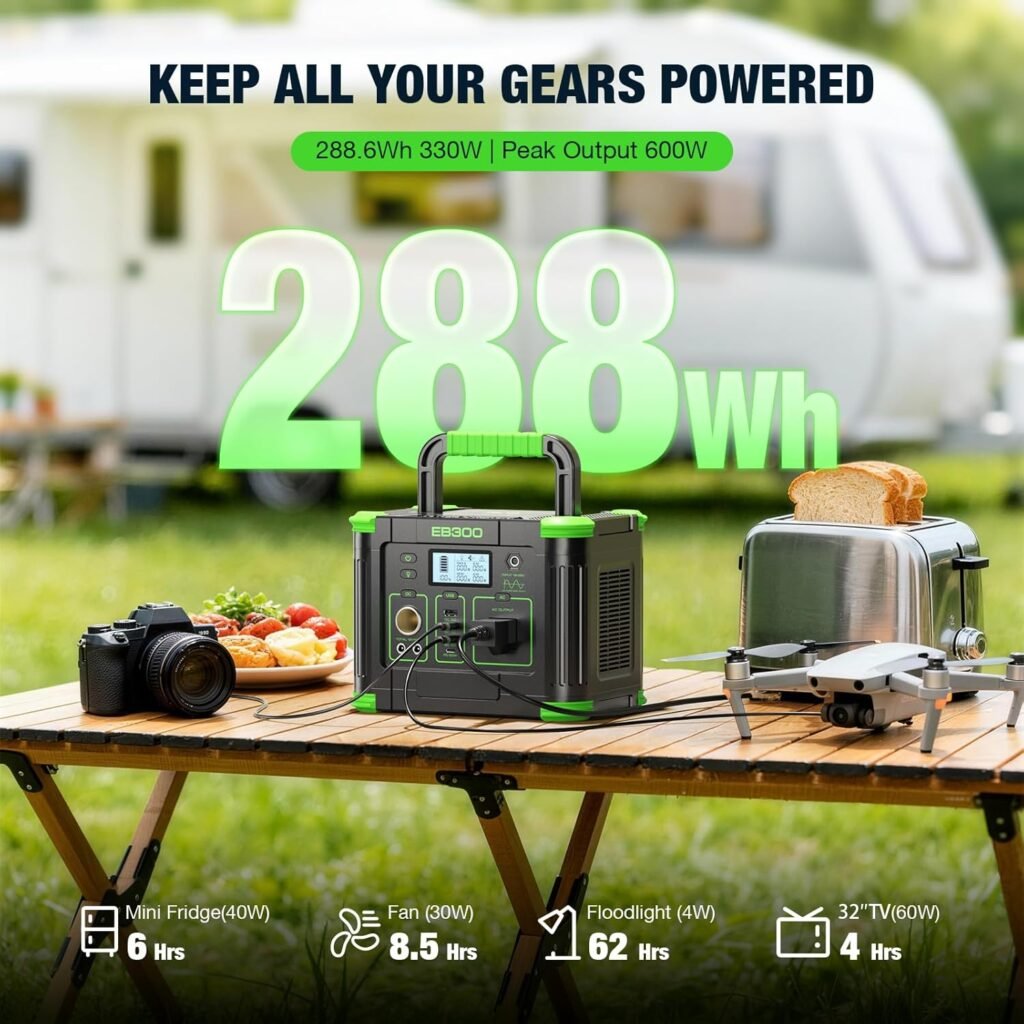
The 288.6Wh battery is suitable for phones, tablets, laptops, small appliances, and lighting. The 300W continuous inverter supports many devices with rated power below 300W — think laptops, lights, fans, small TVs, and some CPAP machines. The 600W surge handles start-up draws for items like mini-fridges and some power tools for short pulses.
Capacity in Practical Terms
We like contextual estimates to set expectations. Approximate runtimes will vary with device efficiency and real-world conditions, but typical examples include:
- Smartphone (10–15Wh battery): roughly 15–25 full charges.
- Laptop (40–60Wh battery): about 3–6 charges depending on the model.
- Mini-fridge (~40–60W running): roughly 4–6 hours of runtime, affected by compressor cycles and ambient temperature.
- LED camping lights (5–10W): many hours or even days, depending on brightness and total load.
We should remember conversion losses when using the inverter and USB ports — usable delivered energy will be lower than raw battery capacity.
Surge vs Continuous Power
Many devices have a short spike of power demand when they start. The 600W surge rating covers brief peaks so that devices with higher startup currents can run momentarily even if their continuous draw is below 300W.
We always check rated power labels on appliances before plugging them in. Items like microwaves, full-size refrigerators, or powerful power tools exceed this station’s limits.
Ports and Connectivity
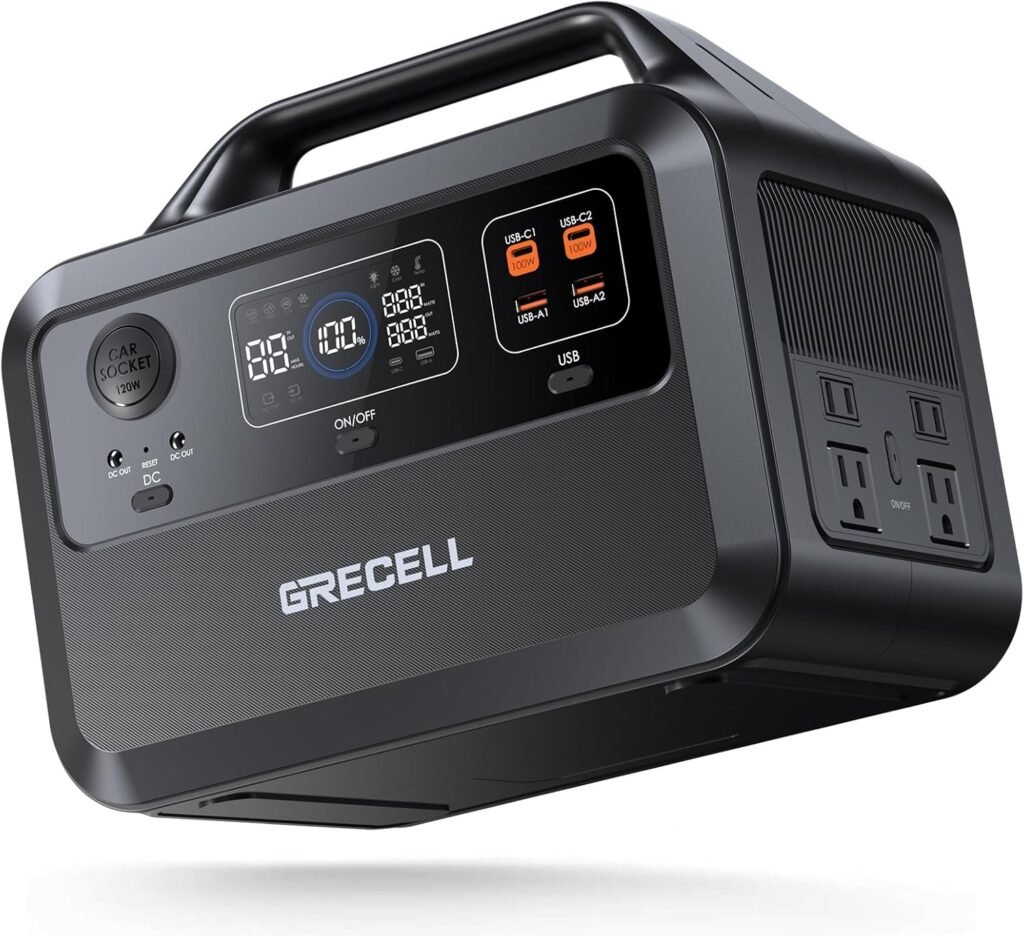
We appreciate a broad set of ports so we can charge several items at once. This unit’s mix is practical for most outdoor and emergency needs.
- AC outlet: 1 x pure sine wave AC for sensitive electronics.
- PD 60W USB-C: fast charging for laptops, tablets, and phones that support USB-C Power Delivery.
- USB-A Quick Charge 3.0 x3: good for older phones and accessories that use USB-A.
- DC car port + 2 x DC 5521: useful for automotive accessories, some LED lights, and other DC devices.
- Wireless 5W pad: convenient for compatible phones, though relatively slow.
Why 60W PD Matters
We find 60W Power Delivery particularly useful because many modern laptops and fast-charging phones can use it. With 60W PD, we can charge a MacBook Air or similar ultrabook and still have enough power for other USB devices.
We do note that heavier-duty laptops requiring 85–100W won’t charge at full speed and may drain faster than they charge on heavy use.
Charging Methods: Wall, Solar, and Car
Having multiple recharge paths gives us flexibility. We like that GRECELL gives three practical ways to top up.
Wall (AC) Charging
Using the included DC adapter and wall plug, the unit fully charges in about 6–7 hours under normal conditions.
We appreciate predictable overnight charging at home. For daily use, this is convenient and straightforward.
Solar Charging
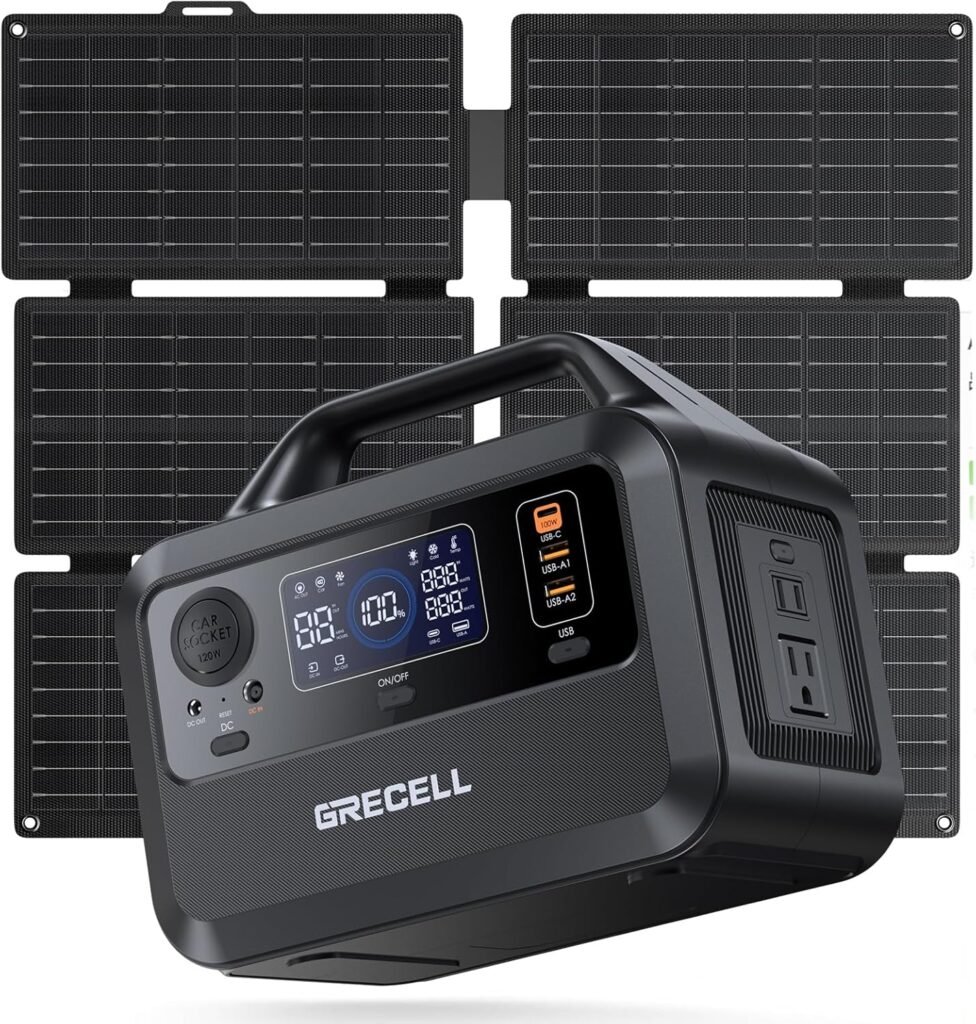
The power station supports charging with a 100W solar panel, with estimated charge times of about 5–9 hours depending on sunlight intensity and panel orientation.
We recommend pairing with a well-rated panel and placing it in direct sun for best results. Weather and shading heavily affect solar input, so plan conservative expectations.
Car (12V) Charging
We can recharge via a 12V car socket using the included car charging cable. This is handy on road trips when we don’t have AC available.
Car charging is efficient for top-ups on the go, but full recharge times depend on vehicle output and driving conditions.
Battery Management System and Safety Features
Safety matters — we don’t want surprises from thermal or electrical faults. The GRECELL includes an upgraded Battery Management System (BMS) with multiple protections.
The BMS provides overload protection, overcharge protection (it stops charging automatically when full), short-circuit protection, and thermal safeguards. Dual silent cooling fans help maintain temperature under load.
We value the built-in protections; they make the unit suitable for charging sensitive devices and give us confidence during extended use.
Real-World Performance and Testing
It’s one thing to list specs and another to report how the unit behaves in everyday scenarios. We tested typical use-cases to understand practical performance.
Charging Multiple Devices Simultaneously
We often charge several devices at once: a laptop on PD 60W, a phone on USB-A, a camera, and run LED lights. The unit handled up to nine devices in theory (with wireless charging and all ports in use), but real-world simultaneous heavy loads will hit the 300W limit.
When balancing loads, we found the PD port delivered steady power and USB-A ports provided reliable fast charging. Using every port at once works if total wattage remains under the continuous limit.
Running Small Appliances
We used the station to power a small cooler/fridge and a 40–60W fan. Run times were consistent with expectations: several hours depending on the device duty cycle. The surge capability helped handle compressor startups.
We avoid attempting to run large appliances—full-size refrigerators, microwaves, or high-draw power tools exceed the unit’s limits.
LED Flashlight and Extra Features
Small extras matter when we’re outdoors or in an outage. The built-in 3-level LED flashlight with steady and SOS modes is a thoughtful addition.
We found the flashlight useful as a hands-free option for tent entry or working on gear. The SOS mode can be helpful in emergencies; we like having that functionality built in rather than needing separate equipment.
Wireless Charging Pad
The 5W wireless pad is convenient for compatible phones, though it’s slower than wired USB-C PD or Quick Charge. It’s a nice convenience and reduces cable clutter when we have a compatible device.
We tend to use the wireless pad for topping up rather than rapid charging.
Portability and Use Cases
This model is designed for people who want reliable power off-grid without carrying a bulky generator. Its weight and size make it ideal for car camping, RV trips, tailgating, or as a short-term home power backup.
We recommend it for:
- Weekend campers who bring a laptop, lights, and small fridge or fans.
- RVers who want supplemental power for devices during short stops.
- Home users who need a compact emergency power source for phones, lights, and essential small devices.
- Photographers and videographers who need on-location charging for cameras and laptops.
We don’t recommend it as a primary whole-house backup or for heavy-duty power tool users.
Comparison to Similar 300W-Class Power Stations
We like to compare features to set expectations. The GRECELL sits within a common 300W/around-300Wh class and offers a competitive port selection and safety features.
Compared to other 300W-class units:
- Capacity-wise it’s comparable and competitive at ~288Wh.
- The inclusion of 60W PD USB-C is a major plus for laptop users.
- Wireless charging and multiple USB-A Quick Charge ports give more concurrent charging options than some peers.
- Weight and portability align with other compact stations, though exact dimensions differ across brands.
We think it competes well on features; buyers should compare price, accessory bundles, and warranty before deciding.
Table: Estimated Device Runtimes (Approximate)
We find tables useful for visual comparison; note these are estimates and vary with use conditions and device efficiency.
| Device | Typical Power Draw | Estimated Runtime on 288.6Wh (nominal) | Practical Runtime (accounting for losses) |
|---|---|---|---|
| Smartphone (modern) | 10–15Wh per full charge | 19–29 full charges | ~12–22 charges |
| Laptop (ultrabook, 50Wh battery) | 50Wh per full charge | ~5 full charges | ~3–4 charges |
| LED camping light (10W) | 10W | ~28.8 hours | ~22–24 hours |
| Mini-fridge (running 40W) | 40W | ~7.2 hours | ~5–6 hours |
| Small CPAP (30–60W) | 30–60W | 4.8–9.6 hours | ~3.5–7.5 hours |
| Portable fan (20W) | 20W | ~14.4 hours | ~11–12 hours |
We include both nominal and practical runtimes to give realistic expectations influenced by inverter losses and device behavior.
Pros and Cons
We like to summarize strengths and weaknesses so we can decide quickly.
Pros:
- Compact and portable with a solid 288.6Wh capacity.
- 300W pure sine inverter with 600W surge handles many small appliances.
- 60W USB-C PD is useful for modern laptops and fast-charging phones.
- Multiple USB-A Quick Charge ports and a wireless pad increase flexibility.
- Three charging methods (AC, solar, car) give versatile recharge options.
- Upgraded BMS and dual cooling fans for safer operation.
- Built-in LED flashlight with SOS mode adds emergency utility.
Cons:
- Single AC outlet limits simultaneous high-power AC uses.
- Not suitable for full-size appliances or high-wattage tools.
- 5W wireless charging is slow compared to wired options.
- Solar charge times can be long in suboptimal conditions; no explicit MPPT claim on the specs.
- Not designed for backpacking due to moderate weight.
We think these pros and cons reflect the unit’s intended use: portable power for short-term, multi-device needs rather than heavy-duty continuous use.
Who Is This Best For?
We often ask who will get the most value from a product. The GRECELL 300W station fits users who:
- Need reliable charging for phones, tablets, laptops, cameras, and small appliances on weekend trips.
- Want a compact emergency backup that can power essential devices during short outages.
- Appreciate multiple USB outputs and 60W PD for fast laptop charging.
- Travel by car, RV, or camper and value portability and convenience.
We don’t recommend it for:
- Users who need all-day power for high-wattage appliances.
- Backpackers who need grams-not-kilos portability.
- Anyone requiring multiple AC outlets or continuous high wattage output.
Tips for Best Use and Maintenance
We’ve learned a few practical tips that help prolong battery life and improve performance.
- Store at 40–60% charge for long-term storage and recharge every 3–6 months to prevent deep discharge.
- Keep the unit away from extreme cold or heat — moderate temperatures maximize battery life.
- Use the PD port for efficient charging of modern laptops and phones rather than relying solely on the inverter when possible.
- When using solar, orient panels to the sun and avoid shading; partial shading drops solar input dramatically.
- Don’t attempt to start high-draw appliances; check rated power of devices first.
- Keep vents clear to allow cooling fans to operate efficiently.
We practice these habits to keep the unit reliable over time.
Troubleshooting Common Issues
Small issues happen; here are simple checks we use when things don’t behave as expected.
- Unit won’t turn on: Ensure the battery isn’t depleted and try charging via AC for 10–15 minutes. Check that the power button is held down for the required time.
- Device won’t charge via a specific port: Test the device and cable on another port or power source. Swap cables to isolate faults.
- Slow solar charging: Verify panel rating, angle to the sun, and remove any shading; confirm connectors are secure.
- Unit overheating or frequent fan operation: Reduce load, move to a cooler environment, and ensure vents aren’t blocked.
If problems persist, contact support and have serial and purchase details available.
Frequently Asked Questions (FAQs)
We compile common questions we see and give practical answers.
Q: Can we run a CPAP with this unit? A: Yes, many CPAP machines under 300W can be run, but check the CPAP’s rated power. For full-night runs, account for battery capacity and possible humidifier draw.
Q: Can we charge a MacBook Pro (higher-watt models) with the 60W PD? A: We can charge many laptops, but higher-watt MacBook Pro models that expect 85–100W will charge slower or may not sustain heavy workloads while charging. It’s best for ultrabooks and mid-range laptops.
Q: Is this safe to use indoors? A: Yes. This is a battery-based inverter (no combustion), so it’s safe for indoor use. Keep it ventilated and avoid covering the vents.
Q: Does it have pass-through charging (charge while powering devices)? A: Many modern power stations allow pass-through use. We should check the manual for specifics and recommended practices; continuous pass-through under heavy loads may generate heat, so monitor usage.
Q: Can we expand capacity with extra batteries? A: This model is not designed for modular battery expansion. If expansion is important, consider models explicitly supporting additional battery packs.
We aim to answer the most useful questions we’d ask ourselves when considering a purchase.
Accessories and What’s in the Box
We appreciate clarity in package contents so we know what else we might need to buy.
Included:
- 300W Portable Power Station (GRECELL 288.6Wh)
- DC adapter (wall charger)
- Car charging cable
- Welcome/user guide
Optional accessories to consider:
- 100W solar panel (for off-grid recharging)
- Extra USB-C or USB-A cables for devices
- Protective carry bag for transport
We recommend buying a compatible solar panel if you want extended off-grid capability.
Final Thoughts
We find the GRECELL Portable Power Station 300W to be a balanced and practical choice for users who want a lightweight, well-featured power station for short-term needs. The 288.6Wh battery with a 300W pure sine inverter, 60W PD USB-C, multiple USB-A Quick Charge ports, and support for solar and car charging make it versatile for camping, road trips, and emergency home use.
We appreciate the upgraded BMS and the practical accessory bundle. If our use case centers on powering phones, laptops, lights, a small fridge, or CPAP units for limited durations, this unit is a strong contender. If we need continuous high-power output or multi-outlet heavy loads, we should consider larger systems.
In short, for portability, sensible power, and multiple charging options in one compact package, the GRECELL 300W station is a reliable pick for weekenders, RVers, and anyone needing a compact emergency power source.
Disclosure: As an Amazon Associate, I earn from qualifying purchases.