Disclosure: As an Amazon Associate, I earn from qualifying purchases.
Have we ever wished our whole home could stay powered, controlled, and efficient without us constantly worrying about outages and energy bills?
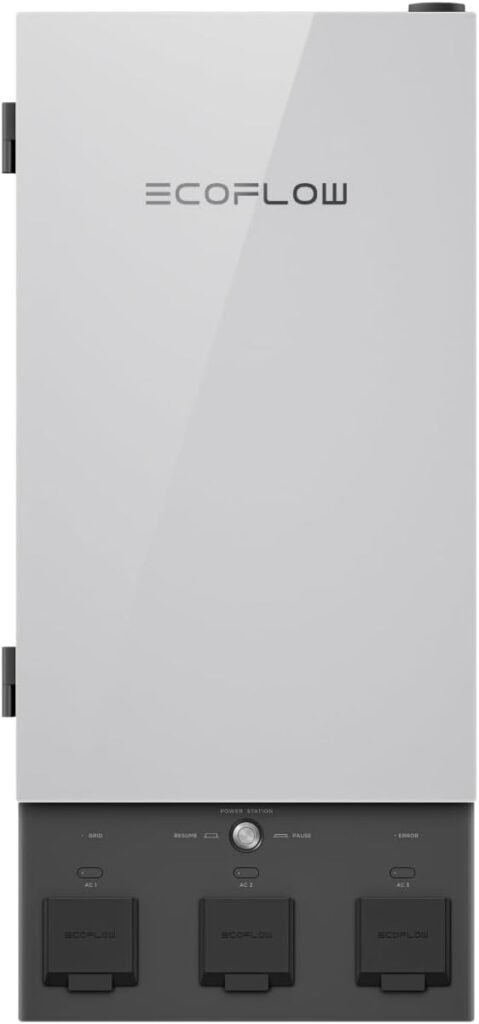

What Is the EF ECOFLOW Smart Home Panel 2?
The EF ECOFLOW Smart Home Panel 2 is a smart, centralized hub that connects our home’s electrical circuits with EcoFlow energy storage and backup products. Instead of juggling separate batteries, generators, and solar systems, this panel acts as the brain and bridge of the entire backup and energy management setup.
We can think of it as the control center of our home power ecosystem. It manages where our energy comes from (grid, solar, batteries, gas generator) and where it goes (our circuits, appliances, essential loads), all while giving us a more seamless, automated backup experience.
Who Is This Smart Home Panel Really For?
This system is not just for tech enthusiasts or off-grid adventurers. It’s built for households that want reliable backup power for everything from daily essentials to whole-home coverage. Whether we work from home, run high-demand appliances, or live somewhere with frequent outages, this panel is designed to keep our lives running smoothly.
We might also appreciate it if we’re conscious about long-term energy savings and want to integrate solar and smart controls without having to piece together complicated components ourselves.
Key Features at a Glance
To give us a quick overview, here’s a breakdown of the main capabilities and reasons we might consider the Smart Home Panel 2:
| Feature | What It Means for Us | Why It Matters |
|---|---|---|
| Whole-home backup hub | Central unit that connects to DELTA Pro Ultra or DELTA Pro 3 setups | One brain for our backup & energy system |
| Supports multiple inverters | Up to 3 plug-and-play inverters with DELTA Pro Ultra | Scales up for larger homes and higher power needs |
| High-capacity energy storage | Up to 15 × 6kWh batteries with DELTA Pro Ultra or 36kWh with DELTA Pro 3 combos | Long runtimes during outages, more comfort and stability |
| Solar and gas generator integration | Can manage solar inputs and connect to compatible gas generators | Flexible energy sources to suit weather, budget, and usage |
| 20 ms automatic switchover | Transfers to backup power nearly instantly during an outage | Lights and devices stay on without manual switching |
| Smart energy management | Optimizes when and how we use grid vs stored energy | Potential savings on electricity bills and better energy awareness |
| App-based control (via EcoFlow ecosystem) | Remote monitoring, control, and scheduling on smartphone | Convenient, modern, and easier than manual toggles |
With that overview in mind, we can look closer at each aspect to see whether this fits our home and lifestyle.

Whole-Home Backup: What Can It Actually Power?
The Smart Home Panel 2 is designed for whole-home backup, not just a few outlets or a couple of devices. Its main role is to tie our main circuits into the EcoFlow backup system so that, during an outage, we can keep running everything from lights to HVAC, fridges, internet, and more—depending on how we configure it.
We are not just plugging in a portable power station to a single extension cord. Instead, our home’s wiring is integrated with the panel so the switch from grid to backup happens nearly seamlessly and across multiple circuits.
Integration With DELTA Pro Ultra
When we combine Smart Home Panel 2 with EcoFlow DELTA Pro Ultra, that’s where we unlock its maximum potential. DELTA Pro Ultra is a modular, high-capacity system made for serious whole-home backup and even partial off-grid scenarios.
With the panel and DELTA Pro Ultra, we can:
- Use up to 3 plug-and-play inverters
- Connect as many as 15 stackable 6kWh batteries
- Reach massive storage capacity for extended outages or higher daily use
This configuration is ideal if we want to run large loads like central air conditioning, electric ovens, well pumps, or multiple high-draw appliances at once.
Integration With DELTA Pro 3
If we prefer the DELTA Pro 3 ecosystem, we can still get serious energy storage and backup capabilities. The Smart Home Panel 2 is compatible with:
- Up to 3 × EcoFlow DELTA Pro 3 units
- Along with 6 × Extra Batteries
- For a total energy capacity of up to 36kWh
This is more than enough for many homes to power essentials for several days, especially if combined with solar. It suits us if we want powerful backup but perhaps don’t need the same scale as ultra-large setups.
How Expansion and Scalability Work
One of the most impressive things about the Smart Home Panel 2 is its scalability. We are not locked into a single, fixed configuration. Instead, we can start small and expand as our needs, budget, or home setup change over time.
We can build our system something like this:
| Stage of Setup | Example Components | Typical Use Case |
|---|---|---|
| Starter backup | 1× DELTA Pro 3 or 1× DELTA Pro Ultra + panel | Essential circuits like fridge, lights, Wi-Fi |
| Intermediate expansion | Add Extra Batteries or more inverters | Longer runtimes, support for more rooms and appliances |
| Full whole-home system | Multiple inverters + multiple batteries | Whole-home coverage including large appliances |
This modular approach means we can add more storage if outages become more frequent, if we install more solar, or if our family’s energy usage grows.
Smart Energy Management: How It Helps Our Wallet
The Smart Home Panel 2 is not just a backup-only device; it also supports day-to-day energy optimization. By managing multiple energy sources—grid, solar, batteries, and generator—it can help us use cleaner and cheaper energy where possible.
We can set preferences such as using solar and stored power during peak utility rates and switching to grid power when rates are low. Depending on our electricity plan, this can meaningfully reduce monthly bills over time.
Using Solar Power Effectively
When we integrate solar panels with EcoFlow systems, the Smart Home Panel 2 helps make sure that energy doesn’t go to waste. It can:
- Prioritize powering our home from solar during sunny hours
- Store excess solar energy in our connected batteries
- Reduce the amount of power we pull from the grid
We end up making smarter use of the sun instead of just sending extra power away or letting panels sit underused.
Balancing Between Grid and Stored Energy
In many regions, electricity prices vary by time of day. With a setup built around the Smart Home Panel 2, we can choose to:
- Charge batteries when grid electricity is cheaper
- Discharge stored energy to our home when grid rates are high
- Create automatic schedules that run in the background
This kind of time-of-use strategy is where “smart management” really pays off. We are using the same appliances as before, but our energy profile becomes much more efficient.
Solar, Gas, and Grid: Multiple Energy Sources in Harmony
The Smart Home Panel 2 is built to handle multiple energy inputs so that we’re not dependent on a single source. This flexibility is perfect if we live in an area where weather, grid issues, or other factors might disrupt one energy option.
We basically get a hybrid power system that can adapt to our reality, instead of us adapting to outages and unpredictability.
Solar Integration for Green, Low-Cost Power
If we already have solar or are considering adding panels, the panel’s ability to work with EcoFlow solar gear is a big advantage. It manages solar as a primary or supplemental source to:
- Power circuits directly when sunlight is strong
- Charge our batteries during the day
- Extend our backup coverage at night using stored solar energy
We end up using more green power without making our lives more complicated. The system simply pulls from the most sensible source available at the time.
Gas Generator Compatibility
When the weather doesn’t cooperate and prolonged outages stretch beyond what our solar and batteries can handle, gas generators become a backup to the backup. Smart Home Panel 2 is compatible with:
- EcoFlow Smart Generator 4000 (Dual Fuel)
- As well as most portable gas generators in the 3–12kW range
That means we can connect a wide variety of generators, not just EcoFlow-branded ones, as long as they fit the power range. During multi-day outages or storms, the system can lean on a generator to keep batteries charged and our home powered.
How It All Works Together During an Outage
In a real outage scenario, our ideal sequence might look like this:
- Grid goes down
- Smart Home Panel 2 switches us to battery power in about 20 ms
- Solar (if available) refills the batteries during daytime
- If solar is insufficient or weather is bad, we can use the gas generator
- Panel distributes the available power to circuits according to our setup
We don’t have to micromanage the energy flows. We just choose our preferences and priorities, and the panel coordinates the different sources.
The 20-ms Auto-Switchover: What That Actually Feels Like
A 20-millisecond switchover may sound like just a technical metric, but in day-to-day life it means the outage can be almost unnoticeable for many devices. While some ultra-sensitive gear might briefly detect a change, most household equipment—like lights, Wi-Fi routers, and refrigerators—can continue without obvious interruption.
We don’t have to run to the garage, flip manual switches, or drag cords around. The system recognizes the outage and moves to backup nearly instantly, even if we’re not at home.
Why Automatic Switchover Matters to Us
We benefit from that quick, automatic switching in several real-world ways:
- No fumbling around in the dark to turn on a generator
- Food in the fridge and freezer stays safe more reliably
- Our home office or remote work setup stays online longer
- Security cameras, smart locks, and networking remain up
If our area gets frequent short-term outages, this seamless transition can save a lot of hassle and stress.
Control and Monitoring Through the EcoFlow Ecosystem
While the panel’s built-in intelligence does a lot automatically, we still get robust control and monitoring options through the EcoFlow app (when paired with compatible EcoFlow products). This turns what could be a “black box” electrical system into a visible, understandable dashboard we can interact with.
We can keep track of how much energy we’re generating, using, and storing, which helps us make smarter decisions about consumption.
Everyday Actions We Can Take in the App
Within the EcoFlow ecosystem, we can typically do things like:
- See real-time power usage on different circuits
- Monitor battery levels and charging status
- Switch modes (like backup priority, cost-saving, or custom)
- Set schedules for charging and discharging based on time-of-use rates
These controls help us tailor the system not only to emergencies but also to our regular habits and preferences.
Learning From Our Own Energy Data
Over weeks and months, we start to see patterns: which appliances are heavy users, when our peak usage occurs, and how effective our solar is across seasons. That information lets us answer questions like:
- Should we add more battery capacity?
- Is our solar array the right size for our lifestyle?
- Do we want to change our usage patterns to cut costs further?
Instead of guessing, we’re basing decisions on real data from our own home.
Installation Considerations and Professional Setup
Because Smart Home Panel 2 connects directly with our home’s electrical circuits, professional installation is effectively a requirement. We are dealing with high-voltage systems and critical safety elements, so it’s not the kind of device we casually mount and plug into an outlet.
A licensed electrician experienced with backup or solar integration is the right choice to ensure code compliance, reliable operation, and safe wiring.
What to Expect During Installation
The typical process usually involves steps like:
- Assessing our existing electrical panel and main service
- Deciding which circuits we want on backup (essential vs whole-home)
- Mounting and wiring the Smart Home Panel 2
- Integrating with DELTA Pro Ultra or DELTA Pro 3 units
- Testing automatic switchover and verifying circuits
We should plan for some downtime during installation and coordinate with the installer on when our main power might be momentarily cut for wiring.
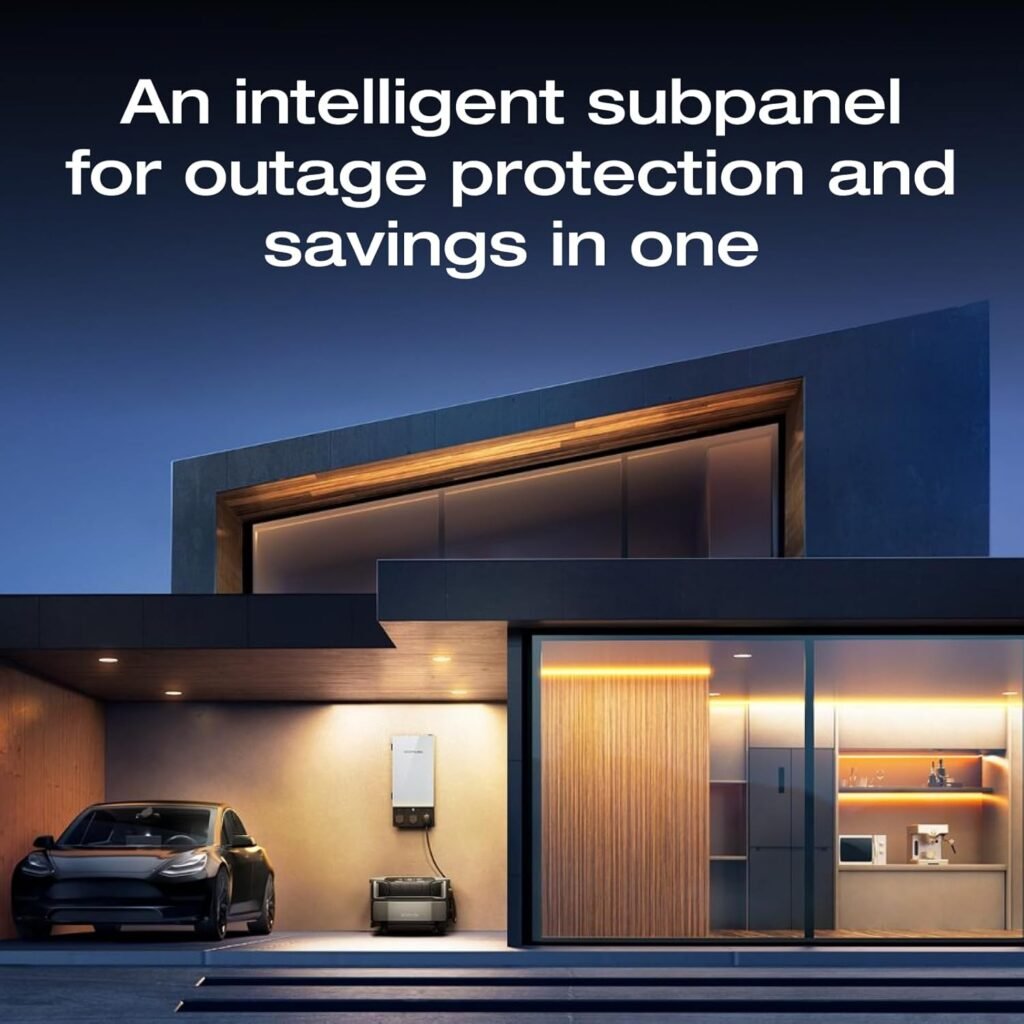
Space and Placement
The panel is usually installed near our main breaker panel or wherever our primary electrical service enters the home. We need to ensure:
- Sufficient wall space
- Reasonable access for maintenance and inspection
- Ventilation and compliance with electrical codes
If we’re planning a new build or major renovation, it can be particularly convenient to plan for this panel and system from the beginning.
Pros and Cons From a Homeowner’s Perspective
No product is perfect for every situation, and Smart Home Panel 2 is no exception. We get strong capabilities, but with the complexity and costs that accompany a serious whole-home energy system.
To summarize what we might appreciate most and where we might hesitate, here’s a practical overview:
| Pros | Cons / Considerations |
|---|---|
| True whole-home backup capability | Requires professional installation and planning |
| Compatible with DELTA Pro Ultra and Pro 3 | Upfront cost can be significant for full-featured setups |
| Extremely scalable (inverters + batteries) | May be more than we need if we only want a small, portable backup |
| Smart energy management for cost savings | We need to be comfortable using an app and smart features |
| Integrates solar, batteries, and gas generators | Complexity of design: ideal configs may need expert guidance |
| Ultra-fast 20-ms auto-switchover | Not a plug-and-play gadget; this is infrastructure-level equipment |
We should weigh these aspects against our own priorities: Are we mostly worried about outages, or also long-term energy costs? Do we want robust automation, or will we feel overwhelmed by options?
Everyday Scenarios Where Smart Home Panel 2 Shines
Sometimes it helps to picture real situations instead of just reading technical specs. Let’s look at a few everyday scenarios where this product becomes genuinely valuable for us.
Scenario 1: Working From Home During an Outage
Many of us work remotely now, and reliable power is essential. With Smart Home Panel 2 set up with DELTA Pro Ultra or DELTA Pro 3:
- Our modem, router, computers, and monitors stay powered during an outage
- We can keep heating or cooling running, depending on system size
- Video meetings and deadlines don’t get interrupted
Instead of scrambling to find a coffee shop with power, our home remains the reliable office we need.
Scenario 2: Protecting Food and Comfort During a Storm
A multi-day storm knocks out the grid, and utility crews are delayed. With a properly configured system:
- Refrigerators and freezers keep working, preventing food spoilage
- Sump pumps, if we have them, can keep our basement dry
- We can still use electric stoves, microwaves, or small cookers (depending on power capacity)
- Home remains lit, and we maintain heating or partial cooling
Each of those things drastically reduces the stress and inconvenience of a long outage.
Scenario 3: Reducing Monthly Bills With Solar and Smart Controls
Even when the grid is fine, our system can still work for us financially:
- Solar panels produce energy during the day
- Smart Home Panel 2 directs that energy to our home and batteries
- We set the system to use stored energy during peak-rate hours
- Grid power is used mainly when it’s cheapest
Over months and years, those savings can offset a meaningful portion of our investment in the system, depending on local rates and solar conditions.
Future-Proofing Our Home Energy Setup
Energy systems, regulations, and utility pricing models are evolving quickly. Many of us are thinking longer term: What about EV charging? What if our area starts incentivizing home storage or penalizing high-peak grid usage?
By installing a flexible hub like Smart Home Panel 2, we put ourselves in a better position to adapt. As EcoFlow expands compatible products or adds features, and as utility programs change, our existing infrastructure has room to grow and adjust.
We are not locked into a single narrow use case. Instead, we are building a foundation for years of upgrades, expansions, and new integrations.
Considering EVs and High-Demand Loads
We might not have an EV today, but in five years, there’s a good chance many of us either will or will be considering one. The panel’s ability to manage substantial loads, especially in combination with systems like DELTA Pro Ultra, means:
- We may be able to support partial or full EV charging during outages
- High-demand appliances can be intelligently managed and prioritized
- We can design our energy system around tomorrow’s needs, not yesterday’s
If we are planning for the future, this sort of capacity and flexibility is a major advantage.
Comparing Smart Home Panel 2 to Simpler Backup Options
We might be wondering whether we could just buy a single portable power station or a small generator instead of a panel-based system. The comparison really comes down to scale, convenience, and integration.
- A standalone power station is great if we only need a few devices powered and are comfortable with extension cords.
- A basic generator can provide plenty of power but often requires manual startup, fuel management, and can’t run as seamlessly with our circuits.
- Smart Home Panel 2, by contrast, turns backup into part of our home infrastructure with automatic switching, integration of multiple sources, and whole-circuit coverage.
If we only want minimal emergency backup, the panel might be overkill. If we want our home to feel “normal” even during outages, this is where the Smart Home Panel 2 shines.
How It Feels to Live With a System Like This
Beyond the specs, what we’re really buying is peace of mind and a sense of control over our energy. Once installed and configured, day-to-day life with Smart Home Panel 2 supported by EcoFlow storage might look like this:
- We get notifications and data on our phones instead of surprises at the breaker box.
- When storms are forecast, we know our backup is ready without hauling equipment around.
- We can brag (just a little) that our home is smarter and greener when friends ask about our solar or backup.
- Outages shift from being crises to being mild inconveniences—if we notice them at all.
It becomes one of those systems that fades into the background while quietly protecting our comfort and routines.
Things We Should Decide Before Buying
Before we commit to Smart Home Panel 2 as our backup hub, it helps to answer a few key questions for ourselves:
-
How much of our home do we want to keep powered during outages?
Just essentials, or nearly everything? -
What kind of runtime do we expect?
A few hours, a day, or multiple days? -
Are we planning on adding or expanding solar?
If so, this panel grows in value. -
Are we willing to invest in professional installation and system design?
This is electrical infrastructure, not a quick gadget. -
Do we want the option to add a gas generator as a secondary backup?
If our area gets prolonged outages, it may be wise.
Answering these questions will help us size the rest of our system—number of batteries, whether to choose DELTA Pro Ultra or DELTA Pro 3, and how many circuits to back up.
Our Overall Take on EF ECOFLOW Smart Home Panel 2
EF ECOFLOW Smart Home Panel 2 is essentially the centerpiece of a serious, modern home energy ecosystem. It’s not trying to be a simple plug-and-play solution; it’s designed as infrastructure-level equipment that ties together batteries, solar, and generators into a cohesive, intelligent whole-home system.
We gain:
- Automatic, nearly instant whole-home backup
- A flexible, scalable architecture that can grow with our needs
- Smart-day-to-day energy management for potential savings
- Integration of renewable and conventional power sources
We need to be ready for the upfront investment and complexity that comes with a professional-grade solution. But for households that value reliability, control, and long-term flexibility, Smart Home Panel 2 can serve as a powerful foundation for a resilient, efficient home energy setup.
If our goal is to feel confident that our home will stay running—through storms, grid hiccups, and rising energy costs—this product, paired with DELTA Pro Ultra or DELTA Pro 3, gives us the tools to make that a practical reality rather than just a hopeful idea.