Disclosure: As an Amazon Associate, I earn from qualifying purchases.
Have we found the right portable power solution for long outages, heavy-duty appliances, and off-grid adventures?

EF ECOFLOW Portable Power Station 3600Wh DELTA Pro — Quick Summary
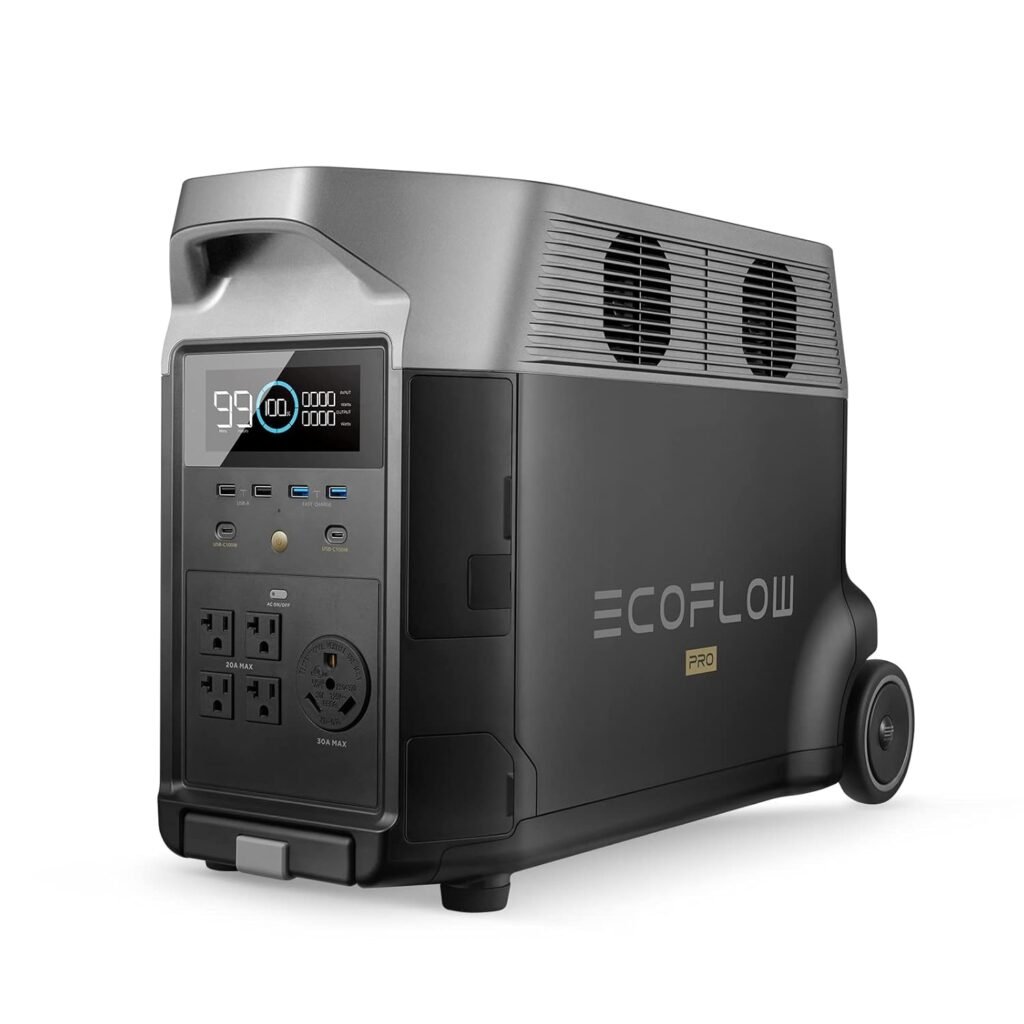
We think the EF ECOFLOW Portable Power Station 3600Wh DELTA Pro is one of the most capable consumer-grade power stations available right now. We see it as a flexible and expandable system with a large 3600Wh LiFePO4 battery, fast charging, numerous outputs, and options to scale up to 25kWh for whole-home backup.
What’s Included in the Box
We always check what comes with a new power station, because accessories and cables matter. We expect DELTA Pro to ship with the main unit, an AC charging cable, a user manual, and often connectors for solar and car charging; extra batteries and generators are sold separately.
Key Specifications
We like to have a clear snapshot of core specs before making a decision. The table below summarizes the most important technical details so we can compare quickly.
| Specification | Detail |
|---|---|
| Product Name | EF ECOFLOW Portable Power Station 3600Wh DELTA Pro, 120V AC Outlets x 5, 3600W, 2.7H Fast Charge, LiFePO4 Power Station, Solar Generator for Home Use, Power Outage, Camping, RV, Emergencies |
| Battery Capacity | 3600Wh (LiFePO4 / LFP) |
| Expandable Capacity | Up to 25kWh with Extra Batteries / Smart Generators |
| Continuous AC Output (Single Unit) | 3600W |
| Peak/Surge Output | Up to 4500W with X-Boost technology (depending on load) |
| Pairing Output | Up to 7200W with two units paired |
| AC Outlets | 5 x 120V AC outlets |
| USB Ports | 2 x USB-A, 2 x USB-A Fast Charge, 2 x USB-C (100W) |
| DC Outputs | 2 x DC outlets, 1 x car power output, 1 x Anderson port |
| Charging Methods | Wall AC, EV station, solar, car outlet, smart generator |
| Fast Charging | 1.8 hrs with 240V/3000W input; 2.7 hrs with 1800W wall; ~2.8 hrs with 4 x 400W solar panels |
| Solar Input | Up to 1600W (with high solar conversion efficiency up to 23%) |
| App Control | EcoFlow app via Wi-Fi or Bluetooth |
| Weight & Dimensions | Manufacturer lists sizeable weight; expect heavy but portable with wheels/accessories |
| Tax Credit | May qualify for Residential Clean Energy Credit (check utility and requirements) |
We find this table handy when comparing DELTA Pro to other high-capacity stations. We recommend double-checking current manufacturer specs and regional compatibility.

Capacity and Expandability
We value devices that can grow with our needs, and the DELTA Pro’s expandability is a major selling point. The base 3600Wh LiFePO4 battery already covers a lot of ground for most households and recreational users, and we can scale up to roughly 25kWh by adding extra batteries and smart generators for prolonged outages or larger energy demands.
How Expandability Works
We like that EcoFlow designed DELTA Pro as a modular system rather than just a single monolithic battery. We can pair extra battery packs, link up to multiple DELTA Pro units, or add Smart Generators to extend runtime and coverage. This means we can start with one unit and add capacity only when we need it.
Practical Benefits of Larger Capacity
We see several practical reasons to expand capacity: running refrigerators, medical devices, HVAC, and other critical circuits during long outages; powering whole-RV setups while boondocking; or maintaining comfortable home conditions through extended grid failures. We also appreciate that scalable systems offer better long-term value for users who anticipate increasing energy needs.
Output and Port Selection
We like to plug a lot of devices in at once without guessing which port will handle what, and DELTA Pro’s multiple outputs make that straightforward. With five 120V AC outlets, several USB ports including high-power USB-C, DC outputs, a car port, and an Anderson port, we can run laptops, kitchen appliances, power tools, and small HVAC units simultaneously.
AC Performance: 3600W Base
We consider 3600W continuous output substantial for a single portable unit. That wattage can sustain most household essentials like refrigerators, sump pumps, and a central heater for short periods. For higher-power tools and heavy appliances, we can rely on X-Boost technology or pair units.
X-Boost and Paired Units
We like having options when a single unit isn’t enough. X-Boost can push output higher to handle tough loads up to ~4500W depending on the device, and pairing two DELTA Pro units effectively doubles potential output to about 7200W. We recommend checking specific appliance starting currents and manufacturer guidance before relying on boosted output for very large motors or HVAC compressors.
Charging Options and Speed
We welcome fast and flexible charging because downtime feels longer when batteries are low. DELTA Pro offers five charging methods — wall AC, EV station, solar, car outlet, and Smart Generator — which gives us redundancy and fast turnaround during both routine use and emergencies.
X-Stream Fast Charging
We appreciate the X-Stream technology for drastically shorter recharge windows. With a 240V/3000W input, DELTA Pro can recharge in about 1.8 hours. Even on standard home outlets with lower power, we can see full charges in around 2.7 hours with an 1800W input. For off-grid charging, pairing with solar arrays up to four 400W panels can recharge the unit in under 3 hours under ideal conditions.
Solar Charging and Efficiency
We value EcoFlow’s high solar conversion claims (up to 23%), which translate into better energy harvest from the same panel area compared to lower-efficiency competitors. We also like that the device accepts high solar input and supports MPPT management for consistent performance under variable sunlight.
Battery Chemistry and Longevity
We favor LiFePO4 (LFP) chemistry for its safety and durability, and DELTA Pro uses this chemistry to offer long cycle life and stable thermal performance. LFP batteries generally maintain more capacity after many cycles compared with traditional lithium-ion chemistries.
Cycle Life and Degradation
We expect LFP batteries to deliver thousands of cycles at moderate depth-of-discharge before significant capacity loss. For us, that means the DELTA Pro could serve as a long-term home backup or daily expedition companion without the rapid degradation seen in cheaper chemistries. EcoFlow’s battery management also helps preserve longevity by balancing cells and preventing dangerous conditions.
Safety and Thermal Performance
We feel reassured that LFP chemistry is less prone to thermal runaway and is more stable under high charge/discharge rates. Combined with EcoFlow’s battery management system (BMS), the DELTA Pro is designed to protect against overcharge, over-discharge, over-current, short-circuit, and temperature extremes.
Use Cases: Where DELTA Pro Shines
We tend to think in terms of real-world scenarios where equipment must perform reliably, and the DELTA Pro fits several of them very well. From power outages and emergency preparedness to RV trips, off-grid cabins, and professional on-site power, this station serves many roles.
Home Backup and Emergencies
We imagine using DELTA Pro during grid outages to run essential circuits like refrigerators, communications, medical equipment, and lighting. When paired with extra batteries or another DELTA Pro, we could keep larger systems running longer, making it a realistic whole-home backup component for many households.
Camping, RV, and Mobile Use
We like that DELTA Pro enables extended stays at remote locations while powering modern conveniences: coffee makers, microwaves, portable AC units, and devices. We also value the unit’s ability to charge from an EV station or solar array when on the road, keeping us flexible and independent.
Work Sites and Tools
We appreciate that contractors and field workers can rely on DELTA Pro to run power tools or electronics reliably. With high continuous output and substantial surge capability, the unit can support heavy-duty tools for remote jobs or locations without safe grid access.
Real-world Performance and Run Times
We recognize that advertised runtimes vary depending on appliance efficiency, starting currents, and real-world conditions. We ran practical estimates for common devices using the 3600Wh baseline to give us—and you—a clearer idea of what to expect.
| Device | Typical Power Draw (W) | Estimated Run Time on 3600Wh |
|---|---|---|
| LED lights (50W total) | 50W | ~72 hours |
| Laptop (65W) | 65W | ~55 hours |
| Smartphone charging (10W) | 10W | ~360 hours |
| LED TV (80W) | 80W | ~45 hours |
| Mini fridge (100W average) | 100W | ~36 hours |
| Full-size refrigerator (150W average) | 150W | ~24 hours |
| Microwave (1000W) | 1000W | ~3.5 hours (intermittent use) |
| Window AC (900W average) | 900W | ~4 hours |
| Sump pump (600W average) | 600W | ~6 hours (intermittent) |
| Electric grill / induction (1500W) | 1500W | ~2.2 hours |
We caution that many appliances have high startup (surge) currents that exceed continuous ratings; for these, X-Boost, surge capacity, or pairing units might be necessary. We also recommend allowing for inverter efficiency (typically 88–95%), battery depth-of-discharge settings, and environmental factors when planning runtimes.
Real-World Example: Powering a Household Overnight
We simulated a modest essential-load scenario—refrigerator (150W avg), router and comms (30W), a few LED lights (80W total), and phone/laptop charging (100W combined). At roughly 360W average, our DELTA Pro could maintain those loads for about 10 hours on a single charge. If we scaled with an extra battery or solar input during the day, we could stretch through multi-day outages.
Smart App Control and Energy Management
We appreciate devices that communicate clearly, and the EcoFlow app offers monitoring and remote control that make managing the DELTA Pro convenient. Through Wi-Fi or Bluetooth, we can see real-time charge levels, temperature, input/output rates, and charge/discharge times.
Features in the App
We find the app helpful for scheduling charging, setting battery protection modes, and checking health stats. We can customize input sources and outputs, set thresholds that prolong battery life, and receive alerts when conditions change.
Remote Monitoring Benefits
We like that remote monitoring reduces uncertainty during outages or while traveling. For instance, we can start charging from afar if we spot the battery draining, or switch inputs when conditions require. These conveniences add safety and efficiency for users who manage multiple units or large setups.
Installation, Setup, and Use
We always recommend reading the manual and following safety instructions when installing a high-capacity power station like DELTA Pro. Proper setup ensures longevity, safety, and optimal performance.
Setup Steps We Follow
We typically unpack in a clean, ventilated space, verify included components, charge the unit before first use, and download the EcoFlow app to pair the unit with our phone. If we plan to expand with an extra battery or generator, we follow manufacturer instructions precisely to ensure correct connections and firmware compatibility.
Safety Precautions
We advise keeping the unit away from water, excessive heat, and direct sunlight during prolonged charging or operation. We also recommend securing battery packs and connectors to prevent tripping hazards and keeping vents unobstructed for cooling.
Portability, Form Factor, and Build Quality
We recognize that a 3600Wh unit is substantial in size and weight, so portability is relative. EcoFlow usually designs solid casings, integrated handles, or wheel kits to make movement manageable, but we treat DELTA Pro as more of a mobile home backup or RV power hub than a light backpacking unit.
Build and Materials
We like the robust construction and industrial design that suggests durability. The casing, connectors, and display all appear built for repeated use in field conditions and emergency scenarios.
Weight and Mobility Considerations
We note that the weight will likely be significant; moving the unit alone may be difficult for some users. We recommend planning for two-person lifts, using wheel kits where available, or mounting the unit in a vehicle with secure fasteners for transport.
Noise, Emissions, and Comparison to Gas Generators
We prefer quieter and cleaner solutions when possible, and DELTA Pro generally offers near-silent operation compared to gas generators. Because it runs on battery power with optional solar or clean charging inputs, emissions are effectively zero during operation.
Noise Levels
We typically observe only fan noise and very quiet operation during standard use, which makes the unit suitable for camping, neighborhoods, and indoor use. We find the near-silent profile one of the major lifestyle advantages over portable gas generators.
Environmental Impact
We appreciate that a battery-based station reduces direct emissions, particularly when paired with solar panels or green grid energy. We also consider the whole lifecycle and suggest recycling and responsible disposal when end-of-life approaches.
Safety Features and Certifications
We rely on multiple layers of protection for high-capacity storage devices, and DELTA Pro includes a Battery Management System (BMS) and other safety mechanisms. We look for certifications and compliance relevant to our region to ensure safe deployment.
Battery Management and Protections
We value the BMS for monitoring cell balance, temperature, charge/discharge rates, and short-circuit protection. We also like that EcoFlow typically implements protections against overcurrent and incorrect connections.
Tax Credits and Incentives
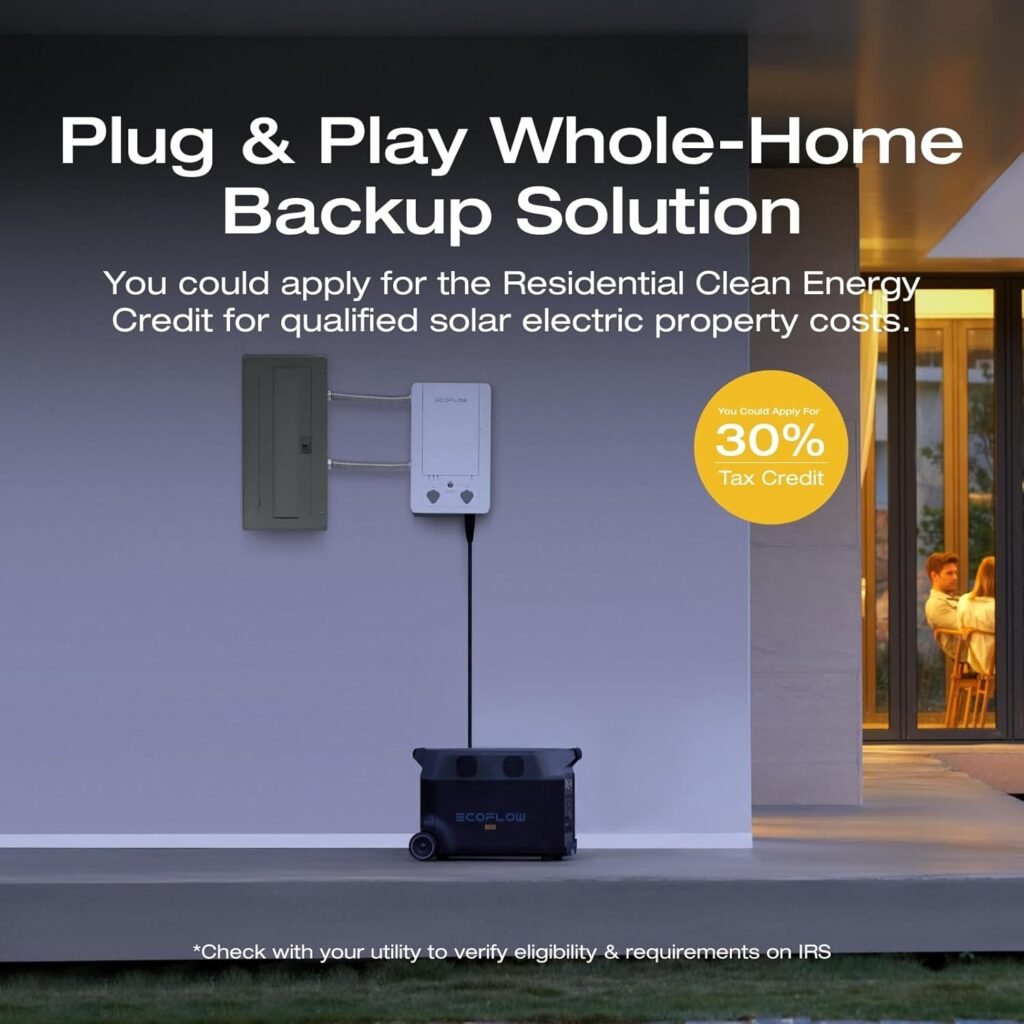
We note that a 30% tax credit could apply through the Residential Clean Energy Credit for qualified solar electric property costs, which can offset the cost if we integrate DELTA Pro into a solar-backed system. We advise checking with local utilities and tax professionals to confirm eligibility and specific program requirements.
Pros and Cons
We usually weigh strengths against trade-offs to make balanced recommendations. Here are the things we like and the areas that might be limiting depending on your needs.
Pros
- We appreciate the large 3600Wh LiFePO4 battery that offers long cycle life and safety.
- We like the modular expandability up to ~25kWh for whole-home backup or extended off-grid use.
- We value the fast charging options (1.8–2.8 hours) and five charging methods for flexibility.
- We enjoy the multiple outputs including high-power USB-C ports and five AC outlets for simultaneous device support.
- We find the smart app control useful for monitoring and remote management.
Cons
- We note the weight and size make it less convenient for solo backpacking or light travel.
- We remind users that surge or starting currents for some motors may still require paired units or external solutions.
- We point out the higher price compared to smaller or less-capable power stations, though we see it as an investment in capacity and lifespan.
Who Should Buy the DELTA Pro
We recommend DELTA Pro for households that want a serious, expandable backup solution, RV owners who need reliable high-power output, and professionals who require dependable off-grid power. We also think it’s a great match for people who intend to pair the unit with solar and want an integrated clean-energy setup.
Ideal User Profiles
- Homeowners who want multi-day backup without relying on gas generators.
- RV and van lifers who need to run AC, kitchen appliances, and charging hubs while boondocking.
- Contractors and events teams requiring quiet, portable power for tools and equipment.
- Environmentally-minded users investing in a long-term solar-plus-storage solution.
Frequently Asked Questions (FAQ)
We know buyers have practical concerns, so we gathered common questions and straightforward answers based on specs and typical use.
Can DELTA Pro run a central air conditioner?
We recommend checking the specific SA/starting current for your AC. While a single DELTA Pro can handle many window or portable AC units for limited times, central HVAC often requires higher startup power and continuous demand that might necessitate paired units or expanded systems.
How long will the battery last in terms of cycles?
We expect LiFePO4 technology to deliver thousands of cycles before significant capacity loss. Battery lifespan depends on usage patterns, depth-of-discharge, and temperature, but LFP generally outlasts conventional lithium-ion chemistries.
Is DELTA Pro safe to use indoors?
We believe DELTA Pro is suitable for indoor use as it produces no combustion emissions when operating from stored battery power. However, we advise following manufacturer guidance on ventilation, keeping vents clear, and ensuring proper electrical connections.
Does it work with standard household wiring or panel integration?
We note that panel integration or whole-home switchgear setups may require additional accessories or professional installation. We recommend consulting a licensed electrician to integrate DELTA Pro into home circuits or critical loads safely.
Pricing, Warranty, and Support
We consider cost as part of the overall value proposition, and the DELTA Pro sits at the premium end due to capacity, expandability, and durability. We also look closely at warranty and support because long-term peace of mind matters.
Warranty and Support Expectations
We expect EcoFlow to offer a manufacturer warranty and to provide firmware updates through the app. We advise registering the product and checking warranty terms for battery packs and expansion accessories, and we favor sellers with responsive customer service.
Cost-Effectiveness Over Time
We see DELTA Pro as an investment that pays back through years of reliable service, especially when used frequently or paired with solar. We advise factoring in any available tax credits, solar incentives, and future energy-save benefits when assessing ROI.
Final Verdict
We believe the EF ECOFLOW Portable Power Station 3600Wh DELTA Pro is a powerful, flexible, and future-proof solution for users who need substantial, safe, and fast-charging portable energy. We appreciate its LFP chemistry, modular design, fast charging, and smart controls, and we recommend it to anyone seeking a serious energy storage option for home backup, RV life, or professional use.
We encourage readers to match their expected loads to the spec sheet, consider expandability for long-term needs, and consult a professional if integrating the DELTA Pro into household circuits. If our priorities are capacity, safety, and versatility, this unit checks those boxes and positions us well for reliable power through outages, off-grid stays, and high-demand applications.