Disclosure: As an Amazon Associate, I earn from qualifying purchases.
Are we looking for a reliable way to power our devices off‑grid without having to fuss over fragile gear or complicated setups?
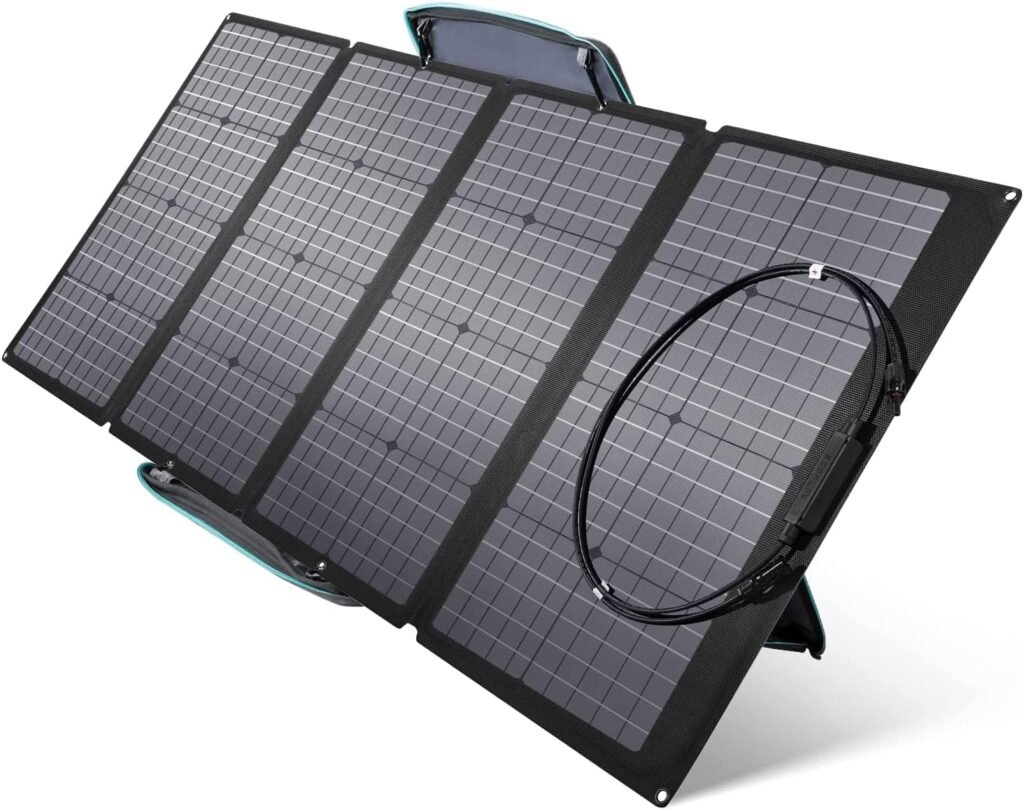

What Is the EcoFlow EFSOLAR160W 160W Portable Durable Waterproof Solar Panel w/Kickstand?
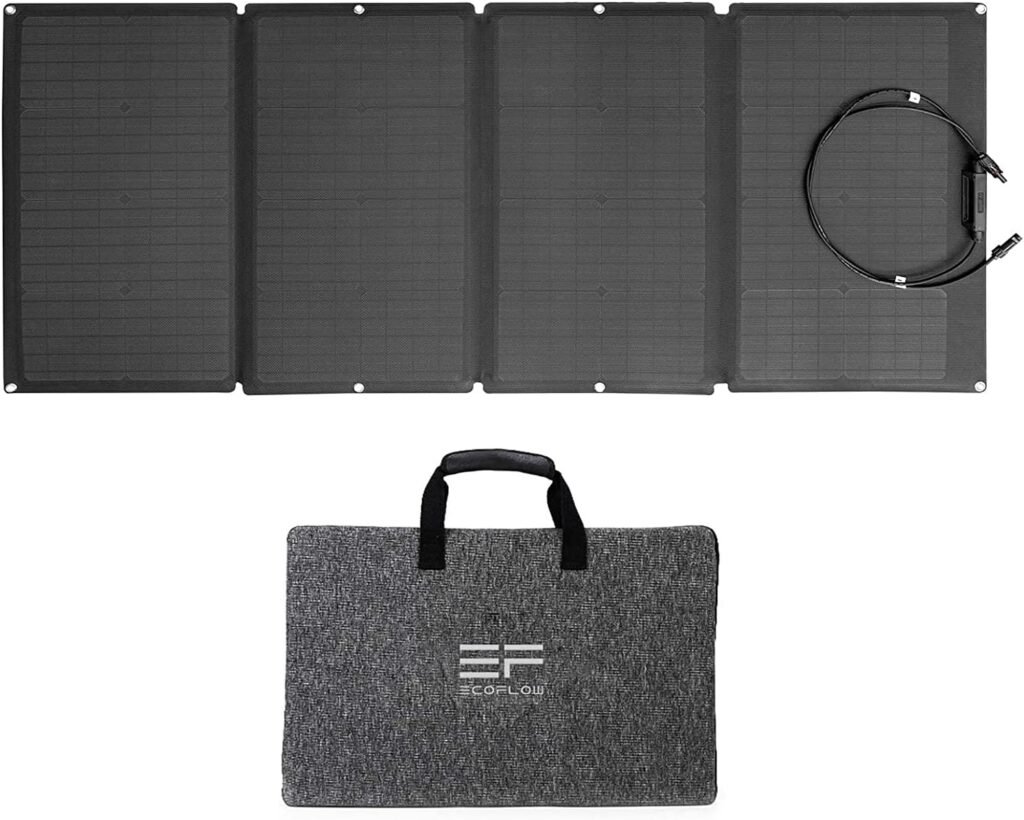
The EcoFlow EFSOLAR160W 160W Portable Durable Waterproof Solar Panel w/Kickstand is a foldable solar panel designed for mobile power use. We can pair it with power stations, take it on road trips, or keep it for home backup in emergencies. It is built to be tough, waterproof, and easy to carry, making it suitable for both casual outings and serious off‑grid use.
What sets it apart from many other panels is the combination of portability, higher efficiency, and thoughtful design details like the kickstand and waterproof construction. We are not just looking at a generic solar sheet; this is a more refined piece of gear that aims to balance performance, durability, and convenience.
Key Specifications and Core Features
Before we talk about real‑world use, it helps to look at the main specs. These tell us what kind of power we can expect and how the panel fits into our everyday use cases.
Main Technical Specifications
Understanding the essential numbers helps us figure out whether this panel is a good match for our power stations and devices. We can also compare it more easily to other 100W or 200W panels on the market.
| Feature | Specification (Typical) |
|---|---|
| Model | EcoFlow EFSOLAR160W |
| Rated Power | 160W |
| Cell Type | Monocrystalline silicon |
| Conversion Efficiency | Up to ~21–22% (varies with conditions) |
| Voltage (Vmp) | ~18V (varies slightly by batch) |
| Current (Imp) | ~8.8A (approximate) |
| Open Circuit Voltage (Voc) | ~21.4V (approximate) |
| Short Circuit Current (Isc) | ~9.6A (approximate) |
| Folded Dimensions | Compact, briefcase‑like form factor |
| Unfolded Dimensions | Large panel surface for maximum sun capture |
| Weight | Lightweight for its power class |
| Connector Type | MC4 (commonly used, widely compatible) |
| Waterproof Rating | IP67 (panel) |
| Included Accessories | Kickstand/carry case, cables, user documentation |
| Compatibility | Works with EcoFlow power stations & others via MC4 |
Some exact figures can vary slightly across production batches, but the table gives us a practical sense of what to expect. It is clearly intended to be paired with portable power stations for a compact, modular solar setup.
Highlight Features at a Glance
The headline features combine to make this panel useful in everyday life and not just on paper. We get robust power output, durable construction, and a design that travels well.
- 160W rated power for faster charging than basic 60–100W panels
- Monocrystalline cells for higher efficiency and better low‑light performance
- Foldable, lightweight, and easy to carry with an integrated handle
- IP67 waterproof rating for the panel itself
- Built‑in kickstand for optimal angle positioning
- MC4 connectors for broad compatibility
In practice, these features mean we have fewer worries when we are setting up on a wet lawn, dusty campsite, or the roof of a van. It is clearly built with real‑world use in mind.

Design and Build Quality
Design and build quality matter a lot in a solar panel that we expect to carry and use outdoors. Flimsy hinges, weak fabrics, or vulnerable electronics can quickly ruin the experience.
Materials and Construction
The EcoFlow EFSOLAR160W panel uses monocrystalline cells encased in a durable, laminated structure. We can feel that it is more rigid and robust than ultra‑thin flexible panels, yet still far lighter than framed glass rooftop panels.
The outer material on the folding sections is made from a heavy‑duty, weather‑resistant fabric. It feels more akin to rugged outdoor gear than a delicate tech product. The seams are well‑stitched, and the overall sense is that this is built to be moved, folded, and set up regularly.
Portability and Form Factor
One of the first things we notice is how manageable the panel is once folded. It resembles a compact briefcase or a flat soft‑sided bag, complete with a handle for easy carrying. That makes it much more practical for us when we want to move between the car and the campsite or from one room to the backyard.
The folding design divides the large panel surface into smaller sections. This allows it to unfold into a sizable collector area while remaining small enough for us to store behind a car seat, in a closet, or under a desk when not in use. For people with limited space, this design is a significant advantage.
Integrated Kickstand and Setup
The kickstand is one of the most useful design elements. Instead of us having to prop the panel against random items or find a DIY stand, EcoFlow includes a built‑in kickstand mechanism (often integrated into the carrying case).
We simply unfold the panel, adjust the kickstand, and angle the panel toward the sun. Small adjustments to the angle through the day can noticeably increase real‑world power output. The design helps us achieve that without complicated mounts or tools.
Durability and Waterproof Performance
When we are dealing with outdoor electronics, durability is not optional. The EcoFlow EFSOLAR160W is clearly built for rougher conditions than a typical indoor charger.
IP67 Waterproof Rating
The panel itself is rated IP67. In practical terms, this means it is dust‑tight and can withstand immersion in water up to a certain depth for a limited time (under test conditions). In real‑world use, it means rain, splashes, and wet ground are not a cause for panic.
We still need to be careful with the connectors and whatever power station or battery we have connected, but we can confidently leave the panel outside in less‑than‑perfect weather without instantly worrying about damage. That adds a lot of peace of mind in unpredictable climates.
Ruggedness for Outdoor Use
Beyond waterproofing, the panel is designed to take the wear and tear of frequent unfolding, folding, and transport. The edges are reinforced and the fabric surface feels abrasion‑resistant. While we would not throw it around carelessly, it is clearly more robust than cheaper, no‑name alternatives.
For activities like camping, van life, or frequent road trips, we can reasonably expect the panel to endure years of use if we treat it with basic care. The durable design also makes it a good fit for keeping as part of a home emergency kit, where we might need it to work reliably even after long periods of storage.
Power Output and Charging Performance
The most important question with any solar panel is: how much power do we actually get in real‑world conditions? Rated power is one thing; the sun rarely behaves like a laboratory test.
Realistic Output Expectations
A 160W rating is measured under Standard Test Conditions (STC), which assume strong, direct sunlight at a specific angle and temperature. In the field, we usually see a bit less due to atmospheric conditions, panel temperature, and imperfect alignment.
Under clear midday sun with the panel properly angled, we can realistically expect somewhere around 110–140W of output, sometimes higher under near‑perfect conditions. On partly cloudy days or mornings and evenings, this will naturally drop. Still, compared to smaller 60W or 100W panels, we get noticeably more usable energy per hour.
Charging EcoFlow Power Stations
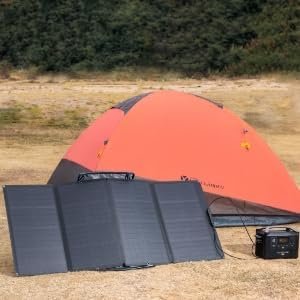
The EcoFlow 160W panel pairs especially well with EcoFlow’s portable power stations, such as the River or Delta series. Using the MC4 connectors and appropriate cable or adapter, we can plug the panel into the station’s solar input and see the wattage in real time on the station’s display.
This visibility is useful because we can move the panel slightly to improve the angle and watch the power increase. With 160W, we can meaningfully top up a medium‑sized power station during the day. For example:
- A ~500Wh power station might recharge from 20% to full in a few hours under strong sun.
- Larger 1000Wh+ stations may benefit from multiple 160W panels chained in parallel, but a single panel still helps extend runtime significantly.
The actual charging speed will always depend on sunlight quality and how often we reposition the panel.
Using with Other Brands and Batteries
Because the EcoFlow EFSOLAR160W uses standard MC4 connectors, we can connect it to many non‑EcoFlow power stations and charge controllers. We just need to make sure our device can accept the voltage and current range and use the correct adapter if required (for example, MC4 to DC barrel, or MC4 to Anderson, depending on our setup).
For DIY battery systems or 12V solar charge controllers, the 160W panel can be wired appropriately to match the controller’s specs. This flexibility means we are not completely locked into one ecosystem, which is valuable if we have mixed gear from different brands.
Ease of Use and Setup
If a panel is annoying to set up, we are less likely to actually use it. The EcoFlow EFSOLAR160W focuses on simplicity so we can get power flowing quickly.
Unfolding and Positioning
Setup is straightforward:
- Take the folded panel out of its storage spot or bag.
- Unfold it fully to expose all the cell surfaces.
- Use the kickstand to set an angle facing the sun.
- Connect the MC4 connectors to our power station or controller.
We do not need tools, mounts, or any complex procedures. If we want to optimize performance, we can adjust the angle every hour or two as the sun moves across the sky. Even minor repositioning can add up to a lot more energy harvested over a whole day.
Cable Management and Connectors
The panel’s cables are long enough to give us some flexibility in where we place our power station. We can keep the battery pack in the shade while the panel sits out in direct sun, which helps protect the battery from heat.
MC4 connectors click together firmly and are designed for outdoor solar use. They are also relatively easy to separate by hand or with a small tool, giving us a balance of secure connection and user‑friendliness.
Everyday Use Cases
To decide whether this panel makes sense for us, it helps to picture how we might actually use it. The EcoFlow EFSOLAR160W targets several realistic scenarios.
Camping and Outdoor Adventures
For camping, this panel lets us charge lights, phones, cameras, power banks, and small appliances via a portable power station. Instead of relying on the car battery or searching for campground outlets, we gain our own quiet, renewable power source.
We can also support devices like portable fridges, fans, or low‑power cooking equipment. Combined with a suitable battery pack, the panel helps us run gear throughout a multi‑day trip without needing to ration energy too aggressively.
Van Life and RV Use
For van dwellers and RV users, the 160W panel can act as a flexible supplement to rooftop solar or as a primary portable solution. We can park in the shade while placing the panel in a sunny spot nearby, something fixed rooftop arrays cannot do.
This flexibility is especially useful in hot climates where we want to keep the vehicle interior cool yet still harvest solar energy. The panel’s foldable design also makes it easier to store when we are on the move.
Emergency Backup at Home
In a power outage, the EcoFlow EFSOLAR160W can be a crucial part of a home emergency kit. When paired with a power station, we can keep phones charged, run a router, power small fans, or keep essential medical devices on.
Because the panel is portable, we can move it to a balcony, backyard, or driveway as needed. Once the grid returns, the panel folds back up and can be stored until the next emergency, taking up relatively little space.
Everyday Convenience and Sustainability
Even outside of adventures or emergencies, the panel can help us reduce grid usage. We can top up a battery during sunny hours and then use that stored energy to charge devices in the evening. It becomes a low‑maintenance step toward a more sustainable routine.
Knowing that we can generate our own clean power also changes how we feel about energy consumption. We become more aware of how much devices draw and how valuable each watt of solar energy is.
Performance in Different Weather Conditions
Solar panels are inherently dependent on the weather, but some designs handle the variability better than others.
Full Sun Performance
Under strong, direct sun, the EcoFlow 160W panel performs very well for its class. The monocrystalline cells and good conversion efficiency mean we get solid output as long as we position the panel correctly.
The dark surface does heat up under intense summer sun, and like all solar panels, higher temperatures can lower efficiency slightly. Still, the real‑world performance remains very usable and competitive.
Cloudy and Partial Shade Conditions
On overcast days or with intermittent clouds, we obviously see lower power output. However, the panel does not drop to zero under lighter cloud cover; we still gather some energy. Monocrystalline cells tend to manage low‑light conditions better than cheaper alternatives.
Partial shading from trees or buildings can have more impact than we might expect, because shadows on parts of the panel can affect the overall output. We are better off moving the panel a bit to reduce shading whenever possible.
Seasonal and Latitude Considerations
In higher latitudes or winter months, the sun sits lower in the sky and daylight hours are shorter. The built‑in kickstand helps us compensate somewhat by angling the panel more steeply toward the sun. We will still collect less than in midsummer, but careful positioning can make a meaningful difference.
If we plan to use the panel heavily year‑round, paying attention to the seasonal sun path in our location will help us get the most out of it.
Compatibility and Integration with Other Gear
A solar panel rarely works alone; it becomes more powerful when part of a system. The EcoFlow 160W panel is designed to integrate smoothly into various setups.
Working with EcoFlow Ecosystem
Within the EcoFlow ecosystem, this panel is essentially plug‑and‑play. We connect it to an EcoFlow power station using the standard cables or an EcoFlow‑specific adapter, and the station handles the rest. The station’s display often shows instant solar input wattage, satisfying our curiosity and helping us optimize placement.
This tight integration is convenient for those of us who already own EcoFlow battery products or plan to build a cohesive solar kit with minimal technical fuss.
Using with Third‑Party Power Stations
Because the panel uses MC4 connectors, we can adapt it to many third‑party portable power stations. Some brands include MC4 as standard, while others offer MC4‑to‑proprietary adapters.
Before connecting, we just need to confirm:
- The station supports the panel’s maximum voltage (usually well within range).
- The total solar input wattage limit of the station is not exceeded if we chain multiple panels.
Once we are within specifications, the EcoFlow panel behaves like any quality solar module and charges our non‑EcoFlow station safely.
Integration with DIY and 12V Systems
For those of us running 12V battery setups with separate charge controllers, the EcoFlow 160W panel serves as a powerful input source. We simply connect the MC4 leads into the controller’s PV input, respecting polarity and the controller’s voltage/current limits.
This opens the door to custom off‑grid solar setups for cabins, sheds, small boats, and similar projects. The portability allows us to adjust or relocate the panel as our needs change.
Pros and Cons
Every product comes with strengths and trade‑offs. Laying them out clearly helps us judge whether this panel fits our priorities.
Advantages of the EcoFlow EFSOLAR160W
We see several clear benefits in using this panel:
-
Strong Power‑to‑Size Ratio
160W in a relatively compact, foldable form means we get more usable energy from the same footprint compared to many smaller panels. This is crucial when our physical space or carrying capacity is limited. -
High‑Quality Monocrystalline Cells
With higher efficiency than polycrystalline alternatives, these cells give us better performance, especially in good sun. We simply get more power out of the same surface area. -
Rugged and Waterproof (IP67 Panel)
The dust and water resistance rating allows us to feel confident about using the panel outdoors in unpredictable conditions. It removes a lot of anxiety about sudden showers or splashes. -
User‑Friendly Kickstand and Foldable Design
The built‑in kickstand makes it much easier to orient the panel correctly without improvising supports. The folding structure and handle simplify transport and storage. -
Broad Compatibility via MC4 Connectors
We are not fully locked into one ecosystem. With the right adapter, we can pair it with EcoFlow and non‑EcoFlow power stations or custom off‑grid systems. -
Quiet, Clean, and Low‑Maintenance Power Source
Once the panel is set up, it operates silently, without fuel or emissions. Apart from occasional cleaning and storage care, it demands little from us.
Potential Drawbacks and Limitations
On the other hand, there are a few limitations we should consider:
-
Higher Initial Cost than Budget Panels
Quality materials and higher efficiency come at a price. The EcoFlow 160W panel may cost more than generic 100W or 120W panels from lesser‑known brands. We are paying for build quality and ecosystem integration. -
Weight vs. Ultra‑Light Panels
While portable, a 160W panel is naturally heavier than very small 40W or 60W units. For backpacking or long hikes where every gram matters, this panel may feel bulky. -
Output Depends Heavily on Sun Conditions
As with all solar products, our experience will vary greatly by location, weather, and time of year. Those of us in very cloudy climates may not fully benefit from the rated 160W. -
Requires a Separate Battery or Power Station
The panel alone cannot store power. We need a compatible power station or charge controller and battery to actually use energy when the sun is not shining.
By weighing these pros and cons against our own situation, we can decide if the EcoFlow EFSOLAR160W is the right choice.
Comparing 160W to Smaller and Larger Panels
We might be wondering whether it makes sense to choose 160W instead of lower‑wattage or higher‑wattage panels. The answer depends on our needs and constraints.
Versus Smaller Panels (60W–120W)
Compared to smaller portable panels, the EcoFlow 160W:
- Generates more energy per hour, which matters when we need to charge bigger batteries or run more demanding devices.
- Is slightly larger and heavier, but often still manageable for car‑based trips and home use.
If we mainly charge phones, tablets, and small power banks, a 60W or 100W panel might suffice. If we want to support laptops, portable fridges, or multiple devices for extended periods, 160W offers a more comfortable margin.
Versus Larger Portable Panels (200W+)
Larger portable panels (200W and above) can deliver more power but typically come with trade‑offs:
- Heavier and bulkier, making transport and setup a bit more demanding.
- Sometimes more awkward to fit into tight spaces or small vehicles.
The 160W rating hits a sweet spot for many users: enough power to be genuinely useful but still compact enough to be easy to handle. If we are running a very power‑hungry setup or a large off‑grid cabin, we might consider chaining multiple 160W panels or stepping up to fixed arrays.
Maintenance and Care
Solar panels do not require much maintenance, but a bit of care helps us keep performance high over the long run.
Cleaning the Panel Surface
Dust, pollen, bird droppings, or salt spray (for coastal users) can reduce output by blocking light. Regular gentle cleaning can help:
- Use a soft cloth or sponge with clean water.
- Avoid harsh chemicals or abrasive materials that could scratch the surface.
- Wipe gently and let the panel dry before folding and storing it.
Cleaning is especially important in dusty or pollen‑heavy environments where buildup happens quickly.
Storing and Transporting Safely
When not in use, we should fold the panel as designed and avoid placing heavy objects on top of it. Storing it in a cool, dry location away from sharp edges or compression will help extend its lifespan.
During transport, especially in vehicles with lots of gear, it is wise to secure the panel so it does not slide around or get bent in unnatural ways.
Long‑Term Reliability
As long as we avoid physical damage and extreme misuse, solar cells generally degrade slowly, losing only a small percentage of efficiency per year. Over several years, we might notice a modest drop in maximum output, but the panel should remain effective for a long time.
EcoFlow’s overall reputation for quality is reassuring here, suggesting that the panel has been tested to withstand repeated folding and real‑world stresses.
Who Is the EcoFlow 160W Panel Best For?
Not everyone needs a 160W portable solar panel. Yet for some of us, it is exactly the right solution.
Ideal Users and Scenarios
We would especially recommend the EcoFlow EFSOLAR160W 160W Portable Durable Waterproof Solar Panel w/Kickstand for:
-
Campers and Overlanders
Those of us who take regular trips by car, van, or RV and want reliable, quiet off‑grid power without running engines or generators. -
EcoFlow Power Station Owners
If we already own or plan to purchase an EcoFlow power station, this panel is a natural match, designed and tuned to work well with that ecosystem. -
Emergency Preparedness Planners
Households that want a compact emergency power solution to charge communication devices, medical gear, and essentials during outages. -
Sustainability‑Focused Users
People who want to reduce grid dependence, use more renewable energy, and get hands‑on with solar without a full rooftop installation. -
DIY Off‑Grid Enthusiasts
Those of us experimenting with 12V systems, cabins, or smaller independent setups who appreciate a quality, portable solar input.
When It Might Be Overkill
On the other hand, the panel may be more than we need if:
- We only occasionally charge a phone or two and do not plan to run larger devices or store energy in a sizeable battery.
- We are committed backpackers trying to minimize every gram; in that case, an ultra‑light small panel or power bank might be better suited.
In such scenarios, we might opt for a smaller, lighter, and cheaper panel, accepting slower charging as a trade‑off.
Practical Tips for Getting the Most Out of the Panel
If we decide to use the EcoFlow 160W panel, a few habits can significantly improve our everyday experience and efficiency.
Optimize Panel Angle and Orientation
Whenever possible, we should:
- Face the panel directly toward the sun, not just generally south (in the northern hemisphere) or north (in the southern hemisphere).
- Adjust the tilt angle through the day, using the kickstand to track the sun roughly.
Even two or three small adjustments during the day can noticeably boost our total energy harvest.
Avoid and Minimize Shading
We want to position the panel where there are no shadows from trees, tents, vehicles, or other structures. Even partial shading can cause a significant drop in power.
If shade is unavoidable for part of the day, we can try to orient the panel so that the least crucial sections are shadowed for the shortest times.
Monitor Input with a Power Station Display
When paired with a power station that shows input wattage, we gain a valuable feedback loop. By slightly adjusting the panel, we can see whether the wattage increases or decreases, helping us quickly find the best angle and position.
This real‑time learning also deepens our understanding of how sunlight intensity changes throughout the day and how our environment affects solar performance.
Combine with Energy‑Smart Habits
We get more out of any solar setup when we use energy wisely:
- Run higher‑draw devices (like small appliances) during periods of strong sun while the panel is actively generating.
- Charge power banks and devices in the daytime to relieve demand on the battery at night.
- Turn off or unplug devices that are not actually in use.
These small habits can stretch the usefulness of 160W significantly.
Environmental and Lifestyle Impact
Owning a portable solar panel like the EcoFlow EFSOLAR160W can subtly shift how we think about energy. It is not just a gadget; it can change part of our daily behavior.
Reducing Carbon Footprint
By using the panel to charge our devices and power some of our gear, we reduce the electricity we draw from the grid, which in many regions is still powered by fossil fuels. While one 160W panel will not single‑handedly solve climate change, it is a step in a more sustainable direction.
Over months and years, the cumulative kilowatt‑hours generated from clean sunlight instead of the grid add up—especially if we use the panel frequently.
Building Energy Awareness
When we see exactly how many watts our panel generates and how long it takes to charge various devices, we develop a more intuitive sense of energy consumption. We start asking questions like:
- How many watts does this device need?
- Is it worth keeping this appliance running?
- How can we time our usage to match when the sun is strongest?
This awareness can influence other parts of our life too, from appliance purchases to travel choices.
Sense of Independence and Security
Having our own ability to generate and store power—independent of the grid—also contributes to a feeling of resilience. When the power goes out or we find ourselves far from outlets, we know we are not completely stuck.
That sense of independence is one of the main emotional benefits users mention when they adopt portable solar gear. It is not just about watts and volts; it is about confidence and control.
Final Thoughts: Is the EcoFlow EFSOLAR160W 160W Portable Durable Waterproof Solar Panel w/Kickstand Worth It?
The EcoFlow EFSOLAR160W 160W Portable Durable Waterproof Solar Panel w/Kickstand offers a compelling balance of power, portability, and durability. With 160W of rated output, high‑efficiency monocrystalline cells, IP67 waterproof construction for the panel, and a genuinely useful kickstand design, it stands out as a strong candidate for anyone serious about portable solar.
We see it as an excellent choice if we:
- Want reliable off‑grid power for camping, van life, or RV use.
- Own or plan to own an EcoFlow power station and want seamless integration.
- Care about durability and waterproofing enough to justify a more premium product.
- Value a neat, foldable design that is easy to transport and store.
It may not be the cheapest option on the market, and it is more panel than we need for the most minimal phone‑only use cases, but for many users, it strikes a near‑ideal middle ground. We get serious solar capability without the bulk and complexity of large fixed arrays, and without the frustrations of flimsy budget panels.
If our goal is to add a dependable, portable solar workhorse to our gear—a panel that we can take on adventures, rely on in emergencies, and use to power everyday devices sustainably—then the EcoFlow EFSOLAR160W 160W Portable Durable Waterproof Solar Panel w/Kickstand is very much worth considering.