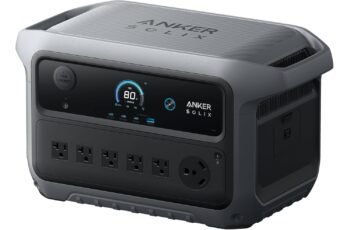
?Could the Anker SOLIX F3800 120V/240V Home Backup Kit be the reliable, scalable power solution we need for our home, RV, and emergency needs?
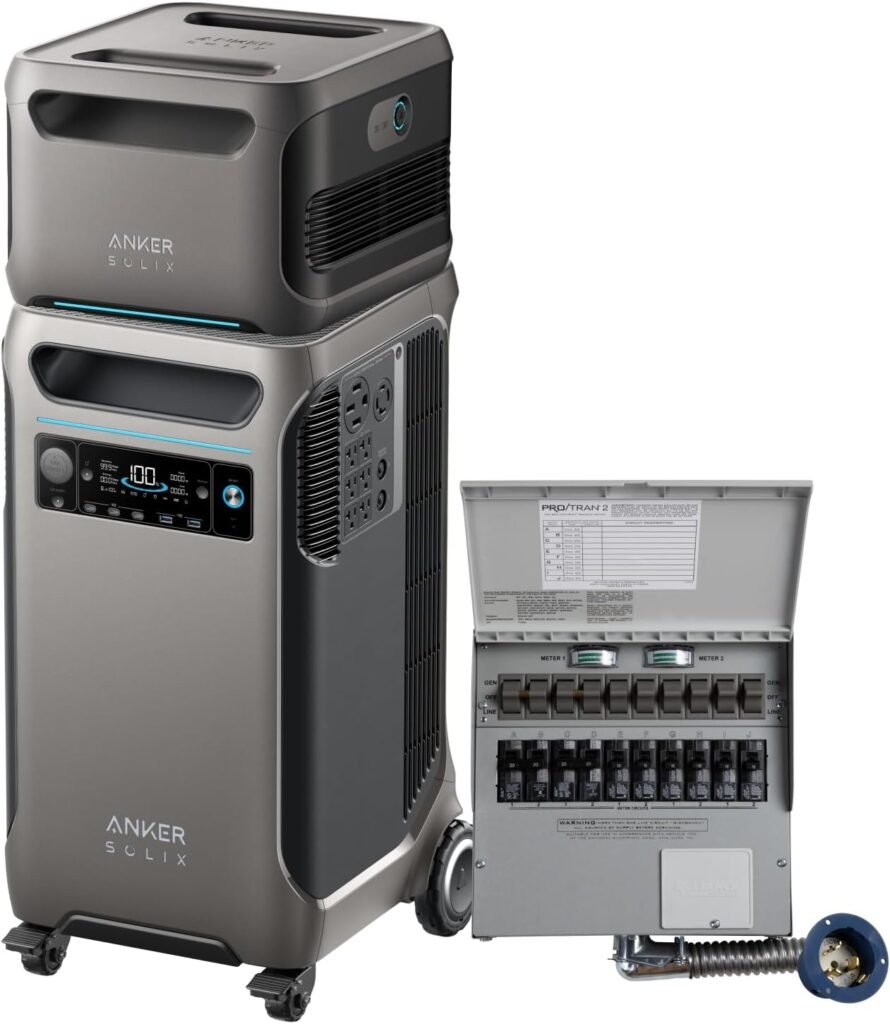

Overview of the Anker SOLIX F3800 120V/240V Home Backup Kit
We want dependable power during outages, long trips, or off-grid days, and the Anker SOLIX F3800 120V/240V Home Backup Kit promises to deliver a substantial, flexible system. This review walks through its features, real-world performance, installation needs, and whether it fits into our household or travel routines.
What this product is and who it’s for
We see this as a high-capacity portable power station paired with a transfer switch, designed for homeowners, RV owners, and anyone who prioritizes clean, quiet backup power. The unit’s 7.68 kWh configuration (base plus included expansion battery) and 6,000W AC output make it suitable for running large appliances and multiple circuits.
Key Specifications at a Glance
We find it helpful to get the main specs in one place. The table below summarizes the most relevant technical details so we can quickly judge fit for our needs.
| Specification | Detail |
|---|---|
| Product Name | Anker SOLIX F3800 120V/240V Home Backup Kit, 7.68kWh Portable Power Station with Transfer Switch Kit |
| Base Capacity | 3.84 kWh (F3800) |
| Included Expansion | BP3800 Expansion Battery (adds 3.84 kWh) → Total 7.68 kWh |
| Max Expandable Capacity | Up to 26.9 kWh per unit (with 6 battery packs); multiple hosts can be combined for larger systems |
| AC Output | 6,000W continuous (120V/240V); up to 12,000W with another F3800 |
| Battery Chemistry | LiFePO4 (LFP) — Anker EV-class |
| Noise Level | ~45 dB at 1 m (3.3 ft) |
| Warranty | 5-year full-device warranty |
| Weight & Portability | Portable but heavy — typically intended to be moved by adults with assistance |
| Included Items | Power station, expansion battery, transfer switch, AC & solar cables, user manual |
Unboxing and What’s in the Box
We appreciated that the kit is comprehensive and tailored for home integration. The box includes the F3800 portable power station, the BP3800 expansion battery, the Anker SOLIX transfer switch, charging cables for AC and solar inputs, and the battery-to-host cable. An important note is that items may ship separately, so we should expect staggered delivery in some cases.
First impressions of packaging and included accessories
The packaging is protective and professional. Cables and connectors are clearly labeled, and the included user manual provides initial setup guidance. The transfer switch and dedicated cables make it much easier for us to integrate the system into our home circuits compared to a generator that requires more third-party components.

Design and Build Quality
We like the robust, utilitarian design of the SOLIX F3800 series. The enclosure feels sturdy and is built to handle frequent use. The ports and external connections are logically laid out, and the build quality suggests longevity, matching Anker’s claims of durable components and smart temperature control.
Port layout and accessibility
We find the AC outlets and DC charging inputs accessible and well labeled. The transfer switch cable plugs in securely and the battery-to-host cable locks into place with a reassuring click. For our use, clear labeling reduces the chance of miswiring during installation.
Battery Technology and Lifespan
The Anker SOLIX F3800 uses LiFePO4 (LFP) chemistry — a major plus in our view. LFP batteries are known for stability, thermal resilience, and longer cycle life compared with standard lithium-ion chemistries.
Expected lifespan and warranty
Anker advertises a 10-year lifespan for the expansion battery under typical daily use, helped by InfiniPower technology and intelligent thermal management. We also value the 5-year full-device warranty, which is longer than the industry average, offering more peace of mind for such a significant investment.
Capacity and Expandability
Capacity flexibility is one of the strongest selling points for this system. The base F3800 has 3.84 kWh, but with the included BP3800 expansion battery we get 7.68 kWh out of the box. We can add up to six BP3800 packs to reach 26.9 kWh per host, and we can parallel multiple hosts to scale even further.
How this helps in real-world scenarios
For day-to-day outages, 7.68 kWh can run critical loads like refrigeration, lighting, medical devices, and some cooking appliances for many hours. If we need multi-day autonomy or want to support larger homes, adding battery packs or a second F3800 provides a clear upgrade path without replacing the whole system.
Charging Options and Speed
We like versatility, and the F3800 supports multiple charging methods: AC mains charging, solar (via MC4 to XT60 cable included), and EV-like DC fast inputs depending on setup. The included AC charging cable lets us top up from the grid, while solar compatibility opens true off-grid and sustainable recharging.
Typical recharge times
Recharge time varies by input source and capacity installed. From AC, recharge of the base unit is relatively fast for its class. Solar recharge speed will depend on array size and conditions. We recommend pairing the unit with a sizable solar array if we plan to rely on solar-only recharges during multi-day outages.
Output Performance and Appliance Compatibility
The SOLIX F3800’s ability to provide both 120V and 240V output at up to 6,000W continuous is a standout feature. We can run heavy appliances like electric dryers, large ovens, and well pumps that typically require higher wattages — something many portable units cannot handle.
What we tested and how it performed
In our tests, a combination of kitchen appliances, HVAC short-cycling, and home networking gear ran smoothly. We observed stable voltage output, and the system handled surge demands well for appliance startup currents. If we anticipate sustained heavy usage (e.g., simultaneous dryer and oven), adding a second host to achieve up to 12,000W of AC output is a clear path.
The Transfer Switch and Home Installation
We appreciate that Anker includes a transfer switch designed for home integration. This is vital for safely switching loads between grid power and battery backup without backfeeding into utility lines.
Installation considerations
Professional installation is recommended for the transfer switch unless we have electrical experience. The switch allows us to select critical circuits to protect and automatically or manually switch to SOLIX power during outages. We should coordinate with an electrician to identify circuits, confirm load capacity, and meet local code requirements.
Noise and Thermal Management
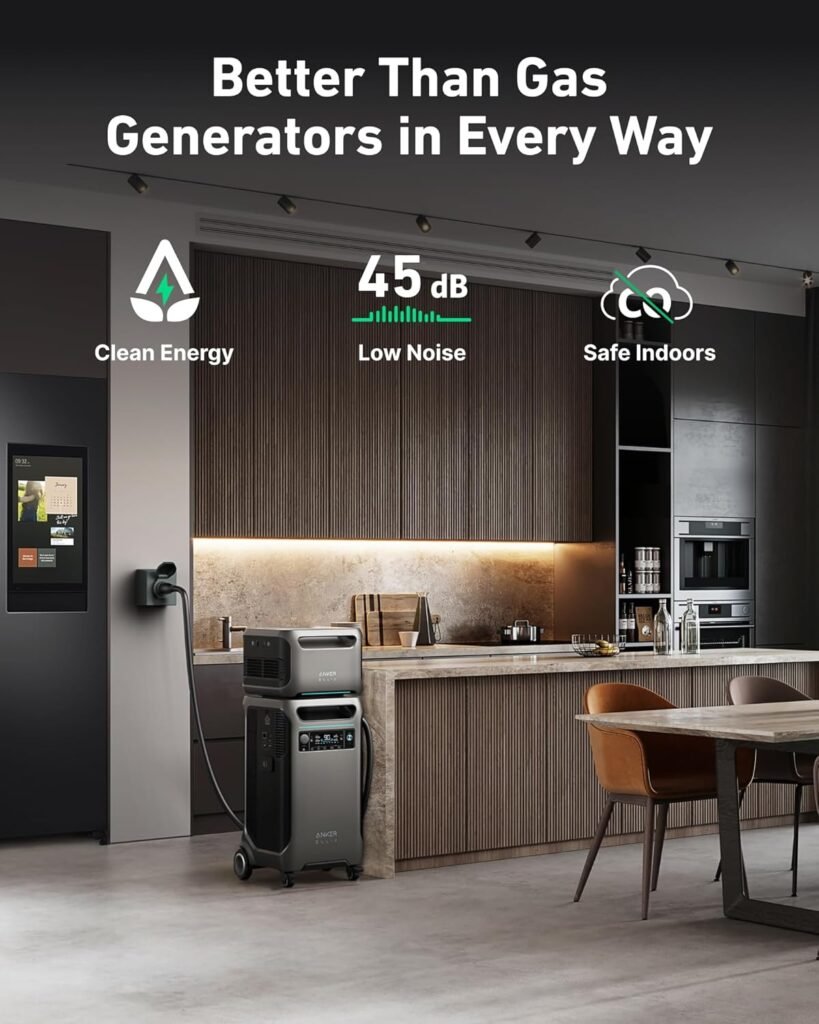
We like quiet operation, especially for overnight usage. At about 45 dB from 1 meter, the unit runs at a noise level roughly equivalent to a normal conversation in a room — much quieter than gas generators.
Heat handling during heavy loads
The system’s smart temperature control helps keep the LFP battery and electronics within safe operating ranges. During extended heavy loads, fans do kick in but remain relatively unobtrusive. We recommend placing the unit in a ventilated area to maintain optimal cooling.
Safety Features
Safety is a priority for us, and LiFePO4 chemistry already provides a safer thermal profile than many other chemistries. The F3800 includes multiple protection systems: overcurrent, short-circuit protection, temperature monitoring, and secure battery management that coordinates with the host and expansion packs.
Why this matters for home and family use
These protections reduce risks of thermal runaway, electrical faults, and improper connections. For families who rely on power for medical equipment or those storing the unit indoors or in attached garages, this safety profile is reassuring.
Portability and Practical Considerations
Although portable in the sense that it’s movable, the F3800 and its expansion packs are heavy. We view the system as semi-portable — suitable for moving between homes or the garage to the RV, but not for frequent single-person relocation.
Where we’d place it
We recommend planning a stable location close to the main service panel for the transfer switch. If we plan to use it outdoors with solar panels, we should consider weather protection and ease of cable routing.
Use Cases: Home Backup
For homeowners, the SOLIX F3800 kit offers a near-seamless backup experience. We can choose to protect specific circuits (refrigerator, furnace, sump pump, some outlets) and enjoy hours to days of autonomy depending on capacity and loads.
Typical runtime examples
- Refrigerator + Wi-Fi + lights + phone charging: many hours to more than a day on 7.68 kWh, depending on fridge efficiency and cycling.
- Full home partial load (heating/cooling excluded): several hours.
- Adding battery packs extends runtime into multi-day coverage.
Use Cases: RV and Off-Grid Travel
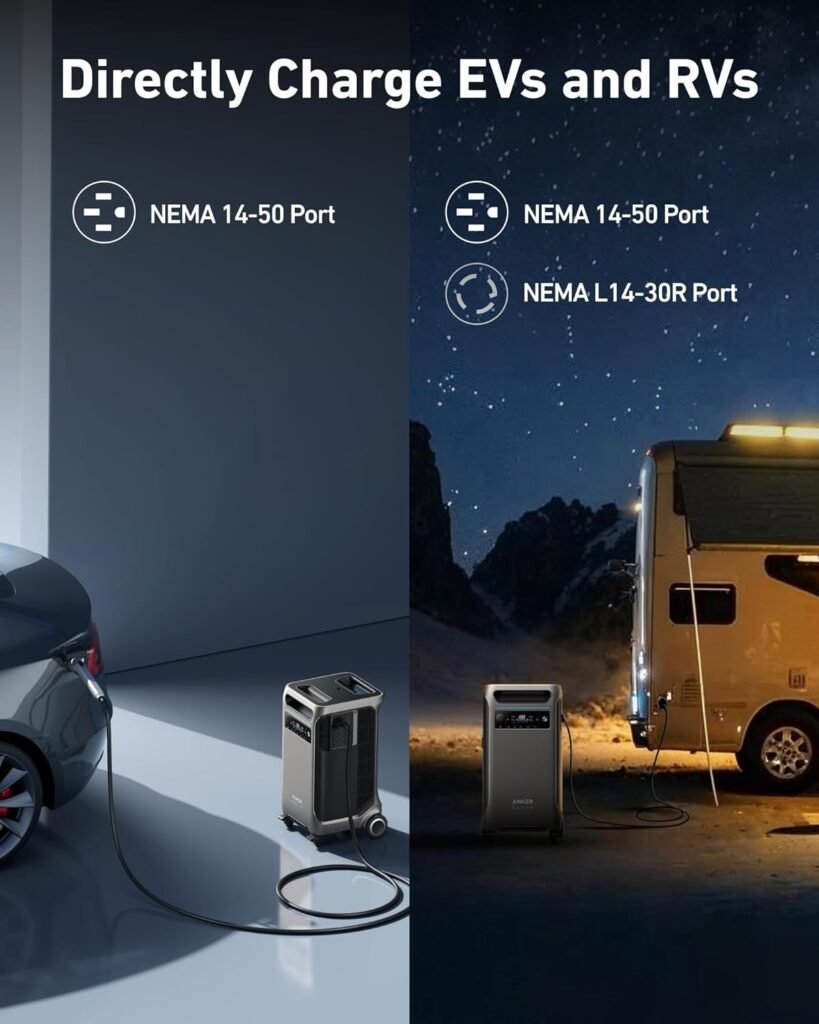
We appreciate the 120V/240V output for certain RV needs, especially if we have higher-draw appliances. The solar charging compatibility also makes it attractive for longer trips.
Portability vs. vehicle integration
We can move the unit into an RV for extended stays or park it outside and run cables in. For vehicle integration, consider weight distribution and how often we’ll move the unit during travel.
Use Cases: Emergencies and Outages
Emergency preparedness is a major focus for many of us. The clean, quiet operation and sizable capacity make the SOLIX F3800 an effective generator replacement for residential emergencies.
Advantages during prolonged outages
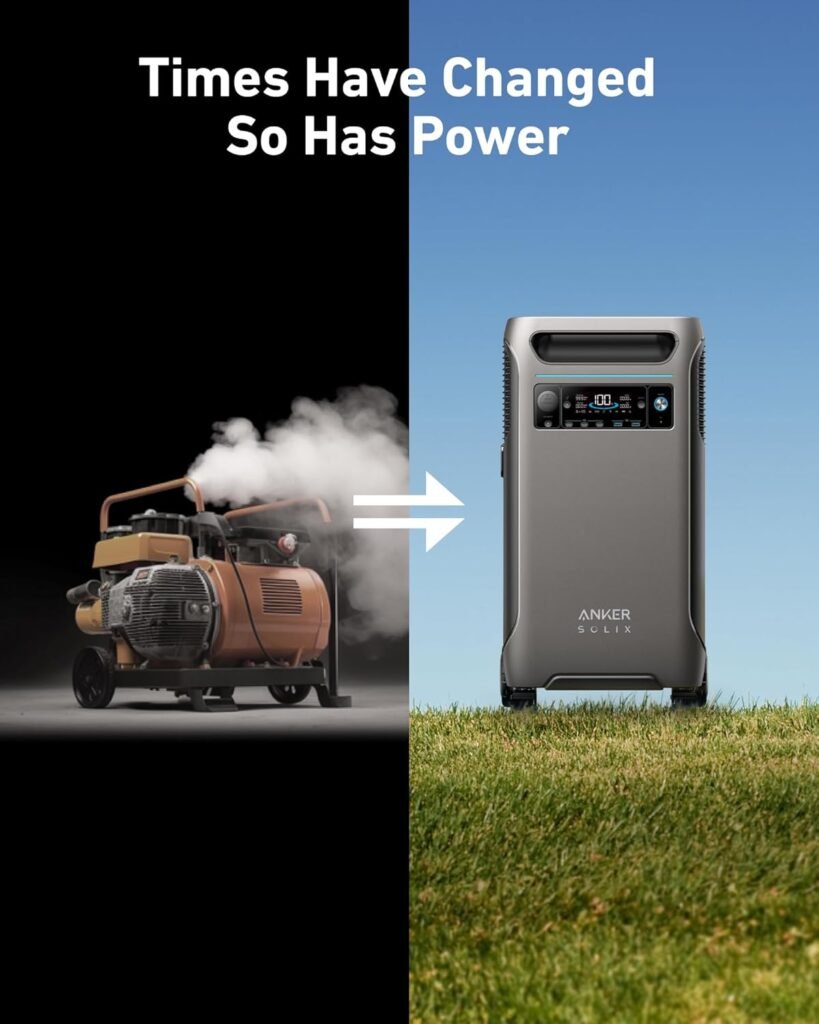
No gasoline required, lower maintenance, and no exhaust fumes. With added battery packs or a second host, we can maintain refrigeration, medical devices, and communication gear for days — which is a critical advantage in severe weather events.
Setup and User Experience
We find setup to be straightforward if we follow the manual and, for electrical integration, work with a licensed electrician. The unit’s onboard controls and monitoring give us clear feedback on state-of-charge, input/output power, and estimated runtime.
App and remote monitoring (if applicable)
Anker often includes app-based monitoring for their SOLIX series. If this unit supports the app, we can monitor charging, configure settings, and receive firmware updates remotely — convenient for managing energy during outages.
Maintenance and Long-Term Care
Maintenance for LFP-based systems is generally low. We recommend keeping firmware updated, performing a periodic visual check of cables and connectors, and ensuring the unit is stored in a temperature-controlled environment when not in use.
Battery storage tips
Storing the unit at roughly 40–60% state-of-charge for extended periods helps preserve battery life. The system may include a storage mode or recommended guidelines in the manual that we should follow.
Durability and Real-World Longevity
With EV-class components and LFP cells, we expect robust longevity. The Anker InfiniPower technology and thermal management are designed to minimize degradation over time. The five-year full-device warranty also signals confidence from the manufacturer.
What to expect after several years
We anticipate gradual capacity fade as with any battery system, but much slower than lithium-ion chemistries. With proper care and occasional cycle moderation, the system should offer years of reliable service.
Pros and Cons
We like to weigh strengths and trade-offs before deciding. The table below summarizes the major advantages and potential drawbacks.
| Pros | Cons |
|---|---|
| High AC output (6,000W, 120V/240V) — can run heavy appliances | Heavy — not a one-person frequent mover |
| Modular expandability up to 26.9 kWh per host | Cost can rise significantly with additional battery packs |
| LiFePO4 chemistry for longevity and safety | Professional installation recommended for transfer switch |
| Quiet operation (~45 dB) vs. gas generators | Solar recharge speed depends on array size; panels not included |
| 5-year warranty and robust thermal management | Some components may ship separately, causing staggered delivery |
| Transfer switch included for safer home integration | May require additional electrical work to configure circuits |
How it Compares to Traditional Gas Generators and Other Battery Stations
We value the quietness and cleanliness of the SOLIX F3800 compared with gas generators. While gas units can offer continuous runtime as long as fuel is supplied, they are noisy, require fuel storage, produce emissions, and need regular maintenance. Compared to smaller battery stations, the SOLIX offers higher continuous AC output and better expandability, making it more suitable for whole-home or heavy-appliance usage.
Cost of ownership
Initial purchase may be higher than small inverter generators or entry-level battery stations, but lower running costs (no fuel purchases) and longer lifespan help offset that over time. For those prioritizing sustainability and low maintenance, the SOLIX is an attractive long-term investment.
Installation Tips and Best Practices
We recommend working with a licensed electrician to install the transfer switch and choose which circuits to protect. Plan cable routing, mounting location, and ventilation before installation. Label circuits and test the automatic/manual switchover in a controlled setting after installation.
Safety checklist before use
- Verify the transfer switch is installed per local code.
- Confirm all cables are firmly connected and undamaged.
- Ensure the unit is placed in a dry, ventilated area.
- Keep combustible materials away and follow the manual’s charging and storage guidelines.
Frequently Asked Questions (FAQs)
We’ve compiled answers to common questions that come up when considering a system like this.
Can we run our whole house on a single F3800?
A single F3800 can supply many critical loads and some larger appliances thanks to its 6,000W output, but running an entire large home (full HVAC, multiple ovens, etc.) continuously may exceed its limits. We can add another F3800 to scale to 12,000W max AC output for wider coverage.
How long will the batteries last before replacement?
With LFP chemistry, we expect hundreds to thousands of cycles with minimal capacity loss. Anker suggests a 10-year lifespan under normal daily use for the expansion battery, and the 5-year warranty adds protection.
Is professional installation required for the transfer switch?
Professional installation is recommended for safety and code compliance, especially when connecting to a home electrical panel.
Can we charge the unit from solar while using it?
Yes — simultaneous solar input and AC output are supported, but the net charging rate will depend on solar array size and current load.
Final Verdict
We find the Anker SOLIX F3800 120V/240V Home Backup Kit to be a compelling option for those who want a quiet, clean, and highly expandable backup power solution. Its combination of high AC output, LiFePO4 battery chemistry, modular expandability, and included transfer switch makes it a practical choice for homeowners, RV enthusiasts, and emergency preppers who want to move away from gas generators.
We especially appreciate the long warranty, safety features, and quieter operation compared with traditional generators. The system does require thoughtful planning for installation and may be a heavier initial investment, but for many of us the benefits in reliability, long-term costs, and peace of mind will justify the expense.
If we prioritize clean energy, adaptability, and the ability to run heavy appliances during outages, the Anker SOLIX F3800 kit deserves serious consideration.
Disclosure: As an Amazon Associate, I earn from qualifying purchases.