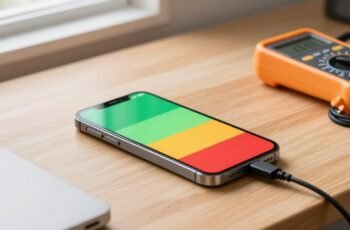
Battery degradation is a common concern that impacts device performance over time. By understanding the factors that cause wear, we can implement effective strategies to extend battery lifespan. Proper charging habits, temperature management, and recognizing signs of deterioration are essential components. Staying informed on these topics allows us to make better decisions and maintain peak device functionality. Let’s explore the key practices that can help prevent premature battery failure and guarantee longevity.
Key Takeaways
- Keep charge levels between 20% and 80% to minimize electrode stress and chemical aging.
- Avoid full discharges; recharge before the battery drops below 20%.
- Use cooling systems and charge in cool environments to prevent overheating.
- Use compatible chargers and unplug devices once fully charged to reduce overcharging.
- Store batteries in cool, dry places and avoid exposure to direct sunlight or heat sources.
Understand What Causes Battery Degradation
Understanding what causes battery degradation is essential for maintaining peak performance over time. Battery degradation primarily results from chemical and physical changes within the cells due to repeated charge cycles. As a battery charges and discharges, electrode materials undergo structural stress, leading to capacity loss. Additionally, the formation of solid electrolyte interphase (SEI) layers consumes active materials, reducing efficiency. High voltage levels accelerate these processes by increasing stress on electrode materials, while contaminants or impurities can catalyze degradation reactions. Internal resistance also increases over time, impairing power delivery. External factors such as temperature fluctuations and improper charging practices exacerbate chemical instability. Recognizing these causes allows us to implement strategies that slow degradation, ensuring longer battery lifespan and consistent performance.
Keep Your Battery Within Optimal Temperature Ranges
Maintaining your battery within its ideal temperature range is vital for minimizing degradation and ensuring reliable performance. Excessive heat accelerates chemical reactions within the battery, leading to faster capacity loss, while cold temperatures can reduce chemical activity, impairing performance and increasing internal resistance. To optimize battery lifespan, it’s essential to control operating conditions actively.
Maintaining optimal temperature is key to prolonging battery life and ensuring reliable performance.
- Use cooling systems or ventilation to prevent overheating in high-temperature environments
- Avoid exposing devices to direct sunlight or heat sources for extended periods
- Store batteries in a cool, dry place when not in use
- Monitor ambient temperature and charge level to prevent thermal stress during charging or discharging cycles
Avoid Fully Draining Your Battery Regularly
Consistently allowing your battery to fully drain before recharging can accelerate capacity loss and reduce overall lifespan. Deep discharges induce stress on the battery’s electrode materials, leading to faster degradation. To maximize longevity, aim to keep your battery within a moderate charge range.
| Discharge Level | Effect on Battery Life |
|---|---|
| 0-20% | Increased electrode stress, faster aging |
| 20-80% | Ideal for preserving capacity |
| 80-100% | Minimal stress, but avoid frequent full drains |
Maintaining shallow discharge cycles minimizes electrode wear and prolongs functional capacity. Regular deep discharges cause structural damage, decreasing the battery’s ability to hold charge over time. Proper charge management is essential for longevity.
Use Proper Charging Habits to Extend Battery Life
Adopting proper charging habits is vital for maximizing battery lifespan, as frequent improper charging can accelerate capacity loss. Consistent overcharging or charging to 100% repeatedly strains the battery, decreasing its overall health. Maintaining ideal charge levels reduces stress on the battery cells. To achieve this, consider the following practices:
- Keep charge levels between 20% and 80% whenever possible
- Use chargers compatible with your device’s specifications
- Avoid leaving devices plugged in after reaching full charge
- Charge in a cool environment to prevent heat-induced degradation
Implementing these habits minimizes internal stress and chemical aging, preserving battery capacity over time. Precise charging management is key for extending the functional lifespan of your device’s battery.
Recognize Signs of Battery Wear and When to Replace
When a battery begins to lose its ability to hold a full charge, it’s often a clear sign of wear that indicates replacement may be necessary. Recognizing these signs early helps maintain device performance and prevent unexpected failures. Common indicators include reduced runtime, increased charging cycles, and abnormal temperature rise during operation.
| Sign of Wear | Impact |
|---|---|
| Reduced battery capacity | Shorter usage time between charges |
| Swollen or physically damaged | Risk of leakage or device damage |
| Rapid discharge or inconsistent performance | Indicates internal degradation |
Frequently Asked Questions
How Does Screen Brightness Affect Battery Lifespan?
Higher screen brightness increases power consumption, accelerating battery wear over time. We recommend adjusting brightness to ideal levels or enabling adaptive brightness to conserve energy, thereby extending your device’s overall battery lifespan.
Can Background Apps Drain My Battery Faster?
Background apps can indeed drain your battery faster, often unexpectedly, by consuming CPU, memory, and network resources. We recommend managing app permissions and closing unused apps to optimize power efficiency and prolong your device’s battery health.
Does Using Fast Charging Harm My Battery?
Using fast charging can generate more heat, which accelerates battery wear over time. While convenient, we recommend limiting frequent fast charging to preserve battery health and extend its overall lifespan, especially with regular use.
How Do I Calibrate My Battery for Better Accuracy?
We calibrate our batteries by fully charging, then discharging to around 5%, and repeating this process monthly. Think of it as tuning a musical instrument—ensuring the battery’s gauge remains accurate for peak performance.
Are Third-Party Chargers Safe for My Device?
Third-party chargers can be safe if they meet your device’s specifications and have proper certifications. We recommend verifying compatibility, using reputable brands, and avoiding cheap, uncertified chargers to prevent damage and guarantee ideal charging performance.
Conclusion
By following these tips, we can treat our batteries like delicate instruments—carefully tuning their lifespan rather than forcing them to fail prematurely. Proper charging, temperature control, and vigilant monitoring are our tools for longevity. When we respect these principles, our batteries perform like well-oiled machines, avoiding degradation’s silent creep. Let’s prioritize these best practices to guarantee our devices remain reliable companions, turning the tide against battery wear and tear with the precision of a seasoned engineer.