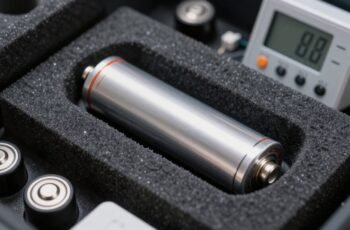
Consider a scenario where a portable power station was stored improperly during a winter storm, resulting in reduced battery capacity and potential damage. Proper storage is crucial to prevent such issues, as temperature fluctuations, humidity, and improper charging can compromise device longevity. We’ll explore precise methods to guarantee your power station remains functional and safe over time, highlighting key practices that are often overlooked but critical for peak performance. Understanding these details can save you time and expense in the long run.
Key Takeaways
- Fully charge the power station to 50-70% before storing to prevent battery damage from overcharging or depletion.
- Store in a cool, dry environment with stable temperatures between 40°F and 77°F (4°C – 25°C).
- Keep the device on a stable, elevated surface away from heat sources, direct sunlight, and moisture.
- Use protective covers and shock-absorbing padding to safeguard against impacts and environmental hazards.
- Regularly check the device’s charge and condition, and perform quarterly inspections to maintain optimal performance.
How to Prepare Your Power Station for Long-Term Storage
To guarantee peak performance and longevity, preparing your portable power station for long-term storage requires careful attention to its internal and external conditions. First, fully charge the unit to approximately 60-80%, as overcharging or complete depletion can damage the battery’s chemistry. Next, power down the device completely, disconnect all cables, and remove any attached accessories to prevent corrosion and mechanical stress. Internal components should be cleaned with a soft, dry cloth to eliminate dust and debris, avoiding moisture contact. Store the power station in a cool, dry environment with stable temperature and low humidity, minimizing the risk of thermal or moisture damage. Additionally, periodically check the device during storage to maintain the battery remains within ideal charge levels, preventing capacity loss over time.
Choosing the Right Storage Location for Your Power Station
Selecting a suitable storage location is essential to preserve your power station’s performance and durability. We recommend choosing a cool, dry environment with stable temperatures between 40°F and 77°F (4°C and 25°C). Avoid areas subject to direct sunlight, high humidity, or temperature fluctuations, as these conditions can accelerate battery degradation and compromise internal components. Elevate the station off the ground to prevent moisture accumulation and potential corrosion. Confirm the location is well-ventilated to prevent heat buildup during storage periods. Additionally, minimize exposure to dust, dirt, and chemicals that could infiltrate vents or connectors. By selecting a controlled environment with these parameters, you optimize the longevity and operational reliability of your power station during long-term storage.
How to Properly Charge and Discharge Before Storing
Before storing your portable power station, it’s essential to properly charge and discharge the battery to maximize its lifespan. First, charge the unit to approximately 50-70% capacity, which minimizes stress on the battery chemistry. Avoid fully charging or fully discharging, as these extremes can accelerate capacity loss. Next, perform a controlled discharge by using the power station until it reaches around 20-30% charge, then recharge to the recommended storage level. This process ensures the battery remains active and prevents it from entering a deep discharge state, which can cause irreversible damage. Additionally, verify that the power station is turned off and disconnected from any power source. Properly managing charge levels before storage preserves battery integrity and promotes ideal function upon future use.
Maintaining Battery Health During Storage Periods
Maintaining battery health during storage periods requires careful attention to environmental conditions and periodic monitoring. To optimize longevity, store the power station in a cool, dry environment with stable humidity levels. Regularly check the state of charge, aiming for around 40-60%, to prevent capacity loss from over-discharging or overcharging. Use the following table as a reference:
| Storage Condition | Recommended Action | Monitoring Frequency |
|---|---|---|
| Temperature below 25°C | Keep in a cool place | Monthly |
| Humidity above 50% | Use desiccants or sealed containers | Quarterly |
| Power level | Maintain 40-60% charge | Monthly |
Adhering to these practices minimizes degradation, preserves capacity, and extends the overall lifespan of the battery.
How to Protect Your Power Station From Temperature Extremes
To safeguard your power station from temperature extremes, maintaining an ideal temperature range is crucial. Storing it in a climate-controlled environment minimizes thermal stress, while insulating materials can help prevent rapid temperature fluctuations. These measures guarantee maximum lifespan and reliable performance during storage.
Maintain Optimal Temperature Range
Extreme temperatures can considerably impair the performance and lifespan of your portable power station. To maintain best function, it’s essential to keep the device within recommended temperature ranges—typically 0°C to 40°C. Exposure to high heat accelerates battery degradation, while cold slows chemical reactions, reducing capacity. Use insulation or thermal wraps in extreme weather, and avoid direct sunlight or freezing conditions. Monitoring ambient temperature with a thermometer helps maintain proper storage conditions.
| Temperature Range | Action |
|---|---|
| 0°C to 40°C | Ideal storage; avoid extreme fluctuations |
| Below 0°C | Use insulation, limit exposure |
| Above 40°C | Cool environment, ventilate storage space |
| Fluctuating Temps | Maintain steady conditions for longevity |
Store in Climate-Controlled Area
Placing your portable power station in a climate-controlled area is essential for protecting it from temperature extremes that can degrade its components. Excessive heat accelerates chemical reactions within the batteries, leading to capacity loss and potential failure. Conversely, low temperatures can cause electrolyte viscosity increases, reducing charging efficiency and risking internal damage. Maintaining a stable environment helps preserve battery chemistry and prevents thermal stress on internal circuitry. Ideally, store the power station in a location with consistent temperatures between 50°F and 77°F (10°C to 25°C). Avoid areas exposed to direct sunlight, unregulated garages, or outdoor environments prone to rapid temperature fluctuations. Proper climate regulation minimizes thermal cycling, extends device lifespan, and ensures reliable operation when needed.
Use Insulating Materials
Using insulating materials is an effective way to shield your portable power station from temperature fluctuations that can damage its internal components. Proper insulation minimizes exposure to extreme heat or cold, ensuring ideal performance and longevity. Materials such as foam, thermal blankets, or specialized insulating wraps can be applied around the device. When selecting insulation, consider thermal conductivity, durability, and ease of application. It’s essential to balance insulation thickness with ventilation to prevent overheating. The table below highlights common insulating options and their properties:
| Material | Thermal Conductivity | Durability |
|---|---|---|
| Foam Padding | Low | Moderate |
| Thermal Blankets | Very Low | High |
| Insulating Wraps | Low | Varies |
Proper use of these materials can considerably reduce temperature-related risks.
The Importance of Keeping Your Power Station Dry and Clean
Maintaining the dryness and cleanliness of your portable power station is vital for guaranteeing ideal performance and longevity. Moisture exposure can cause corrosion of internal components, while dirt and debris may obstruct vents and cooling systems. To prevent these issues, follow these steps:
Keep your portable power station dry and clean to ensure optimal performance and long-lasting durability.
- Store the power station in a dry, temperature-controlled environment far from humidity sources.
- Regularly wipe the exterior with a lint-free cloth to remove dust and contaminants.
- Confirm vents and cooling ports are free of debris to maintain excellent airflow.
- Inspect connectors and ports for corrosion or dirt, cleaning them with appropriate electronic contact cleaners if necessary.
These measures protect the internal circuitry, minimize maintenance needs, and extend the device’s operational life. Proper storage practices are indispensable for preserving device integrity and performance.
How to Use Protective Accessories for Storage Safety
Using proper protective coverings and maintaining a secure storage environment are essential steps in ensuring safety and longevity. These accessories shield the power station from physical damage and environmental hazards. Implementing these measures helps prevent potential malfunctions and safety risks during storage.
Proper Protective Coverings
Have you considered how protective coverings can prevent damage and extend the lifespan of your portable power station during storage? Proper coverings shield against dust, moisture, and physical impacts that could compromise internal components. To maximize protection, consider these steps:
- Use a high-quality, insulating fabric cover to prevent dust accumulation.
- Guarantee the cover is breathable to avoid condensation buildup.
- Select a cover with a snug fit to prevent shifting during handling.
- Incorporate a protective layer with padding for impact absorption during accidental drops.
These coverings serve as barriers against environmental contaminants and mechanical stress. Proper selection and application of protective accessories are critical in maintaining ideal functionality and extending your power station’s operational lifespan.
Secure Storage Environment
Ever wondered how to guarantee your portable power station remains safe during storage? Ensuring a secure environment minimizes risks like damage, corrosion, or accidental discharge. Use protective accessories such as fireproof enclosures, moisture-resistant covers, and shock-absorbing padding. These accessories form a barrier against environmental hazards and physical impacts, maintaining device integrity over time. Proper placement is vital; store the power station on a stable, elevated surface away from heat sources and direct sunlight. Regular inspections help identify early signs of wear or deterioration.
| Benefit | Key Accessory |
|---|---|
| Prevents moisture damage | Moisture-resistant covers |
| Shields from impact | Shock-absorbing padding |
| Reduces fire risk | Fireproof enclosures |
Signs Your Power Station Needs Maintenance Before Use
Before deploying your portable power station, it’s essential to identify signs that indicate it requires maintenance. First, observe any abnormal battery behavior, such as rapid voltage drops or failure to hold a charge, which signals potential cell degradation. Second, listen for unusual noises during operation, like buzzing or clicking, suggesting internal component issues. Third, check for physical damage, including swelling, corrosion, or loose connections, that could compromise safety or performance. Fourth, verify that indicator lights or display panels show error codes or warning signals, indicating system malfunctions. Addressing these signs before use prevents equipment failure and guarantees safe, reliable operation. Regular inspection based on these indicators maintains the power station’s efficiency and longevity.
Tips for Safe and Easy Power Station Retrieval When Needed
When retrieving your portable power station, prioritizing safety and ease of access minimizes potential hazards and guarantees reliable operation. Always wear protective gloves and eye protection to prevent injury from accidental sparks or electrical contact. Make certain the device is placed on a stable, non-slip surface to avoid falls or damage. Verify that the power station is fully charged or appropriately stored according to manufacturer instructions before use. Use clearly labeled handles or designated retrieval points to minimize strain and prevent damage. Keep the surrounding area clear of obstacles to facilitate quick access. Before powering on, inspect for signs of damage or corrosion. Following these steps ensures safe, efficient retrieval, reduces risk of accidents, and maintains the device’s longevity.
Frequently Asked Questions
How Long Can a Portable Power Station Be Stored Without Use?
We find that a portable power station can be stored for six to twelve months without use if it’s kept in a cool, dry environment, with a partially charged battery, and checked periodically to prevent capacity loss or damage.
Can I Store Multiple Power Stations Together Safely?
Yes, you can store multiple power stations together safely if they’re well-ventilated and at proper temperatures. For example, in a warehouse, arranging them on racks prevents overheating, ensuring safety and longevity. Proper spacing is essential.
What Are Common Signs of Battery Degradation During Storage?
We observe signs like reduced capacity, slower charging times, increased internal resistance, and unexpected shutdowns, indicating battery degradation during storage. Regularly monitoring voltage levels and avoiding extreme temperatures helps detect and prevent further deterioration effectively.
Is It Necessary to Disconnect the Power Station From Accessories During Storage?
It’s crucial to disconnect accessories from the power station during storage, as leaving them connected can cause parasitic drain, akin to a leaky faucet, reducing battery life and risking damage. Always unplug for ideal preservation.
How Often Should I Check on My Stored Power Station?
We recommend checking your stored power station monthly to monitor battery health, guarantee proper charge levels, and inspect for corrosion or damage. Regular maintenance helps optimize performance and extends the lifespan of your device.
Conclusion
By following these storage guidelines, we guarantee our power stations remain reliable, durable, and ready when needed. Proper preparation, strategic placement, careful charging, and consistent maintenance form a safeguard against damage, degradation, and performance loss. When we store our devices thoughtfully—keeping them cool, dry, and protected—we create a secure environment that preserves their integrity and efficiency. In doing so, we safeguard our investment, extend device lifespan, and ensure seamless power availability whenever it’s essential.